Are you wondering if you can upgrade your Can Am Defender steering wheel? Yes, you absolutely can! This guide provides a comprehensive overview of Can Am Defender steering wheels, helping you navigate the world of aftermarket options, replacements, and upgrades. We’ll explore everything from choosing the right UTV steering wheel to installing a quick release steering wheel. Let’s dive in!
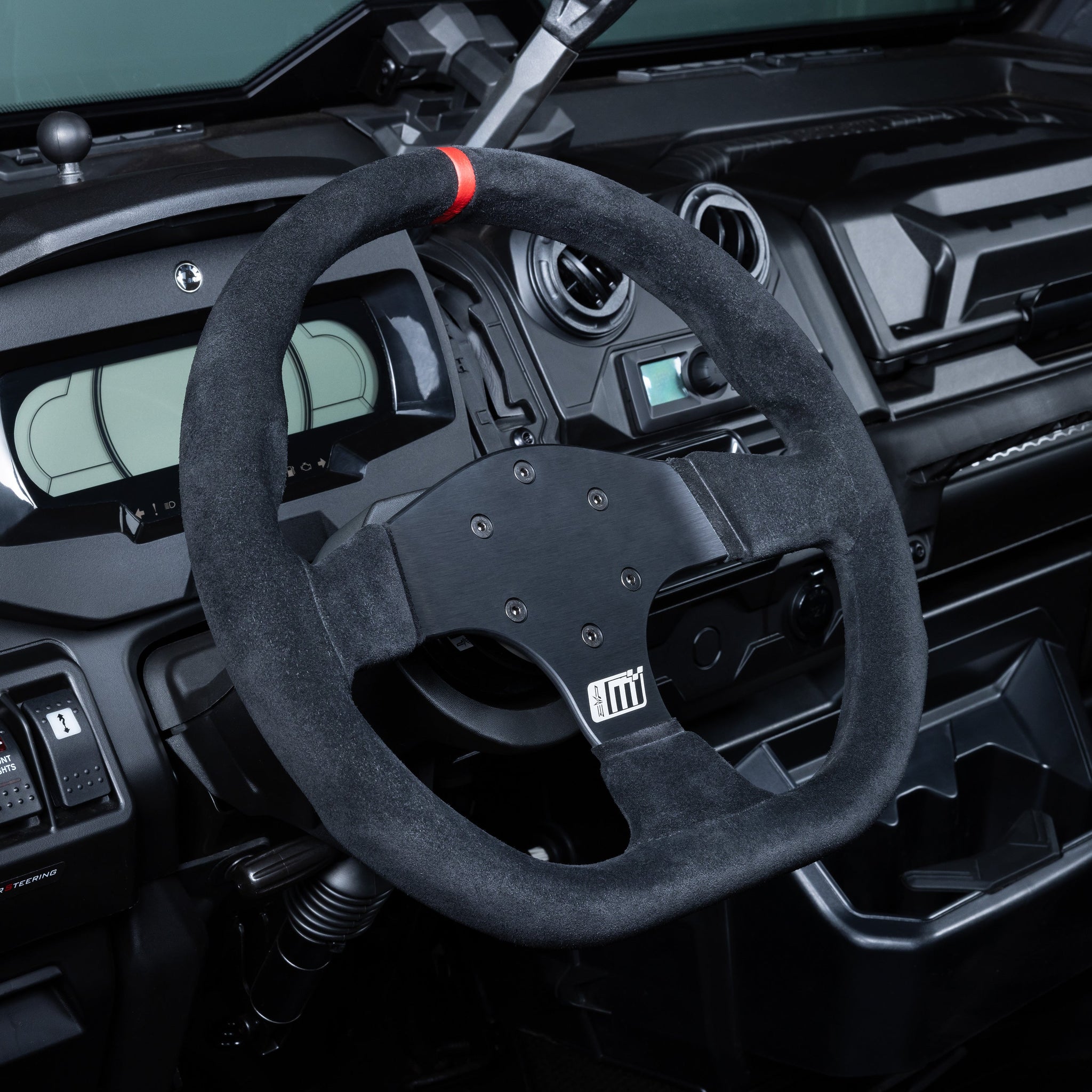
Image Source: evopowersports.com
Why Upgrade Your Can Am Defender Steering Wheel?
Upgrading your Can Am Defender steering wheel might seem like a minor change, but it can significantly enhance your driving experience. Here are several reasons why you should consider a steering wheel upgrade:
- Improved Comfort: A more ergonomic and comfortable steering wheel can reduce fatigue, especially during long rides.
- Enhanced Grip: Aftermarket steering wheels often feature materials and designs that offer superior grip, providing better control in challenging conditions.
- Customization: A new steering wheel can personalize your Can Am Defender and reflect your style.
- Increased Control: Smaller diameter wheels can offer quicker steering response, while thicker grips can provide better control.
- Added Functionality: Some aftermarket options include features like integrated horn buttons or quick release mechanisms.
Types of Can Am Defender Steering Wheels
Choosing the right UTV steering wheel involves considering different styles, materials, and features. Here’s a breakdown of the most common types:
1. Standard Replacement Steering Wheels
These are direct replacements for your original Can Am Defender steering wheel. They are typically made from similar materials and offer a familiar feel. They are a good choice if your original wheel is damaged or worn out.
2. Aftermarket Steering Wheels
These wheels offer a wide range of designs, materials, and features. They are designed to improve comfort, grip, and style.
- Material: Options include aluminum, steel, polyurethane, leather, and suede. Each material offers a different feel and level of durability.
- Diameter: Smaller diameter wheels offer quicker steering response, while larger wheels provide more leverage.
- Grip Thickness: Thicker grips can provide better control, especially when wearing gloves.
- Dish: The dish refers to how deep the wheel is. Deeper dishes bring the wheel closer to the driver.
3. Quick Release Steering Wheels
A quick release steering wheel allows you to quickly detach the steering wheel from the steering column. This offers several advantages:
- Anti-Theft: Removing the steering wheel deters theft.
- Easier Entry/Exit: Removing the steering wheel can create more space for getting in and out of the vehicle.
- Race Applications: In racing, quick release mechanisms allow for faster driver changes.
4. Off-Road Steering Wheels
These wheels are designed to withstand the rigors of off-road driving. They often feature durable materials, enhanced grip, and ergonomic designs.
Materials Matter: Choosing the Right Material for Your UTV Steering Wheel
The material of your Can Am Defender steering wheel affects its feel, durability, and overall performance. Here’s a look at the most common materials:
- Aluminum: Lightweight and durable, aluminum steering wheels are popular for their performance and style.
- Steel: Strong and durable, steel wheels are a good choice for heavy-duty applications.
- Polyurethane: A synthetic rubber that provides a comfortable grip and good durability.
- Leather: Offers a luxurious feel and excellent grip, but requires more maintenance.
- Suede: Provides a soft, comfortable grip, but is more susceptible to wear and tear.
| Material | Advantages | Disadvantages |
|---|---|---|
| Aluminum | Lightweight, durable, stylish | Can be cold to the touch in cold weather |
| Steel | Strong, durable, cost-effective | Heavier than aluminum |
| Polyurethane | Comfortable grip, durable, easy to clean | Can feel less premium than leather or suede |
| Leather | Luxurious feel, excellent grip | Requires more maintenance, can be damaged by moisture and sunlight |
| Suede | Soft, comfortable grip | More susceptible to wear and tear, requires frequent cleaning and maintenance |
Selecting the Perfect Steering Wheel Diameter and Dish
The diameter and dish of your Can Am Defender steering wheel affect its handling and comfort. Here’s what to consider:
- Diameter:
- Smaller Diameter (11-13 inches): Offers quicker steering response, ideal for tight trails and technical driving.
- Larger Diameter (14-15 inches): Provides more leverage and easier steering, suitable for open terrain and high-speed driving.
- Dish:
- Shallow Dish (0-2 inches): Places the steering wheel closer to the steering column, offering a more direct feel.
- Deep Dish (2-4 inches): Brings the steering wheel closer to the driver, improving comfort and control, especially when using racing seats.
Installing Your New Can Am Defender Steering Wheel: A Step-by-Step Guide
Steering wheel replacement can be a DIY project if you have the right tools and follow the proper steps. Here’s a general guide:
Tools You’ll Need:
- Socket set
- Wrench set
- Steering wheel puller (may be required)
- Screwdrivers
- Steering wheel adapter (if required)
- Torque wrench
Steps:
- Disconnect the Battery: Always disconnect the negative terminal of the battery before working on any electrical components.
- Remove the Horn Button or Center Cap: Carefully remove the horn button or center cap to access the steering wheel retaining nut.
- Loosen the Retaining Nut: Use a socket to loosen the retaining nut, but don’t remove it completely. This will prevent the steering wheel from flying off when you pull it.
- Use a Steering Wheel Puller (If Necessary): If the steering wheel is stuck, use a steering wheel puller to gently remove it. Follow the instructions that come with the puller.
- Remove the Retaining Nut and Steering Wheel: Once the steering wheel is loose, remove the retaining nut completely and carefully pull the steering wheel off the steering column.
- Install the Steering Wheel Adapter (If Required): If your new steering wheel requires an adapter, install it according to the manufacturer’s instructions.
- Connect Wiring (If Applicable): If your new steering wheel has a horn button or other electrical features, connect the wiring according to the instructions.
- Install the New Steering Wheel: Align the new steering wheel with the steering column and slide it into place.
- Install the Retaining Nut: Secure the steering wheel with the retaining nut and torque it to the manufacturer’s specifications.
- Reinstall the Horn Button or Center Cap: Reinstall the horn button or center cap.
- Reconnect the Battery: Reconnect the negative terminal of the battery.
- Test the Horn and Steering: Test the horn and ensure the steering wheel is properly aligned.
Important Considerations:
- Steering Wheel Adapter: Make sure you purchase the correct steering wheel adapter for your Can Am Defender model and the new steering wheel you are installing.
- Torque Specifications: Always torque the retaining nut to the manufacturer’s specifications to ensure the steering wheel is properly secured.
- Wiring: If you are connecting any electrical components, double-check the wiring diagram to ensure everything is connected correctly.
Power Steering: Is It Worth the Investment?
Power steering can significantly improve the handling and maneuverability of your Can Am Defender, especially on rough terrain. Here are the benefits:
- Reduced Steering Effort: Power steering reduces the amount of effort required to turn the steering wheel, making it easier to maneuver the vehicle.
- Improved Handling: Power steering provides more precise and responsive steering, improving handling and control.
- Reduced Fatigue: By reducing steering effort, power steering can reduce fatigue, especially during long rides.
- Enhanced Maneuverability: Power steering makes it easier to maneuver the vehicle in tight spaces and on challenging terrain.
If your Can Am Defender doesn’t have power steering, consider adding an aftermarket system. Several kits are available that are specifically designed for the Can Am Defender.
Top Brands for Can Am Defender Steering Wheels
Choosing a reputable brand ensures you’re getting a quality product that will last. Here are some of the top brands for Can Am Defender steering wheels:
- Assault Industries: Known for their high-quality, stylish steering wheels and accessories.
- Momo: A well-known brand in the automotive industry, offering a wide range of steering wheels and accessories.
- NRG Innovations: Offers a variety of quick release steering wheels and accessories.
- DragonFire Racing: Specializes in off-road performance parts and accessories, including steering wheels.
- SuperATV: Provides a range of UTV parts and accessories, including steering wheels and power steering kits.
Can Am Defender Accessories to Complement Your Steering Wheel Upgrade
Enhance your driving experience further with these Can Am Defender accessories:
- Steering Wheel Adapters: Necessary for mounting aftermarket steering wheels.
- Horn Buttons: Add functionality and style to your steering wheel.
- Quick Release Kits: Provide anti-theft security and easier entry/exit.
- Power Steering Kits: Significantly improve handling and reduce steering effort.
- Racing Seats: Provide better support and comfort during off-road driving.
- Seat Belts/Harnesses: Enhance safety and security.
Fathoming Steering Wheel Adapters
When swapping your Can Am Defender’s steering wheel for a custom one, don’t overlook the indispensable steering wheel adapter; it’s the vital link that perfectly connects your steering column to your new wheel, guaranteeing a rock-solid and fully operational setup.
- Purpose: Adapters allow aftermarket steering wheels with different bolt patterns to fit your Can Am Defender’s steering column.
- Compatibility: Ensure the adapter is specifically designed for your Can Am Defender model and the aftermarket steering wheel you intend to use.
- Material: Look for adapters made from durable materials like billet aluminum for strength and longevity.
- Installation: Follow the manufacturer’s instructions carefully for proper installation. Incorrect installation can lead to steering issues and safety hazards.
Troubleshooting Common Steering Wheel Issues
Even with a high-quality steering wheel, you might encounter some issues. Here are some common problems and how to address them:
- Steering Wheel Wobble:
- Cause: Loose retaining nut, damaged steering column, or unbalanced tires.
- Solution: Tighten the retaining nut to the manufacturer’s specifications. Inspect the steering column for damage. Check and balance the tires.
- Steering Wheel Play:
- Cause: Worn steering components, loose steering linkage, or faulty power steering system.
- Solution: Inspect the steering components for wear and replace as needed. Tighten the steering linkage. Check the power steering fluid level and system for leaks.
- Steering Wheel is Hard to Turn:
- Cause: Low power steering fluid, faulty power steering pump, or damaged steering components.
- Solution: Check the power steering fluid level and add fluid if necessary. Inspect the power steering pump and replace if faulty. Inspect the steering components for damage.
- Horn Not Working:
- Cause: Loose wiring connection, faulty horn button, or blown fuse.
- Solution: Check the wiring connections to the horn button and horn. Replace the horn button if faulty. Check and replace the horn fuse.
Maintaining Your Can Am Defender Steering Wheel
Proper maintenance will keep your steering wheel in good condition and extend its lifespan. Here are some tips:
- Clean Regularly: Clean your steering wheel regularly with a mild soap and water solution. Avoid harsh chemicals that can damage the material.
- Protect from Sunlight: Park your Can Am Defender in the shade or use a steering wheel cover to protect it from prolonged exposure to sunlight, which can cause fading and cracking.
- Inspect Regularly: Inspect your steering wheel regularly for signs of wear and tear. Replace it if you notice any damage or excessive wear.
- Tighten Connections: Periodically check and tighten the retaining nut and any other connections to ensure the steering wheel is properly secured.
FAQ: Can Am Defender Steering Wheel
- What is the best material for a Can Am Defender steering wheel? The best material depends on your preferences and needs. Leather offers a luxurious feel, while polyurethane is durable and easy to clean. Aluminum is lightweight and stylish, and steel is strong and cost-effective.
- Can I install a quick release steering wheel on my Can Am Defender? Yes, you can install a quick release steering wheel. You’ll need a compatible quick release kit and a steering wheel adapter.
- Is power steering worth it on a Can Am Defender? Power steering is highly recommended, especially if you frequently drive on rough terrain. It reduces steering effort and improves handling.
- What size steering wheel is best for my Can Am Defender? A smaller diameter steering wheel (11-13 inches) offers quicker steering response, while a larger diameter steering wheel (14-15 inches) provides more leverage.
- Who makes the best aftermarket steering wheels for Can Am Defenders? Several reputable brands offer high-quality steering wheels, including Assault Industries, Momo, NRG Innovations, DragonFire Racing, and SuperATV.
By taking the time to research and choose the right Can Am Defender steering wheel, you can significantly enhance your driving experience and personalize your ride. Happy trails!

Hi, I’m Sean Kernan, the voice behind esteeringwheel.com.. With a passion for all things automotive, I created this platform to share my journey, insights, and expertise about cars. From the latest tech to timeless driving tips, my goal is to help fellow enthusiasts and everyday drivers navigate the fascinating world of automobiles. Welcome to my corner of the road—let’s steer toward knowledge and discovery together!