The short answer is yes, you can check power steering fluid when the engine is hot, but you need to be extra careful. While it’s generally best to check fluids when the engine is cool, it’s not always practical. Knowing the risks and taking the right precautions will help you avoid injury.
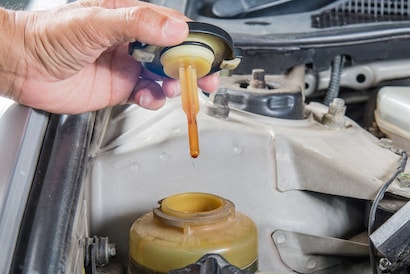
Image Source: pictures.dealer.com
Why Engine Temperature Matters When Checking Fluids
Engine temperature plays a crucial role in fluid volume and pressure. When an engine is hot, various fluids within the vehicle, including power steering fluid, expand. This expansion can affect fluid level readings and even pose risks if you’re not careful.
Power Steering Fluid Expansion Hot
When power steering fluid hot engine, the fluid expands. This is a natural physical process. Heat causes the molecules in the fluid to move faster and spread out, increasing the overall volume.
Engine Temperature and Power Steering Fluid
The engine temperature and power steering fluid are closely related. As the engine heats up, it radiates heat to surrounding components, including the power steering system. The amount of heat transferred depends on several factors, such as:
- Ambient temperature
- Engine load
- Duration of operation
Hot Power Steering Reservoir
A hot power steering reservoir is a direct consequence of a hot engine. The reservoir, typically made of plastic, houses the power steering fluid. When the fluid heats up, the reservoir can become hot to the touch.
Risks of Checking Power Steering Fluid Hot
While checking power steering fluid hot is possible, it comes with several potential risks:
- Burns: The most immediate risk is burning yourself on hot engine components, including the reservoir, cap, or nearby hoses.
- Inaccurate Readings: Power steering fluid level hot will be higher than when the engine is cold due to expansion. This can lead to overfilling if you add fluid based on a hot reading.
- Fluid Spillage: A pressurized system combined with an overfilled reservoir due to fluid expansion can lead to spillage. Hot power steering fluid can damage paint and other engine components.
- Cap Damage: Some power steering reservoir caps are plastic and can become brittle or damaged from prolonged exposure to high heat. Removing a hot, brittle cap can cause it to break, leading to injury or further damage to the system.
Safe Practices for Checking Power Steering Fluid When Engine Is Hot
If you must check your power steering fluid check after driving, follow these safety guidelines:
- Wait a Few Minutes: Allow the engine to cool down for at least 15-30 minutes after driving. This will reduce the risk of burns and allow the fluid to contract slightly.
- Wear Protective Gear: Use gloves to protect your hands from heat and potential spills. Eye protection is also recommended.
- Use Tools: Employ tools like pliers or a wrench to carefully remove the reservoir cap. This will help keep your hands away from hot surfaces.
- Check the Dipstick (If Applicable): Some power steering reservoirs have a dipstick attached to the cap. If yours does, wipe it clean, reinsert it, and then check the fluid level against the “hot” or “cold” markings.
- Read the Reservoir Markings: If there’s no dipstick, the reservoir usually has “min” and “max” markings. Check the fluid level against these markings. Note that a power steering fluid reading hot should ideally be closer to the “max” line than when the engine is cold.
- Add Fluid Carefully (If Needed): If you need to add fluid, do so gradually. Avoid overfilling. Remember that the fluid will contract as it cools.
- Clean Up Spills Immediately: If any fluid spills, clean it up immediately with a clean cloth. Power steering fluid can damage paint and rubber components.
Deciphering Power Steering Fluid Levels
Interpreting power steering fluid levels is crucial for maintaining your vehicle’s health. Whether you’re checking checking power steering hot or cold, aim for consistency.
Reading with a Dipstick
- Locate the Dipstick: Usually attached to the reservoir cap.
- Wipe Clean: Remove the dipstick and wipe it clean with a lint-free cloth.
- Reinsert Fully: Reinsert the dipstick all the way.
- Check Level: Remove it again and note the fluid level in relation to the “min” and “max” markings or the “cold” and “hot” ranges.
Reading Without a Dipstick
- Observe Reservoir Markings: Look for “min” and “max” lines on the side of the reservoir.
- Check Fluid Level: The fluid should be between these lines. It’s often difficult to see. Use a flashlight.
Low Fluid Level Implications
If the power steering fluid level is consistently low, it indicates a potential leak in the system. Common leak locations include:
- Power steering pump
- Hoses
- Steering gear
Ignoring low fluid levels can lead to:
- Difficulty steering
- Noisy power steering pump
- Pump failure
Overfilled Fluid Level Implications
Overfilling the power steering fluid can also cause problems:
- Fluid leakage
- Damage to the power steering pump
- Foaming of the fluid, reducing its effectiveness
Factors Influencing Power Steering Fluid Levels
Several factors can affect the reading on your power steering fluid level.
Ambient Temperature
- Hot Weather: Expect fluid expansion and higher readings.
- Cold Weather: Expect fluid contraction and lower readings.
Vehicle Load
- Heavy Load: More stress on the power steering system can lead to higher fluid temperatures and expansion.
- Light Load: Less stress means lower temperatures and less expansion.
Duration of Operation
- Long Drives: Extended use increases fluid temperature.
- Short Trips: Less time for the fluid to heat up.
Is It Safe to Check Power Steering Fluid Hot: A Final Verdict
Is it safe to check power steering fluid hot? Yes, but with caution. By waiting a short period for cool down, wearing protection, and being mindful of the potential for inaccurate readings due to fluid expansion, you can minimize the risks involved. Regularly monitoring your power steering fluid, whether hot or cold, is essential for maintaining optimal vehicle performance. If you’re ever unsure, consult a qualified mechanic.
Fathoming Common Power Steering Issues
Beyond checking fluid levels, it’s helpful to recognize common problems that could indicate power steering system issues.
Noisy Power Steering Pump
- Whining or Groaning Sounds: Often indicates low fluid or air in the system.
- Possible Causes: Leaks, failing pump, contaminated fluid.
Difficulty Steering
- Hard to Turn the Wheel: Could be due to low fluid, a failing pump, or issues with the steering gear.
- Intermittent Stiffness: May indicate a partially blocked hose or internal pump problems.
Leaks
- Visible Fluid Under the Car: Look for reddish-brown fluid near the front of the vehicle.
- Wetness Around Components: Inspect the pump, hoses, and steering gear for leaks.
Foaming Fluid
- Air Bubbles in the Reservoir: Indicates air is entering the system.
- Possible Causes: Low fluid, loose hose connections, or a failing pump seal.
Alternative Solutions to Checking Fluid When Hot
If you are really concerned about hot engine power steering check, and want to avoid checking when hot, here are some alternatives:
- Check First Thing in the Morning: Before starting the engine, all fluids will be at ambient temperature.
- Check After Vehicle Has Been Sitting: After several hours of non-use, the engine will have sufficiently cooled down.
FAQ
Q: What kind of power steering fluid should I use?
A: Refer to your vehicle’s owner’s manual for the correct type of power steering fluid. Using the wrong fluid can damage your power steering system.
Q: How often should I check my power steering fluid?
A: Check your power steering fluid at least once a month or as part of your regular maintenance schedule.
Q: Can I add power steering fluid myself?
A: Yes, if you know the correct type of fluid and follow the instructions in your owner’s manual. Be careful not to overfill.
Q: What happens if I overfill the power steering reservoir?
A: Overfilling can cause fluid to leak out, potentially damaging other engine components. It can also cause foaming and reduced performance.
Q: What does it mean if my power steering fluid is dark or dirty?
A: Dark or dirty fluid indicates contamination. It’s best to have the system flushed and refilled with fresh fluid.
Q: Can I drive with low power steering fluid?
A: Driving with low power steering fluid can damage your power steering pump and make steering difficult. It’s best to address the issue as soon as possible.
Q: How can I tell if I have a power steering leak?
A: Look for reddish-brown fluid under your car near the front, or inspect the power steering pump, hoses, and steering gear for wetness.
Q: Is it normal for power steering fluid to expand when hot?
A: Yes, it’s normal for power steering fluid to expand when heated. This is why it’s important to be careful when checking the fluid level when the engine is hot.
Q: What are the symptoms of a bad power steering pump?
A: Symptoms include a noisy pump, difficulty steering, and fluid leaks.
Q: Can I use automatic transmission fluid as power steering fluid?
While some vintage cars might have used automatic transmission fluid for their power steering, modern automobiles are a different story. In today’s vehicles, topping off your power steering with ATF is a recipe for disaster, potentially wreaking havoc on seals and vital components. Always consult your owner’s manual to ensure you’re using the precise fluid your car demands.

Hi, I’m Sean Kernan, the voice behind esteeringwheel.com.. With a passion for all things automotive, I created this platform to share my journey, insights, and expertise about cars. From the latest tech to timeless driving tips, my goal is to help fellow enthusiasts and everyday drivers navigate the fascinating world of automobiles. Welcome to my corner of the road—let’s steer toward knowledge and discovery together!