Can I use ATF for power steering fluid? Sometimes, yes, but it’s not always recommended and depends heavily on your vehicle’s make and model. While some manufacturers specify ATF for power steering systems, others require specialized fluids. Using the wrong fluid can lead to damage. This guide will help you determine if ATF is a suitable power steering fluid alternative for your vehicle and highlight the potential risks involved.
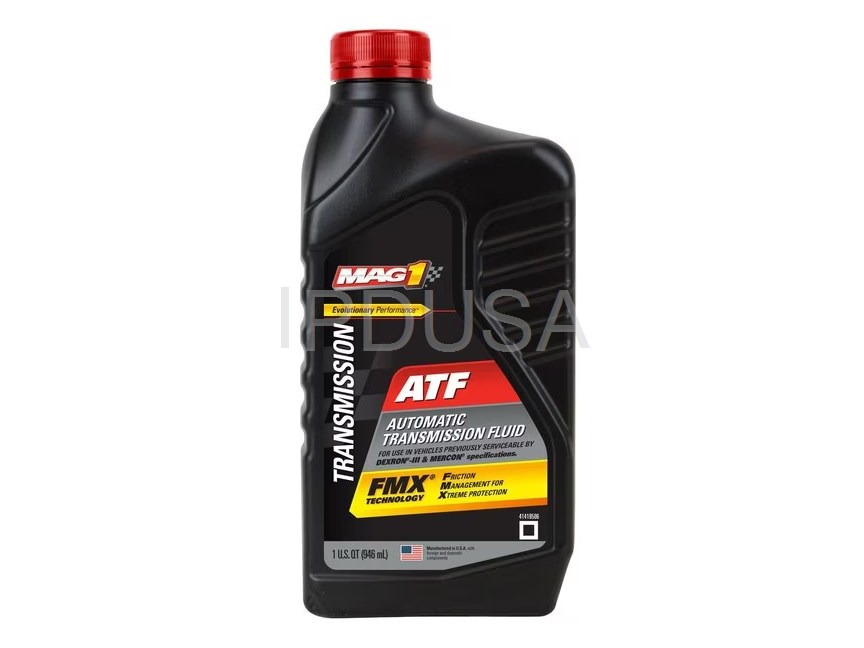
Image Source: www.ipdusa.com
Fathoming Power Steering Fluid and ATF
Before considering ATF as a power steering alternative, it’s vital to know what each fluid does and how they differ. Power steering fluid (PSF) is a hydraulic fluid designed to transmit power in your car’s power steering system, making it easier to turn the steering wheel. Automatic transmission fluid (ATF) is engineered for automatic transmissions, lubricating gears and clutches, and enabling smooth shifting.
Key Functions of Power Steering Fluid
- Hydraulic Power Transfer: PSF transmits hydraulic pressure from the power steering pump to the steering gear, reducing steering effort.
- Lubrication: It lubricates all moving parts within the power steering system, including the pump, steering gear, and hoses.
- Cooling: PSF helps dissipate heat generated within the power steering system.
- Corrosion Protection: It protects system components from rust and corrosion.
- Seal Conditioning: PSF helps keep the system’s seals pliable and prevents leaks.
Primary Roles of Automatic Transmission Fluid
- Lubrication: ATF lubricates the intricate components of an automatic transmission, like gears, bearings, and clutches.
- Hydraulic Fluid: It acts as a hydraulic fluid, transmitting power to shift gears automatically.
- Friction Modification: ATF contains friction modifiers that allow clutches to engage and disengage smoothly.
- Cooling: It dissipates heat generated within the transmission.
- Cleaning: ATF helps keep the transmission clean by suspending contaminants.
Decoding Power Steering Fluid vs. ATF Differences
While both fluids are hydraulic oils, significant differences exist between PSF and ATF:
| Feature | Power Steering Fluid (PSF) | Automatic Transmission Fluid (ATF) |
|---|---|---|
| Primary Function | Power steering system lubrication and hydraulic power | Automatic transmission lubrication, hydraulic power, and friction control |
| Friction Modifiers | Typically none or minimal | Contains specific friction modifiers for clutch performance |
| Viscosity | May vary depending on the vehicle manufacturer | Varies widely depending on the type of ATF (e.g., Dexron, Mercon, etc.) |
| Additives | Additives focused on seal compatibility and anti-wear | Additives focused on clutch performance, anti-shudder, and oxidation resistance |
| Color | Clear, amber, or red | Typically red, but can vary |
Exploring ATF Compatibility with Power Steering Systems
The central question is whether ATF is safe for power steering systems. The answer isn’t straightforward. Some car manufacturers specifically recommend or allow the use of ATF in their power steering systems. Others strictly require specialized power steering fluid.
When is Using Automatic Transmission Fluid in Power Steering Acceptable?
- Manufacturer Recommendation: The most crucial factor is your vehicle’s owner’s manual. If the manual explicitly states that ATF is acceptable or recommended for the power steering system, then it is generally safe to use.
- Specific Vehicle Makes: Certain older vehicle models and specific brands may be designed to use ATF as power steering fluid.
- Emergency Situations: In a pinch, if you’re stranded with a power steering fluid leak and cannot find the correct PSF, ATF might be used as a temporary solution to get you to a service station. However, it should be replaced with the correct fluid as soon as possible.
When Should You Avoid Using ATF?
- Manufacturer Prohibition: If your owner’s manual explicitly forbids the use of ATF in the power steering system, do not use it.
- Modern Vehicles: Many modern vehicles, especially those with electronic or electro-hydraulic power steering (EHPS) systems, require specific power steering fluids formulated for their advanced systems. Using ATF as a power steering alternative in these systems can cause damage.
- Unknown Fluid Type: If you’re unsure what type of fluid is currently in your power steering system, it’s best to flush the system completely and refill it with the fluid recommended by the manufacturer.
Examining ATF for Power Steering: Pros and Cons
Let’s weigh the ATF for power steering pros and cons to provide a balanced view.
Pros of Using ATF in Power Steering (When Approved)
- Availability: ATF is widely available at most auto parts stores and gas stations.
- Cost: ATF is often less expensive than specialized power steering fluid.
- Potential Cleaning Properties: Some argue that ATF’s detergents can help clean the power steering system. However, this can also dislodge debris and cause problems.
Cons of Using ATF in Power Steering (When Not Approved)
- Seal Damage: Can ATF damage power steering? Yes, if it’s not compatible. ATF may not be compatible with the seals used in your power steering system, leading to leaks and premature wear.
- Pump Failure: The different viscosity and friction modifiers in ATF can cause the power steering pump to work harder, potentially leading to premature failure.
- Steering Issues: Incorrect fluid can cause stiff steering, noise, or erratic steering behavior.
- Voiding Warranty: Using a non-approved fluid could void your vehicle’s warranty.
Deciphering the Consequences of Using ATF for Power Steering
Using the wrong fluid in your power steering system can have serious consequences.
- Leaks: Incompatible fluid can cause seals to swell, shrink, or degrade, leading to leaks.
- Noise: A whining or groaning noise from the power steering pump is a common symptom of using the wrong fluid.
- Hard Steering: The steering wheel may become difficult to turn, especially at low speeds.
- Pump Failure: The power steering pump may fail prematurely due to increased wear and tear.
- Steering Gear Damage: In severe cases, the steering gear itself can be damaged, requiring expensive repairs.
Is Mixing ATF and Power Steering Fluid Safe?
Mixing ATF and power steering fluid is generally not recommended, even if your vehicle technically can use ATF in its power steering system. Mixing different types of fluids can lead to unpredictable results, including:
- Reduced Performance: The mixed fluid may not provide adequate lubrication or hydraulic power.
- Sludge Formation: Some fluids may react with each other, forming sludge that can clog the system.
- Seal Damage: The mixture may damage seals and hoses.
It’s always best to completely flush the old fluid from the system before adding new fluid, even if you’re using the same type.
Evaluating Specific Vehicle Requirements
Always consult your vehicle’s owner’s manual or a trusted mechanic to determine the correct power steering fluid for your specific make and model. Some manufacturers have specific fluid requirements. Using the wrong fluid can lead to serious damage and costly repairs.
Honda/Acura
Honda and Acura vehicles typically require a specific power steering fluid. Using ATF is generally not recommended and can damage the system.
GM Vehicles
Some older GM vehicles specified Dexron ATF for their power steering systems. However, newer GM vehicles often require a specific power steering fluid. Always check your owner’s manual.
Ford Vehicles
Ford vehicles have used both ATF and specific power steering fluids over the years. Check your owner’s manual for the correct fluid specification.
European Vehicles (BMW, Mercedes-Benz, Audi, VW)
European vehicles often require specific power steering fluids that meet certain performance standards. Using ATF is generally not recommended unless explicitly stated in the owner’s manual.
Steps for Changing Power Steering Fluid
If you need to change your power steering fluid, here’s a general guide:
- Identify the Correct Fluid: Consult your owner’s manual to determine the correct power steering fluid for your vehicle.
- Gather Supplies: You’ll need the correct fluid, a turkey baster or fluid extractor, a container to catch the old fluid, and possibly some tools to remove hoses or clamps.
- Locate the Power Steering Reservoir: The reservoir is usually a plastic container with a cap marked with a steering wheel symbol.
- Remove Old Fluid: Use the turkey baster or fluid extractor to remove as much of the old fluid from the reservoir as possible.
- Add New Fluid: Fill the reservoir with the new fluid to the “MAX” line.
- Bleed the System: Start the engine and slowly turn the steering wheel from lock to lock several times. This will help bleed any air from the system.
- Check and Top Off: Check the fluid level again and add more fluid if necessary.
- Repeat: For a more thorough flush, repeat steps 4-7 several times until the fluid coming out of the reservoir is clean.
Important Safety Note: Always wear eye protection and gloves when working with automotive fluids. Dispose of used fluids properly according to local regulations.
Recognizing Signs of Power Steering Problems
Here are some common symptoms that indicate a problem with your power steering system:
- Hard Steering: Difficulty turning the steering wheel, especially at low speeds.
- Noise: Whining, groaning, or squealing noises when turning the steering wheel.
- Leaks: Visible leaks of fluid from the power steering pump, hoses, or steering gear.
- Erratic Steering: Jerky or uneven steering response.
- Vibrations: Vibrations in the steering wheel.
If you experience any of these symptoms, have your power steering system inspected by a qualified mechanic.
Frequently Asked Questions (FAQ)
- What happens if I use the wrong power steering fluid?
Using the wrong fluid can cause leaks, noise, hard steering, pump failure, and damage to the steering gear. - Can I mix different types of power steering fluid?
No, it’s generally not recommended to mix different types of power steering fluid. - How often should I change my power steering fluid?
Check your owner’s manual for the recommended service interval. Typically, it’s every 30,000 to 60,000 miles. - Is synthetic power steering fluid better?
Synthetic power steering fluid can offer improved performance and longer life compared to conventional fluid. However, always use a fluid that meets your vehicle manufacturer’s specifications. - What does low power steering fluid indicate?
Low power steering fluid can indicate a leak in the system. Check for visible leaks around the pump, hoses, and steering gear. - What is electro-hydraulic power steering (EHPS)?
EHPS uses an electric motor to power the hydraulic pump, providing power assist to the steering system. These systems often require specialized fluids.
Before diving in, remember this is a general overview. Your car’s owner’s manual and a trusted mechanic are your definitive guides for precise advice and service. Incorrectly using automatic transmission fluid in a power steering system not meant for it can lead to costly damage.

Hi, I’m Sean Kernan, the voice behind esteeringwheel.com.. With a passion for all things automotive, I created this platform to share my journey, insights, and expertise about cars. From the latest tech to timeless driving tips, my goal is to help fellow enthusiasts and everyday drivers navigate the fascinating world of automobiles. Welcome to my corner of the road—let’s steer toward knowledge and discovery together!