The short answer is generally no, you should not use manual transmission fluid in power steering systems. While both fluids lubricate and protect components, their specific formulations differ significantly and could lead to damage or decreased performance. This guide explores why and provides information on appropriate power steering fluid alternatives.
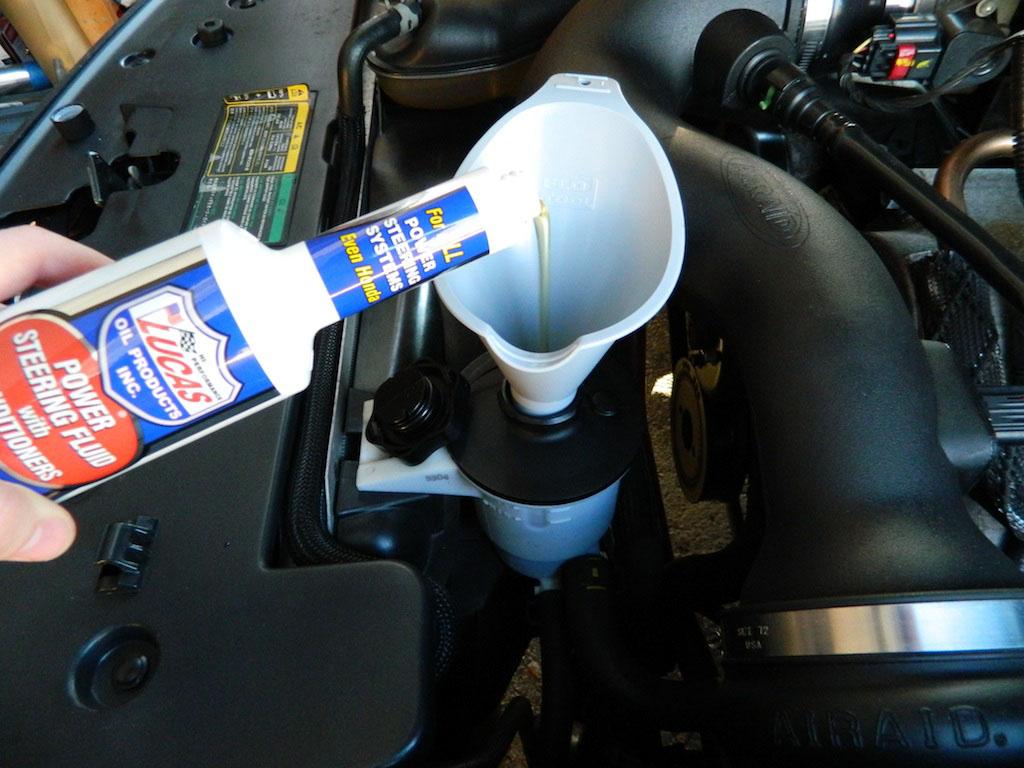
Image Source: carfromjapan.com
Why You Shouldn’t Use Manual Transmission Fluid In Power Steering
Using manual transmission fluid in power steering can cause problems. Both fluids are designed for different purposes and have different properties. The differences between manual transmission fluid and power steering fluid are crucial. Understanding these differences helps explain why manual transmission fluid in power steering is generally not a good idea.
Fathoming Fluid Composition
Power steering fluid is designed to provide specific lubrication, cooling, and pressure transfer within the power steering system. It often contains additives that help prevent foaming, corrosion, and wear. Manual transmission fluid (MTF) is formulated for the unique demands of a manual gearbox, which include gear lubrication and synchronizer performance.
- Viscosity: Power steering fluid viscosity is usually lower than MTF. Power steering systems need fluid that moves easily.
- Additives: Power steering fluid often includes additives for preventing rust, stopping foam, and reducing wear. MTF additives are for gears and synchronizers in manual transmissions.
- Friction Modifiers: MTF may contain friction modifiers designed to enhance the synchronizer operation in manual transmissions. These additives can interfere with the smooth operation of a power steering system.
Possible Consequences of Using Manual Transmission Fluid In Power Steering
Introducing the wrong fluid to your power steering system can trigger a cascade of issues. These issues range from decreased performance to component failure.
- Seal Damage: The seals in a power steering system are made for certain fluids. MTF can cause these seals to swell, shrink, or break down.
- Pump Damage: The power steering pump may not get enough lubrication from MTF. This can cause wear and early failure. Mtf for power steering pump is not the right choice for proper lubrication.
- Foaming: MTF can foam more in a power steering system than the fluid that is designed for it. Air in the system can make steering less responsive and cause noise.
- Reduced Performance: The wrong fluid can make the power steering system work less well. Steering can feel stiff or jerky.
When Might It Seem Okay? Exploring the Edge Cases
There are very specific and rare situations where using MTF in a power steering system might be considered, but these situations are usually temporary, and only if specifically recommended by the vehicle manufacturer.
- Emergency situations: If you have a power steering fluid leak and are stranded, using MTF as a temporary fix might get you home or to a repair shop. But, it’s best to drain and flush the system and replace it with the correct fluid as soon as possible.
- Specific vehicle recommendations: Some older vehicles, or vehicles with non-standard power steering systems, may specify MTF or automatic transmission fluid (ATF) as an acceptable fluid. Always consult your vehicle’s service manual first.
Even in these situations, remember that it is a temporary workaround. The long-term use of the wrong fluid can lead to costly repairs.
What Happens If I Already Used MTF In My Power Steering?
If you have already used MTF in your power steering system, don’t panic. Here’s what you should do:
- Stop Driving: Avoid driving the vehicle to minimize any further damage.
- Flush The System: Drain the power steering reservoir and lines completely.
- Refill With Correct Fluid: Refill the system with the power steering fluid specified in your vehicle’s manual.
- Monitor: Check the system for leaks or unusual noises. If problems arise, take your car to a mechanic.
Choosing the Right Power Steering Fluid
Selecting the correct power steering fluid is vital for the health and performance of your vehicle’s steering system.
Checking Your Vehicle’s Manual
The most important step is to check your vehicle’s owner’s manual. This document will specify the exact type of power steering fluid required for your vehicle. Using the fluid specified by the manufacturer ensures compatibility and optimal performance.
Types of Power Steering Fluid
There are several types of power steering fluid available, each designed for specific vehicle makes and models:
- Conventional Power Steering Fluid: This is the most common type and is suitable for many older vehicles.
- Synthetic Power Steering Fluid: Synthetic fluids offer better performance over a wider temperature range and are often recommended for newer vehicles or vehicles subjected to harsh conditions.
- ATF (Automatic Transmission Fluid): Some vehicles, especially older models, use ATF as power steering fluid. However, only use ATF if your vehicle’s manual specifically recommends it.
- Specific OEM Fluids: Some manufacturers require the use of their specific OEM (Original Equipment Manufacturer) power steering fluids to ensure compatibility and performance.
What Is A Good Power Steering Fluid Substitute?
While using the manufacturer-recommended fluid is always best, there might be situations where you need a power steering fluid substitute. In an emergency, if you absolutely cannot find the specified fluid, some people suggest using a universal power steering fluid designed to be compatible with a variety of systems. However, use these with caution and only as a temporary solution. Always replace with the correct fluid as soon as possible. Using alternative to power steering fluid options should be considered carefully.
Preventing Power Steering Problems
Taking care of your power steering system can prevent issues and extend its lifespan.
Regular Inspections
Check the power steering fluid level regularly. Low fluid levels can indicate a leak in the system. Inspect the hoses and connections for signs of leaks or damage.
Fluid Changes
Power steering fluid degrades over time, so it’s important to change it according to the manufacturer’s recommendations. Regular fluid changes help keep the system clean and prevent wear.
Addressing Leaks Promptly
If you notice any leaks in the power steering system, address them promptly. Leaks can lead to low fluid levels and damage to the pump and other components.
Avoiding Extreme Steering Maneuvers
Avoid holding the steering wheel at full lock for extended periods, as this can put strain on the power steering pump.
Manual Transmission Fluid vs. Power Steering Fluid: A Detailed Comparison
| Feature | Manual Transmission Fluid (MTF) | Power Steering Fluid (PSF) |
|---|---|---|
| Primary Function | Lubricating gears and synchronizers in manual transmissions | Providing hydraulic assistance for steering and lubricating system parts |
| Viscosity | Typically higher | Typically lower |
| Additives | Friction modifiers for synchronizer performance | Anti-foaming, anti-corrosion, and anti-wear additives |
| Operating Conditions | High pressure and shear forces within the transmission | Moderate pressure and temperature in the power steering system |
| Seal Compatibility | Designed for seals in manual transmissions | Designed for seals in power steering systems |
| Potential Issues if Used Incorrectly | Damage to seals, reduced lubrication, and poor system performance | Seal damage, pump damage, foaming, and reduced steering performance |
| Color | Varies (often amber or yellow) | Varies (often clear or red) |
| Scent | Varies (often sulfurous) | Varies (often oily) |
This table shows the key differences in fluid design and performance parameters.
Is Manual Transmission Fluid Safe For Power Steering?
No, manual transmission fluid safe for power steering use is not generally advisable. It could harm the seals and pump. Always use the fluid specified for your car.
Conclusion
Using MTF as a power steering fluid is not recommended. Always use the correct fluid to protect your car’s system. Check your vehicle’s manual, and if you are unsure, consult a mechanic. This simple step can help you avoid costly repairs and ensure your car runs smoothly.
Frequently Asked Questions (FAQ)
Q: What happens if I put manual transmission fluid in my power steering system by mistake?
A: Stop driving immediately. Flush the system, replace the filter (if applicable), and refill with the correct power steering fluid. Monitor for leaks and unusual noises.
Q: Can I use automatic transmission fluid (ATF) instead of power steering fluid?
A: Some older vehicles use ATF as power steering fluid. Refer to your owner’s manual to confirm if ATF is a suitable substitute for your specific vehicle.
Q: Is synthetic power steering fluid better than conventional power steering fluid?
A: Synthetic power steering fluid generally offers better performance, especially in extreme temperatures. It is often recommended for newer vehicles.
Q: How often should I change my power steering fluid?
A: Follow the manufacturer’s recommendations in your owner’s manual. Typically, it’s recommended every 30,000 to 60,000 miles or every two to three years.
Q: Can low power steering fluid cause damage?
A: Yes, low power steering fluid can cause the pump to run dry, leading to overheating and potential damage. It can also cause the steering to feel stiff and unresponsive.
Q: What are the signs of a power steering fluid leak?
A: Signs of a power steering fluid leak include low fluid levels, difficulty steering, unusual noises from the power steering pump, and visible leaks under the vehicle.
Q: Where can I find the correct power steering fluid for my car?
A: The correct power steering fluid is specified in your vehicle’s owner’s manual. You can purchase the fluid at most auto parts stores or dealerships.

Hi, I’m Sean Kernan, the voice behind esteeringwheel.com.. With a passion for all things automotive, I created this platform to share my journey, insights, and expertise about cars. From the latest tech to timeless driving tips, my goal is to help fellow enthusiasts and everyday drivers navigate the fascinating world of automobiles. Welcome to my corner of the road—let’s steer toward knowledge and discovery together!