The quick answer is no, it is generally not safe to check the power steering fluid while the engine is running. While some might suggest it allows for a more “live” observation, the risks of injury from moving engine parts far outweigh any perceived benefit. This article will delve into the reasons why you should avoid a power steering fluid check running engine, the safer alternatives, and everything you need to know about maintaining a healthy power steering system.
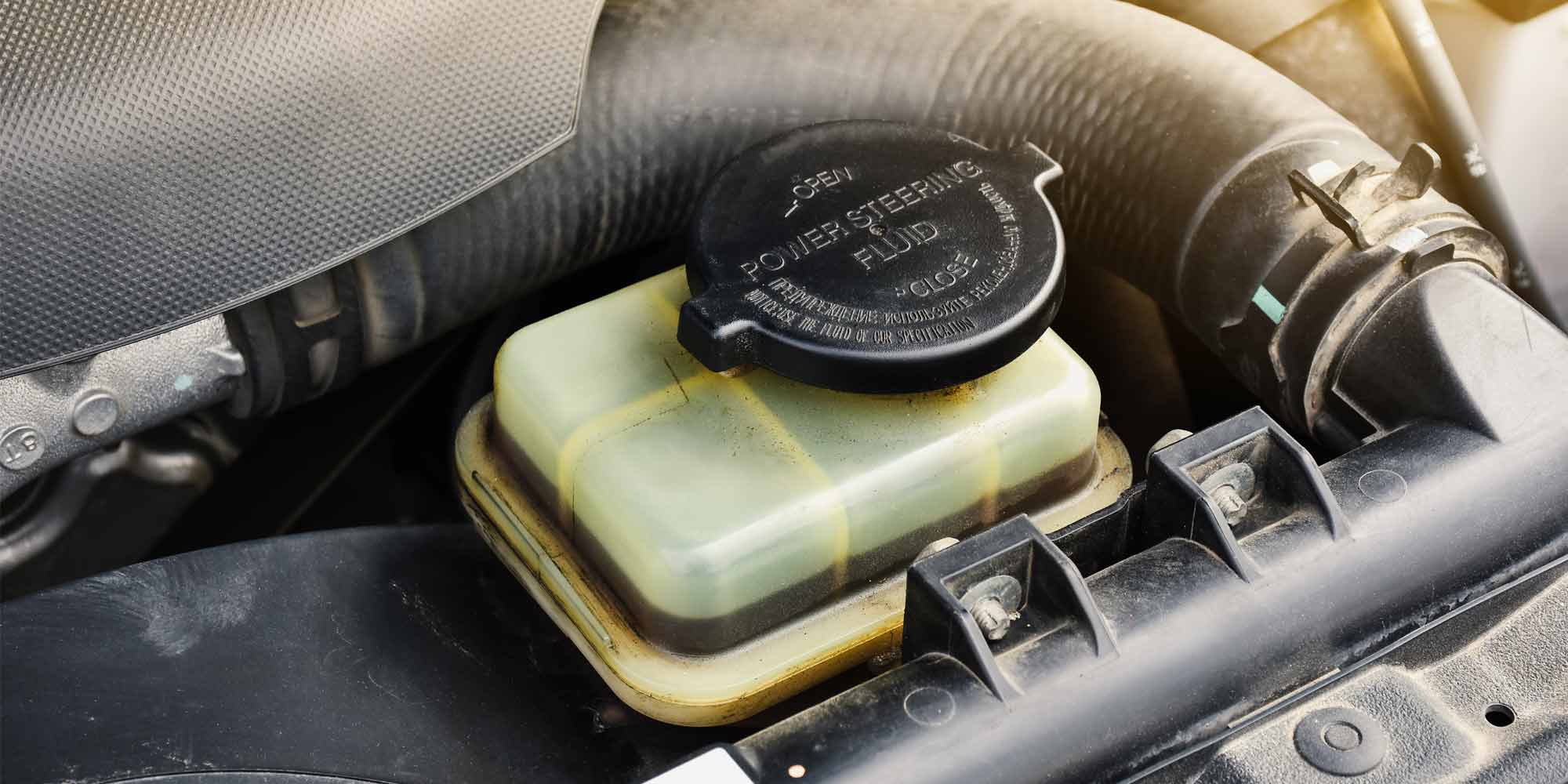
Image Source: images.contentstack.io
Why Checking Power Steering Fluid with a Running Engine is Risky
Several factors make inspecting power steering fluid while idling a dangerous practice:
- Moving Parts: The engine compartment is full of rapidly spinning belts, pulleys, and other components. Getting your hand, clothing, or jewelry caught in these parts can cause serious injury.
- Heat: The engine and its components, including the power steering pump, become extremely hot when running. Touching these hot surfaces can result in severe burns. Checking power steering fluid hot is a burn hazard.
- Fluid Spray: While less common, there’s a possibility of fluid spraying out of the reservoir, especially if the system has a leak or is overfilled. Power steering fluid can be an irritant, and getting it in your eyes is particularly dangerous.
- Electrical Hazards: Modern vehicles have complex electrical systems. Working around a running engine increases the risk of electrical shock.
- Unpredictable Movements: Although less common, there is a possibility that a hose could come loose unexpectedly while the engine is running, resulting in hot fluid spraying.
The Safe Way to Check Power Steering Fluid
The correct and safe method for checking your power steering fluid involves turning the engine off and letting the vehicle cool down. Here’s a step-by-step guide:
- Park on a Level Surface: Ensure your vehicle is parked on a flat surface to get an accurate fluid level reading.
- Turn Off the Engine: Completely turn off the engine and remove the keys from the ignition. Let the engine cool for at least 15-30 minutes. This is crucial.
- Locate the Power Steering Reservoir: The power steering reservoir is usually a plastic container with a cap marked with a steering wheel icon or the words “Power Steering Fluid.” It’s often located near the front of the engine compartment. Consult your owner’s manual if you’re unsure where to find it.
- Clean the Reservoir: Wipe the reservoir clean with a rag to prevent dirt or debris from falling into the fluid.
-
Check the Fluid Level: Most reservoirs have markings indicating the “MIN” (minimum) and “MAX” (maximum) fluid levels. There are usually two marks, one for when the system is hot and one for when it is cold.
- If the Reservoir is Translucent: You should be able to see the fluid level through the side of the reservoir.
- If the Reservoir Has a Dipstick: Remove the cap (which often has a dipstick attached), wipe the dipstick clean, reinsert it fully, and then remove it again to check the fluid level.
-
Add Fluid if Necessary: If the fluid level is below the “MIN” mark, add power steering fluid until it reaches the “MAX” mark. Use the type of power steering fluid recommended in your owner’s manual.
- Replace the Cap: Securely replace the reservoir cap.
What to Look for During Your Power Steering Fluid Check
Beyond just the fluid level, pay attention to the condition of the fluid itself. This can give you clues about the health of your power steering system. Here’s what to look for:
- Color: Fresh power steering fluid is typically clear or light amber in color. Dark, brown, or black fluid indicates contamination or degradation.
- Consistency: The fluid should be smooth and relatively thin. Thick or sludgy fluid suggests a problem.
- Smell: A burnt or acrid smell can indicate overheating or internal damage to the power steering pump.
- Contamination: Look for any particles or debris in the fluid. This can indicate wear and tear within the system.
If your fluid exhibits any of these issues, it’s a good idea to have your power steering system inspected by a qualified mechanic.
Power Steering Fluid Running vs Off: Does It Matter for a Visual Inspection?
While some argue that observing power steering fluid operation running gives you a better indication of the system’s health, the safety risks involved generally outweigh any perceived benefit. The subtle changes in fluid level or flow are unlikely to provide significant insights that can’t be obtained through a visual inspection with the engine off and a careful evaluation of the fluid’s condition. There is little to no advantage to checking the power steering fluid level running versus with the engine off. The goal is to make sure there is enough fluid for normal driving conditions.
The slight expansion of fluid due to heat when the power steering fluid check engine on is performed is minor. A safer and more thorough inspection of the fluid is with the engine off.
Troubleshooting Power Steering Issues
If you’re experiencing problems with your power steering, such as difficulty steering, noise when turning the wheel, or a warning light on the dashboard, it’s important to address the issue promptly. Low power steering fluid can certainly be a cause, but there might be other underlying problems. Here are some common power steering issues and their potential causes:
-
Hard Steering:
- Low power steering fluid
- Worn or damaged power steering pump
- Leaking power steering lines
- Clogged power steering filter
- Air in the power steering system
-
Noise When Steering:
-
Low power steering fluid
- Worn or damaged power steering pump
- Air in the power steering system
- Loose or worn power steering belt
-
Leaking Power Steering Fluid:
-
Damaged power steering lines or hoses
- Leaking power steering pump
- Leaking power steering rack
-
Power Steering Warning Light:
-
Low power steering fluid
- Faulty power steering pump
- Electrical problems in the power steering system
Table: Power Steering Problems and Possible Causes
| Problem | Possible Causes |
|---|---|
| Hard Steering | Low fluid, pump issues, leaks, clogged filter |
| Noisy Steering | Low fluid, pump issues, air in system, belt |
| Leaking Fluid | Damaged lines/hoses, leaking pump/rack |
| Warning Light On | Low fluid, faulty pump, electrical issues |
Maintaining Your Power Steering System
Regular maintenance is key to keeping your power steering system in good working order. Here are some tips:
- Check the Fluid Level Regularly: Check your power steering fluid level at least once a month, or more frequently if you notice any steering problems.
- Use the Correct Fluid: Always use the type of power steering fluid recommended in your owner’s manual. Using the wrong fluid can damage the system.
- Flush the System Periodically: Consider flushing the power steering system every two to three years, or as recommended in your owner’s manual. This removes old, contaminated fluid and helps to keep the system clean.
- Inspect for Leaks: Regularly inspect the power steering lines, hoses, and pump for any signs of leaks. Address any leaks promptly to prevent further damage.
- Listen for Unusual Noises: Pay attention to any unusual noises when steering, such as whining, squealing, or groaning. These noises can indicate a problem with the power steering pump or other components.
Why You Shouldn’t Ignore Power Steering Problems
Ignoring power steering problems can lead to several consequences:
- Increased Steering Effort: As the power steering system deteriorates, it can become more difficult to steer, especially at low speeds.
- Reduced Vehicle Control: In severe cases, power steering failure can make it difficult to control the vehicle, especially in emergency situations.
- Damage to Other Components: Power steering problems can put strain on other components, such as the engine and transmission.
- Costly Repairs: Neglecting power steering problems can lead to more extensive and costly repairs down the road.
Considerations for Hot Engine Power Steering Fluid Check
While generally not recommended, there might be specific situations where a mechanic might verify power steering fluid level live with the engine running as part of a diagnostic procedure. This would be done with extreme caution, using appropriate safety equipment, and only when absolutely necessary to assess the system’s performance under load. The need to examine the hot engine power steering fluid check is rare.
Even in these cases, a trained professional would prioritize safety above all else. They would be aware of the potential hazards and take steps to mitigate them. For the average car owner, it’s best to stick to the safe method of checking the fluid level with the engine off.
What About Electric Power Steering (EPS)?
It’s important to note that some modern vehicles use electric power steering (EPS) systems instead of hydraulic power steering. EPS systems do not use power steering fluid. If your vehicle has EPS, you won’t have a power steering reservoir to check. If you are unsure if your vehicle has traditional or electric power steering, check the owner’s manual or consult a trained mechanic.
Final Thoughts
Checking your power steering fluid is an important part of routine vehicle maintenance. However, it’s crucial to prioritize safety. Always check the fluid level with the engine off and cooled down. If you notice any problems with your power steering system, consult a qualified mechanic for assistance. By following these guidelines, you can keep your power steering system in good working order and ensure safe and reliable driving.
Frequently Asked Questions (FAQ)
Q: Is it safe to check power steering fluid running?
A: No, it is generally not safe to check the power steering fluid while the engine is running due to the risk of injury from moving parts and hot surfaces.
Q: What should the color of power steering fluid be?
A: Fresh power steering fluid is typically clear or light amber in color. Dark, brown, or black fluid indicates contamination or degradation.
Q: How often should I check my power steering fluid?
A: You should check your power steering fluid level at least once a month, or more frequently if you notice any steering problems.
Q: What type of power steering fluid should I use?
A: Always use the type of power steering fluid recommended in your owner’s manual. Using the wrong fluid can damage the system.
Q: Can I add power steering fluid if the level is low?
A: Yes, if the fluid level is below the “MIN” mark, add power steering fluid until it reaches the “MAX” mark.
Q: What are the signs of a power steering leak?
A: Signs of a power steering leak include low fluid level, difficulty steering, noise when turning the wheel, and visible fluid leaks under the vehicle.
Q: What if my car has electric power steering?
A: If your car has electric power steering (EPS), it does not use power steering fluid, so there is no reservoir to check.
Q: Is it ok to check fluid when the engine is hot
A: Yes, there is a hot mark on the reservoir for measuring the fluid when the engine is hot. However, you should not attempt to check the fluid level while the engine is running
Q: Can overfilling cause problems?
A: Yes, overfilling the power steering fluid reservoir can create pressure and cause leaks. It’s essential to fill it only to the “MAX” level.

Hi, I’m Sean Kernan, the voice behind esteeringwheel.com.. With a passion for all things automotive, I created this platform to share my journey, insights, and expertise about cars. From the latest tech to timeless driving tips, my goal is to help fellow enthusiasts and everyday drivers navigate the fascinating world of automobiles. Welcome to my corner of the road—let’s steer toward knowledge and discovery together!