Yes, in many cases, you can use transmission fluid as power steering fluid, especially as an emergency power steering fluid replacement. However, it’s crucial to understand the nuances, potential risks, and long-term consequences before making this decision. This article explores the compatibility, differences, and best practices when considering using ATF in your power steering system.
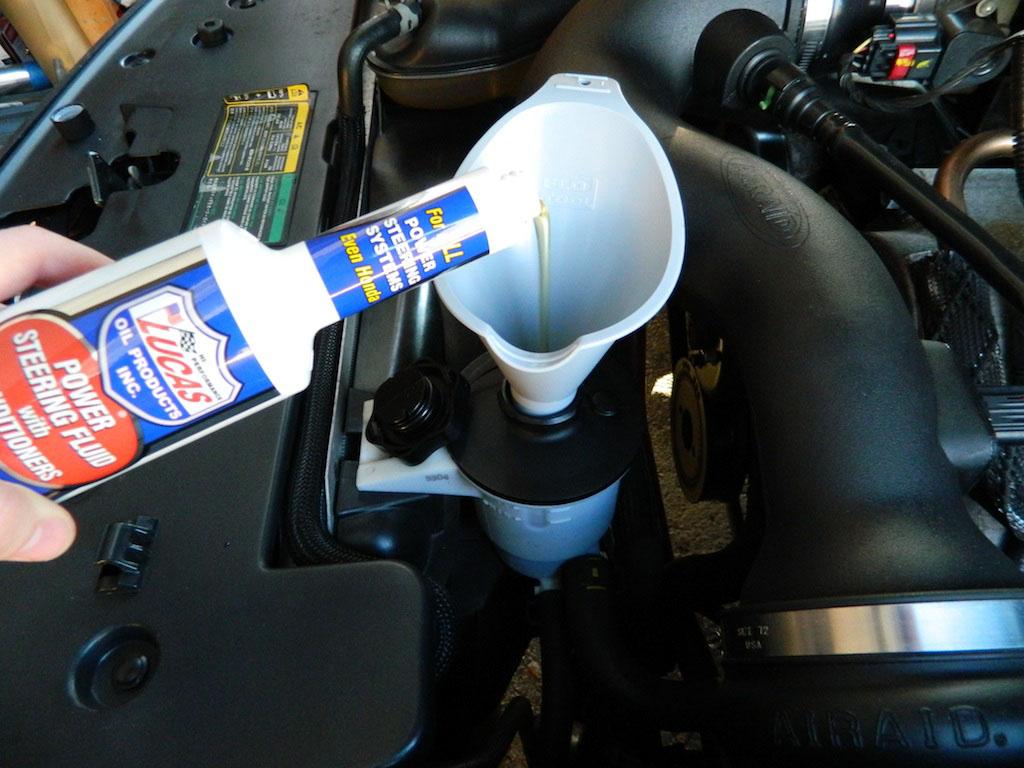
Image Source: carfromjapan.com
Power Steering Fluid vs. Transmission Fluid: Deciphering the Differences
While both fluids appear similar and hydraulic in nature, there are important differences between power steering fluid and transmission fluid. Spotting these distinctions is crucial before using transmission fluid as an alternative power steering fluid.
Primary Functions: The Core Discrepancy
- Power Steering Fluid: Primarily designed for hydraulic pressure transfer within the power steering system. It should provide lubrication to the power steering pump and other components, while operating under moderate temperatures.
- Transmission Fluid: Functions as a lubricant, coolant, and hydraulic fluid within an automatic transmission. ATF has more additives to handle higher temperatures, friction, and the complex interactions within the transmission.
Additive Packages: The Devil in the Details
The additive packages present in each fluid significantly affect their performance and compatibility. This highlights the power steering fluid vs transmission fluid difference.
- Power Steering Fluid Additives: Focus on anti-wear properties, corrosion inhibition, and seal compatibility with the power steering system’s materials.
- Transmission Fluid Additives: Include detergents, dispersants, friction modifiers, and extreme-pressure additives to manage the high-friction, high-heat environment of an automatic transmission.
Viscosity & Friction: A Critical Comparison
Viscosity, the fluid’s resistance to flow, is a critical factor. Friction modifiers also play a key role.
- Power Steering Fluid Viscosity: Typically has a lower viscosity index, meaning its viscosity changes more with temperature fluctuations compared to some ATFs.
- Transmission Fluid Viscosity: Often has a higher viscosity index and contains friction modifiers that may or may not be beneficial in a power steering system. Dexron III/Mercon ATF, for example, is sometimes recommended for older power steering systems because its properties closely resemble those of power steering fluid.
Summarizing the Differences
| Feature | Power Steering Fluid | Transmission Fluid (ATF) |
|---|---|---|
| Primary Function | Hydraulic Pressure Transfer & Lubrication | Lubrication, Cooling, Hydraulic Fluid within Transmissions |
| Additives | Anti-wear, Corrosion Inhibitors, Seal Compatibility | Detergents, Dispersants, Friction Modifiers, EP Additives |
| Viscosity | Generally Lower Viscosity Index | Generally Higher Viscosity Index |
| Temperature Range | Moderate | High |
Is Transmission Fluid Compatible with Power Steering Systems?
The compatibility of transmission fluid with power steering systems depends on several factors. Knowing these considerations helps determine when using ATF instead of power steering fluid is reasonable.
Vehicle Age & Type: Key Determinants
- Older Vehicles: Some older vehicles, particularly those manufactured before the widespread adoption of specific power steering fluids, often used Dexron II or Dexron III ATF in their power steering systems. In these cases, using an equivalent ATF is generally safe and sometimes even recommended.
- Newer Vehicles: Newer vehicles often require specific power steering fluids formulated for their systems. Using transmission fluid in these vehicles can lead to issues with seals, pump performance, and overall system functionality.
Fluid Specifications: Matching the Requirements
Check your vehicle’s owner’s manual for the specific power steering fluid requirements.
- OEM Specifications: Original Equipment Manufacturer (OEM) specifications are the gold standard. If your manual specifies a particular power steering fluid, using that fluid is always the best option.
- ATF Equivalents: Some manufacturers may list compatible ATF types as acceptable alternatives. Make sure the ATF meets or exceeds the specifications outlined in your manual.
Potential Issues: When Things Go Wrong
Using the wrong fluid can lead to a variety of problems. Identifying these consequences of using transmission fluid in power steering systems can prevent damage.
- Seal Damage: Incompatible fluids can cause seals to swell, shrink, or degrade, leading to leaks and system failure.
- Pump Failure: The power steering pump relies on the correct fluid viscosity and lubricity. Incorrect fluid can cause pump wear, noise, and eventual failure.
- Foaming: Some fluids are prone to foaming, which reduces their hydraulic effectiveness and can lead to erratic steering.
- Increased Wear: Inadequate lubrication can accelerate wear on critical components, shortening the lifespan of the power steering system.
Using ATF Instead of Power Steering Fluid: A Case-by-Case Analysis
The decision to use transmission fluid instead of power steering fluid should be made cautiously, weighing the risks and benefits.
Emergency Power Steering Fluid Replacement: A Temporary Fix
In an emergency, using transmission fluid as a temporary power steering fluid solution is often acceptable.
- Short-Term Use: If you are stranded and need to top off your power steering fluid to reach a repair shop, using ATF is generally better than running the system dry.
- Flushing the System: After using ATF as a temporary solution, flush the power steering system and replace the fluid with the correct type as soon as possible.
Transmission Fluid Alternative Power Steering: Long-Term Considerations
Using transmission fluid long-term in a system designed for power steering fluid can be problematic.
- Performance Degradation: Over time, the different additive packages can lead to reduced performance, increased wear, and potential system damage.
- Voiding Warranties: Using a non-approved fluid can void your vehicle’s warranty.
Mixing Transmission Fluid and Power Steering Fluid: A Risky Proposition
Mixing different types of fluids is generally not recommended. This explores the risks of mixing transmission fluid and power steering fluid.
- Additive Conflicts: Different fluids may have conflicting additives, which can lead to sludge formation, reduced lubricity, and other issues.
- Unpredictable Behavior: Mixing fluids can result in unpredictable viscosity changes and performance characteristics.
Fathoming the Consequences of Using Transmission Fluid in Power Steering
Using the wrong fluid in your power steering system can lead to a range of adverse effects.
Immediate Effects
- Noise: The power steering pump may become noisy due to inadequate lubrication or cavitation (formation of air bubbles).
- Stiff Steering: The steering may feel stiff or difficult to turn, especially at low speeds.
- Fluid Leaks: Incompatible fluids can cause seals to leak, resulting in fluid loss and potential damage to other components.
Long-Term Effects
- Premature Wear: Critical components like the power steering pump, rack and pinion, and hoses can wear out prematurely.
- System Failure: In severe cases, using the wrong fluid can lead to complete power steering system failure, requiring costly repairs or replacement.
- Reduced Vehicle Value: Neglecting proper maintenance and using incorrect fluids can reduce your vehicle’s overall value.
Best Practices: Maintaining Your Power Steering System
Proper maintenance is crucial for ensuring the longevity and reliability of your power steering system.
Regular Inspections
- Fluid Level: Check the power steering fluid level regularly and top off as needed with the correct type of fluid.
- Leaks: Inspect the system for leaks around the pump, hoses, and rack and pinion. Address any leaks promptly to prevent further damage.
- Fluid Condition: Check the condition of the fluid. If it is dark, dirty, or smells burnt, it’s time to flush the system and replace the fluid.
Fluid Replacement
- Recommended Intervals: Follow the manufacturer’s recommended fluid replacement intervals. These intervals vary depending on the vehicle and driving conditions.
- Flushing the System: When replacing the fluid, flush the entire system to remove old fluid, contaminants, and debris.
- Using the Right Fluid: Always use the correct type of power steering fluid specified in your vehicle’s owner’s manual.
Professional Service
- Complex Repairs: For complex repairs or diagnostics, consult a qualified mechanic.
- System Evaluation: Have your power steering system professionally evaluated periodically to identify potential issues before they become major problems.
What to Do If You Accidentally Used Transmission Fluid
If you’ve mistakenly added transmission fluid to your power steering system, take these steps:
- Stop Driving: Immediately stop driving the vehicle to prevent further damage.
- Drain the System: Drain the power steering reservoir and, ideally, the entire system.
- Flush the System: Flush the system thoroughly with the correct type of power steering fluid. You may need to perform multiple flushes to remove all traces of the transmission fluid.
- Refill with Correct Fluid: Refill the system with the fluid specified in your owner’s manual.
- Monitor Performance: Closely monitor the system’s performance for any signs of problems, such as noise, stiff steering, or leaks.
- Seek Professional Advice: If you’re unsure about any of these steps, consult a qualified mechanic.
Interpreting Fluid Types
Several different fluid types exist for both transmission and power steering systems. Familiarizing yourself with these can aid in decision-making and prevent mistakes.
Power Steering Fluid Types
- Mineral-Based: Traditional power steering fluids.
- Synthetic: Offer better performance and protection, especially in extreme temperatures.
- Hydraulic Fluid: Some systems use a specific hydraulic fluid not interchangeable with standard power steering fluid.
Transmission Fluid Types
- Dexron/Mercon: Older, common types, often compatible with older power steering systems. Dexron VI superseded Dexron III.
- ATF+4: Used in Chrysler vehicles, not generally compatible with power steering systems.
- Multi-Vehicle ATF: Designed for a broad range of vehicles, but verify compatibility before use.
FAQ: Addressing Common Questions
Q: Can I use synthetic transmission fluid instead of power steering fluid?
A: While synthetic transmission fluid might be compatible in some cases (especially if it meets the specifications in your owner’s manual), it’s generally safer to use a synthetic power steering fluid specifically formulated for your vehicle.
Q: What happens if I mix power steering fluid and transmission fluid?
A: Mixing can lead to unpredictable fluid behavior, additive conflicts, and potential system damage. It’s best to avoid mixing different fluid types.
Q: How do I know which power steering fluid my car needs?
A: Consult your vehicle’s owner’s manual. It will specify the correct type of power steering fluid for your vehicle.
Q: Is it okay to use power steering fluid in my transmission?
A: No, absolutely not. Power steering fluid is not designed for use in automatic transmissions and can cause severe damage.
Q: My power steering fluid is low, and I only have transmission fluid. What should I do?
A: If it’s an emergency and you need to drive the vehicle to a repair shop, you can use transmission fluid as a temporary solution. However, flush the system and replace the fluid with the correct type as soon as possible.
Q: Will using the wrong power steering fluid void my warranty?
A: Yes, using a non-approved fluid can void your vehicle’s warranty, especially if it causes damage to the power steering system.
Q: How often should I change my power steering fluid?
A: Follow the manufacturer’s recommended fluid replacement intervals, which are typically between 30,000 and 60,000 miles. However, check your owner’s manual for the specific recommendation for your vehicle.
Q: What are the signs that my power steering fluid needs to be changed?
A: Signs include dark or dirty fluid, a burnt smell, noisy power steering pump, stiff steering, and fluid leaks.
Conclusion: Informed Decisions for Power Steering Health
While using transmission fluid as a power steering fluid substitute may be acceptable in certain emergency situations, it is generally not recommended for long-term use. Always prioritize using the correct type of fluid specified in your vehicle’s owner’s manual to ensure the longevity and reliability of your power steering system. Regular maintenance, fluid checks, and professional service are key to preventing problems and keeping your steering smooth and responsive. Knowing the power steering fluid vs transmission fluid difference will allow you to maintain the optimal function of your car.

Hi, I’m Sean Kernan, the voice behind esteeringwheel.com.. With a passion for all things automotive, I created this platform to share my journey, insights, and expertise about cars. From the latest tech to timeless driving tips, my goal is to help fellow enthusiasts and everyday drivers navigate the fascinating world of automobiles. Welcome to my corner of the road—let’s steer toward knowledge and discovery together!