Can I change a power steering line myself? Yes, you can change a power steering line yourself, saving on labor costs, but it requires some mechanical aptitude, the right tools, and careful attention to detail. This guide will walk you through the entire process, from diagnosis to bleeding power steering after hose replacement.
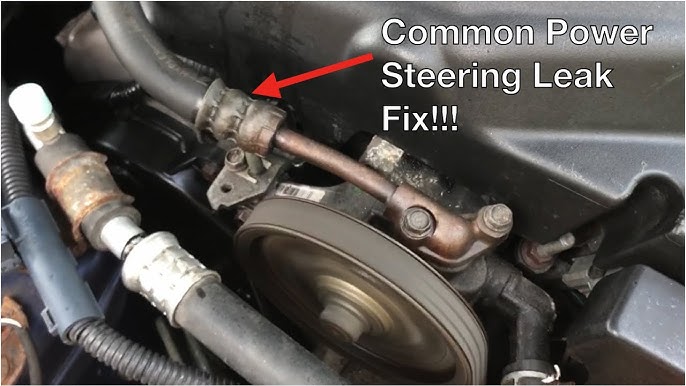
Image Source: i.ytimg.com
Why Replace Your Power Steering Line?
Replacing power steering fluid line components is crucial for maintaining proper vehicle function. A failing power steering line can lead to several problems. Here are the most common:
- Loss of Power Steering: The most obvious symptom. Steering becomes difficult, especially at low speeds.
- Leaks: Power steering fluid leaks are a telltale sign. Look for puddles under your car, typically near the front. Power steering line leak repair becomes essential to prevent further damage.
- Noisy Steering: A whining sound when you turn the wheel is a common indicator of low power steering fluid, often caused by a leak in the line.
- Contamination: A damaged line can allow dirt and debris to enter the power steering system, causing further damage to the pump and steering rack.
Diagnosing a Bad Power Steering Line
Before you start power steering hose replacement, confirm the line is actually the problem.
- Visual Inspection: Look closely at all power steering hose connections and the lines themselves. Check for cracks, swelling, or wet spots indicating a leak.
- Fluid Level: Check the power steering fluid reservoir. Low fluid is a strong indicator of a leak somewhere in the system.
- Pressure Test (Advanced): A specialized pressure testing kit can help pinpoint leaks under pressure. This might be best left to a professional if you’re not experienced.
Tools and Materials Needed for Power Steering Hose Replacement
Gathering the right tools is essential for a smooth power steering hose replacement. Here’s what you’ll need:
- New Power Steering Line: Purchase the correct replacement line for your vehicle’s make, model, and year. Double-check compatibility!
- Wrench Set: Including flare nut wrenches (line wrenches) specifically designed for hydraulic fittings. These prevent rounding the fittings. See size recommendations in the table below.
- Socket Set: For removing any brackets or other components obstructing access to the line.
- Pliers: For hose clamps and general use.
- Drain Pan: To catch spilled power steering fluid.
- New Power Steering Fluid: Use the correct type specified in your vehicle’s owner’s manual.
- Turkey Baster or Syringe: To remove old fluid from the reservoir.
- Rags or Shop Towels: Plenty of them, for cleaning up spills.
- Jack and Jack Stands: To safely lift and support the vehicle.
- Safety Glasses: Protect your eyes from splashing fluid.
- Gloves: To protect your hands from chemicals and sharp edges.
- Penetrating Oil: To help loosen stubborn fittings.
- Torque Wrench: To tighten fittings to the correct torque specifications.
| Tool | Purpose | Size (Typical) |
|---|---|---|
| Flare Nut Wrench (Line Wrench) | Loosening and tightening power steering line fittings | 16mm, 18mm |
| Socket Set | Removing brackets and other components | Various |
| Torque Wrench | Tightening fittings to specified torque | 3/8″ or 1/2″ |
Step-by-Step Guide to Replacing Power Steering Fluid Line
Follow these steps carefully for a successful power steering hose replacement.
1. Preparation is Key
- Safety First: Disconnect the negative battery terminal to prevent accidental electrical shorts. Wear safety glasses and gloves.
- Raise the Vehicle: Use a jack to lift the vehicle and secure it with jack stands. Never work under a vehicle supported only by a jack.
- Locate the Power Steering Line: Identify the line you need to replace. It usually runs from the power steering pump to the steering rack. You might be doing power steering return line replacement or the high-pressure line.
2. Draining the Power Steering Fluid
- Reservoir Evacuation: Use a turkey baster or syringe to remove as much old power steering fluid as possible from the reservoir.
- Disconnect the Return Line (if applicable): The power steering return line replacement is often done at the same time as the high-pressure line. If so, disconnect the return line at the reservoir, place a drain pan underneath, and direct the hose into the pan.
- Turn the Steering Wheel: With the return line disconnected, slowly turn the steering wheel from lock to lock to help pump out the remaining fluid.
3. Disconnecting the Old Power Steering Line
This is where the flare nut wrenches are critical.
- Apply Penetrating Oil: Spray penetrating oil on the fittings where the line connects to the pump and the steering rack. Let it sit for 10-15 minutes to help loosen them.
- Loosen the Fittings: Use the correct size flare nut wrench to loosen the fittings. Be careful not to round them off. If a fitting is stuck, try tapping the wrench with a hammer.
- Disconnect the Line: Once the fittings are loose, carefully disconnect the line from both the pump and the steering rack. Have a drain pan ready to catch any remaining fluid.
- Remove Brackets/Clamps: Remove any brackets or clamps holding the line in place.
4. Installing the New Power Steering Line
- Compare the New Line: Before installing, compare the new line to the old one to ensure they are the same length and have the same fittings.
- Connect the Fittings: Carefully connect the new line to the power steering pump and the steering rack. Hand-tighten the fittings first to avoid cross-threading.
- Tighten the Fittings: Use the flare nut wrench to tighten the fittings to the manufacturer’s specified torque. Overtightening can damage the fittings or the line. Consult your vehicle’s repair manual for the correct torque specifications. Tightening power steering hose connections correctly is vital for preventing leaks.
- Secure the Line: Reinstall any brackets or clamps that hold the line in place. Make sure the line is properly supported and doesn’t rub against any other components.
5. Refilling and Bleeding Power Steering After Hose Replacement
- Refill the Reservoir: Fill the power steering fluid reservoir with the correct type of fluid to the “MAX” line.
- Bleeding the System: This is the most important step to remove air from the system.
- With the engine off, slowly turn the steering wheel from lock to lock several times. This will help circulate the fluid and force air out of the system.
- Check the fluid level in the reservoir and add more fluid as needed.
- Start the engine and let it idle for a few minutes.
- Again, slowly turn the steering wheel from lock to lock. Listen for any unusual noises (whining or gurgling).
- Check the fluid level and add more fluid as needed.
- Repeat the process until all the air is bled from the system and the steering feels smooth.
- Check for Leaks: Inspect all fittings and connections for leaks. If you find any leaks, tighten the fittings slightly.
6. Final Steps
- Lower the Vehicle: Carefully lower the vehicle and remove the jack stands.
- Test Drive: Take the vehicle for a short test drive to ensure the power steering is working properly.
- Inspect Again: After the test drive, re-inspect all fittings and connections for leaks. Check the power steering fluid level one last time and add fluid if needed.
Troubleshooting Common Problems
- Rounded Fittings: If you round off a fitting, try using a flare nut wrench with a slightly smaller opening. If that doesn’t work, you may need to use a specialized tool to remove the damaged fitting. Power steering line fitting removal can be tricky.
- Persistent Leaks: Double-check the torque specifications for the fittings and make sure they are properly tightened. Also, inspect the fittings for any damage or defects. Sometimes, a new crush washer is needed.
- Noisy Power Steering: This usually indicates air in the system. Repeat the bleeding process until all the air is removed. If the noise persists, the power steering pump may be damaged.
- Hard Steering: This could be caused by a low fluid level, air in the system, or a damaged power steering pump.
Cost Considerations: Power Steering Hose Repair Cost
- DIY: The cost of replacing power steering fluid line yourself primarily includes the cost of the new line (typically $50-$200), power steering fluid (around $10-$20), and any tools you need to purchase (if you don’t already have them).
- Professional Repair: The power steering hose repair cost at a shop can range from $200 to $500 or more, including parts and labor. Labor costs vary depending on the shop’s hourly rate and the complexity of the job.
By doing it yourself, you can potentially save a significant amount of money on labor costs.
Safety Precautions
- Wear Safety Glasses and Gloves: Power steering fluid can be harmful to your eyes and skin.
- Work in a Well-Ventilated Area: Power steering fluid fumes can be irritating.
- Dispose of Old Fluid Properly: Power steering fluid is hazardous waste and should not be poured down the drain. Take it to a local recycling center or auto parts store for proper disposal.
- Never Work Under a Vehicle Supported Only by a Jack: Always use jack stands to safely support the vehicle.
Frequently Asked Questions (FAQ)
Q: How often should I replace my power steering fluid?
A: Most manufacturers recommend replacing power steering fluid every 30,000 to 60,000 miles, or every 2-3 years. Check your vehicle’s owner’s manual for specific recommendations.
Q: What happens if I don’t fix a power steering leak?
A: Ignoring a power steering leak can lead to several problems, including loss of power steering, damage to the power steering pump and steering rack, and increased wear and tear on other components. It can also be a safety hazard.
Q: Can I use regular hose clamps on power steering lines?
A: No. Regular hose clamps are not designed to withstand the high pressure in power steering systems. Use clamps specifically designed for hydraulic hoses.
Q: How do I know if my power steering pump is bad?
A: Common symptoms of a bad power steering pump include noisy steering, hard steering, and a decrease in power steering assist. You may also notice a whining sound coming from the pump.
Q: What type of power steering fluid should I use?
A: Always use the type of power steering fluid specified in your vehicle’s owner’s manual. Using the wrong type of fluid can damage the power steering system.
By following these steps and taking the necessary precautions, you can successfully change your power steering line and save money on power steering hose repair cost. Remember to take your time, be careful, and always prioritize safety.

Hi, I’m Sean Kernan, the voice behind esteeringwheel.com.. With a passion for all things automotive, I created this platform to share my journey, insights, and expertise about cars. From the latest tech to timeless driving tips, my goal is to help fellow enthusiasts and everyday drivers navigate the fascinating world of automobiles. Welcome to my corner of the road—let’s steer toward knowledge and discovery together!