What is the procedure for changing a power steering belt? The procedure involves locating the power steering pump, loosening the belt tension, removing the old belt, installing the new belt, adjusting the tension, and verifying proper operation. This guide provides a detailed, step-by-step walkthrough of the power steering belt replacement process, incorporating essential safety measures and troubleshooting tips.
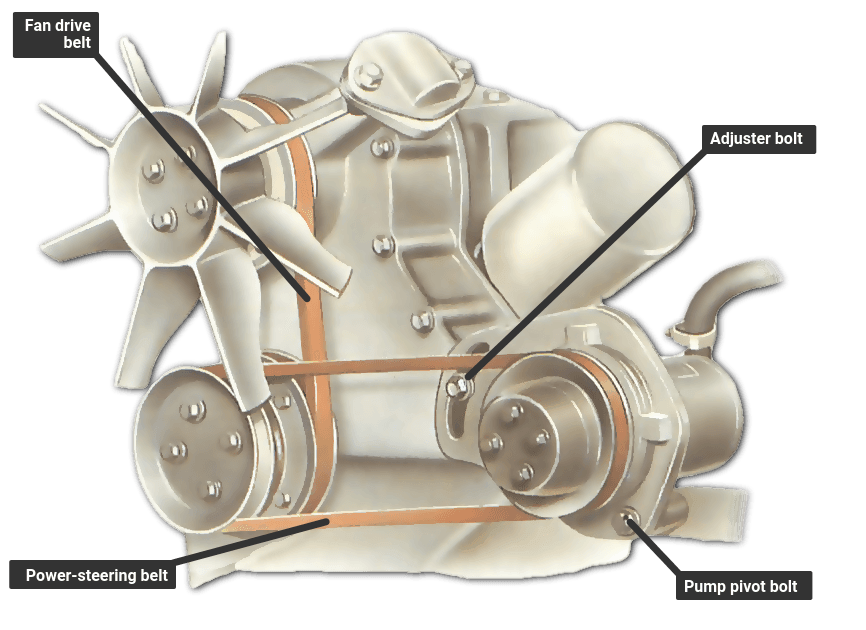
Image Source: www.howacarworks.com
Is Your Power Steering Belt Due for Replacement?
A failing power steering belt can lead to several issues, ranging from annoying noises to complete steering failure. Recognizing the warning signs is crucial for preventing more significant problems down the road. Regular automotive maintenance, including inspecting your power steering pump belt, can save you time and money.
Signs of a Failing Power Steering Belt
- Power Steering Belt Squeal: A high-pitched squealing noise, especially when turning the steering wheel or starting the engine, is a classic sign of a worn or loose belt. This power steering belt squeal occurs because the belt is slipping on the pulleys.
- Difficulty Steering: If the steering wheel feels stiff or requires excessive effort to turn, the power steering system may not be functioning correctly due to a slipping or broken belt.
- Cracked or Frayed Belt: A visual inspection might reveal cracks, fraying, or missing chunks of the belt. These are clear indicators that the belt needs replacing.
- Visible Wear and Tear: Glazing or hardening of the belt surface can reduce its grip, leading to slippage and reduced power steering assistance.
Gathering Your Tools and Materials
Before beginning the power steering belt replacement, ensure you have all the necessary tools and materials readily available.
- New Power Steering Belt: Purchase a replacement belt that matches your vehicle’s make and model. Check your owner’s manual or a reputable parts supplier for the correct part number.
- Wrench Set: A set of wrenches, including open-end and socket wrenches, is essential for loosening and tightening bolts and nuts.
- Socket Set: A socket set, with various sizes, will help remove different components around the power steering pump.
- Screwdrivers: Both flathead and Phillips head screwdrivers may be needed to remove covers or adjust components.
- Belt Tensioner Tool (If Applicable): Some vehicles require a specialized tool to release the belt tensioner.
- Pry Bar (Optional): A pry bar can be helpful for maneuvering the power steering pump or tensioner.
- Gloves: Protect your hands from dirt, grease, and sharp edges.
- Safety Glasses: Protect your eyes from debris.
- Work Light: Good lighting is crucial for a safe and efficient work environment.
- Pen and Paper or Camera: Take notes or pictures of the serpentine belt routing before removing the old belt to ensure proper installation of the new one. A power steering belt diagram is helpful.
Safety First: Preparing Your Vehicle
Safety is paramount when performing any car repair DIY. Take the following precautions before starting the power steering belt replacement:
- Park on a Level Surface: Park your vehicle on a flat, stable surface to prevent it from rolling.
- Engage the Parking Brake: Ensure the parking brake is fully engaged.
- Chock the Wheels: Place wheel chocks behind the rear wheels for added safety.
- Disconnect the Negative Battery Terminal: Disconnecting the negative battery terminal prevents accidental electrical shorts or shocks.
- Allow the Engine to Cool: Wait for the engine to cool down completely before working on it to avoid burns.
Step-by-Step Guide to Power Steering Belt Replacement
1. Locate the Power Steering Pump and Belt
The power steering pump is typically located at the front of the engine and is driven by a belt that runs from the crankshaft pulley. Trace the belt from the power steering pump to identify its path and the belt tensioner.
2. Determine the Serpentine Belt Routing
Before removing the old belt, carefully note the serpentine belt routing. A power steering belt diagram will be useful for reinstallation. Draw a diagram or take a picture of the belt’s path around the pulleys to ensure you reinstall the new belt correctly. Incorrect routing can lead to improper operation and damage to the belt or other components.
3. Release the Belt Tension
The power steering belt is kept tight by a belt tensioner. There are generally two types of tensioners:
- Automatic Tensioner: Use a wrench or socket on the tensioner pulley bolt to rotate the tensioner arm, relieving the tension on the belt. Insert a pin or Allen wrench into the designated hole to hold the tensioner in the released position.
- Manual Tensioner: Loosen the tensioner adjustment bolt and pivot bolt. Use a pry bar or wrench to move the power steering pump (or the tensioner) and slacken the belt.
Belt Tensioner Adjustment – Step by Step:
- Identify the tensioner pulley bolt.
- Attach the correct size wrench or socket.
- Rotate the tensioner arm to release tension.
- Secure the tensioner in the released position (if applicable).
- If a manual tensioner, loosen adjustment and pivot bolts before applying pressure to slacken the belt.
4. Remove the Old Belt
Once the tension is released, carefully remove the old power steering belt from the pulleys. Start by slipping it off the power steering pump pulley, then remove it from the other pulleys in its path.
5. Inspect the Pulleys
Before installing the new belt, inspect all pulleys for signs of wear, damage, or contamination. Clean any dirt or debris from the pulleys using a clean cloth. Check that the pulleys spin freely and do not have excessive play. Replace any worn or damaged pulleys to ensure proper belt operation and prevent premature wear of the new belt.
6. Install the New Belt
Following the diagram or notes you made earlier, route the new power steering belt around the pulleys in the correct sequence. Ensure the belt is properly seated in the grooves of each pulley.
7. Adjust the Belt Tension
With the new belt in place, adjust the belt tension to the proper specification.
- Automatic Tensioner: Release the tensioner arm from the locked position (if applicable). The automatic tensioner should automatically adjust the belt tension to the correct level.
- Manual Tensioner: Use a pry bar or wrench to move the power steering pump (or the tensioner) and apply the correct amount of tension to the belt. Tighten the tensioner adjustment bolt and pivot bolt to secure the tension. The how to tighten power steering belt process requires careful attention.
Measuring Belt Tension:
- Belt Tension Gauge: Use a belt tension gauge to measure the belt tension. Refer to your vehicle’s service manual for the correct tension specification.
- Visual Inspection: As a general guideline, the belt should have about ¼ to ½ inch of deflection when pressed firmly between two pulleys.
8. Verify Proper Operation
After installing the new belt and adjusting the tension, start the engine and let it run for a few minutes. Listen for any unusual noises, such as squealing or slipping. Check the power steering operation by turning the steering wheel from lock to lock. Ensure the steering feels smooth and responsive. If you hear any squealing, you may need to tighten the belt slightly.
9. Reassemble and Final Checks
Reinstall any covers or components that were removed during the power steering belt replacement. Double-check all connections and fasteners to ensure they are properly tightened. Disconnect the wheel chocks, reconnect the negative battery terminal, and lower the vehicle if it was raised.
Diagnosing Common Issues
Even after a successful power steering belt replacement, you may encounter some common issues. Here’s how to diagnose and address them:
Power Steering Belt Squeal After Replacement
- Loose Belt: If you hear a squealing noise after replacing the belt, it is likely too loose. Check the belt tension and adjust it as needed.
- Misaligned Pulleys: Ensure all pulleys are properly aligned. Misalignment can cause the belt to rub against the sides of the pulleys, resulting in squealing.
- Contaminated Belt: Check the belt for oil, grease, or other contaminants. Clean the belt with a mild degreaser if necessary.
- Worn Pulleys: Inspect the pulleys for wear or damage. Replace any worn pulleys to ensure proper belt operation.
Difficulty Steering After Replacement
- Incorrect Belt Routing: Double-check the belt routing diagram and ensure the belt is properly installed around all pulleys.
- Low Power Steering Fluid: Check the power steering fluid level and add fluid if necessary.
- Air in the System: If the power steering pump ran dry, air may have entered the system. Bleed the system by turning the steering wheel from lock to lock several times.
Importance of Professional Help
While this guide provides a detailed overview of the power steering belt replacement process, it’s important to recognize when professional help is needed.
- Lack of Experience: If you are not comfortable working on your vehicle or lack the necessary experience, it’s best to seek the assistance of a qualified mechanic.
- Complex Systems: Some vehicles have complex power steering systems that require specialized tools and knowledge.
- Persistent Issues: If you are unable to resolve the issue after attempting the steps outlined in this guide, it’s best to consult a professional.
Power Steering Belt: Maintenance Tips
To prolong the life of your power steering belt and prevent future issues, follow these maintenance tips:
- Regular Inspections: Periodically inspect the power steering belt for signs of wear, cracks, or fraying.
- Proper Tension: Maintain the correct belt tension to prevent slippage and premature wear.
- Cleanliness: Keep the belt and pulleys clean and free from oil, grease, and debris.
- Prompt Replacement: Replace the belt as soon as you notice any signs of wear or damage.
By following these guidelines, you can ensure the reliable operation of your power steering system and avoid costly repairs. Regularly replacing drive belt components according to your car manufacturer’s recommendations is essential.
Frequently Asked Questions (FAQ)
Q: How often should I replace my power steering belt?
A: A power steering belt should typically be replaced every 3 to 5 years or 30,000 to 60,000 miles, but it’s best to consult your vehicle’s owner’s manual for specific recommendations. Visual inspection should be done regularly to catch any early signs of wear.
Q: Can I drive with a broken power steering belt?
A: While you can technically drive with a broken power steering belt, it’s not recommended. The steering will become much harder, and you might also lose other functions if the belt drives other components, such as the water pump or alternator.
Q: What happens if my power steering belt breaks while driving?
A: If your power steering belt breaks while driving, you will experience a sudden loss of power steering assistance, making the steering wheel much harder to turn. If the belt also drives other components, those systems will also cease to function. Pull over safely and have the vehicle towed to a repair shop.
Q: How much does power steering belt replacement typically cost?
A: The cost of power steering belt replacement can vary depending on the vehicle’s make and model, as well as labor rates. Generally, you can expect to pay between $80 and $200, including parts and labor. Doing it yourself can save on labor costs.
Q: Is it possible to replace the power steering belt myself, or should I take it to a mechanic?
A: Replacing the power steering belt is a task that many car owners can do themselves with the right tools and a bit of mechanical know-how. However, if you’re not comfortable working on cars, it’s best to take it to a mechanic.
Q: What tools do I need for a power steering belt replacement?
A: You’ll typically need a wrench set, socket set, screwdrivers, a belt tensioner tool (if applicable), safety glasses, gloves, and a work light.
Q: What is a belt tensioner, and why is it important?
A: A belt tensioner is a spring-loaded device that applies the correct amount of tension to the power steering belt. It’s crucial for ensuring proper belt operation and preventing slippage.
Q: How do I ensure the proper tension of the new power steering belt?
A: Use a belt tension gauge to measure the belt tension according to your vehicle’s specifications. If a gauge isn’t available, ensure the belt has about ¼ to ½ inch of deflection when pressed firmly between two pulleys.
Q: Can a loose power steering belt cause other problems?
A: Yes, a loose power steering belt can cause squealing, reduced power steering assistance, and premature wear of the belt and pulleys.
Q: How can I find the correct power steering belt for my vehicle?
A: You can find the correct power steering belt for your vehicle by checking your owner’s manual or using a reputable parts supplier’s online catalog. Provide your vehicle’s make, model, and year to ensure an accurate match.

Hi, I’m Sean Kernan, the voice behind esteeringwheel.com.. With a passion for all things automotive, I created this platform to share my journey, insights, and expertise about cars. From the latest tech to timeless driving tips, my goal is to help fellow enthusiasts and everyday drivers navigate the fascinating world of automobiles. Welcome to my corner of the road—let’s steer toward knowledge and discovery together!