What is the best way to clean a car steering wheel? The best way involves gentle cleaning solutions, microfiber cloths, and appropriate techniques based on your steering wheel material (leather, vinyl, or other). This detailed guide will walk you through everything you need to know about car steering wheel cleaning, keeping it grime-free and hygienic.
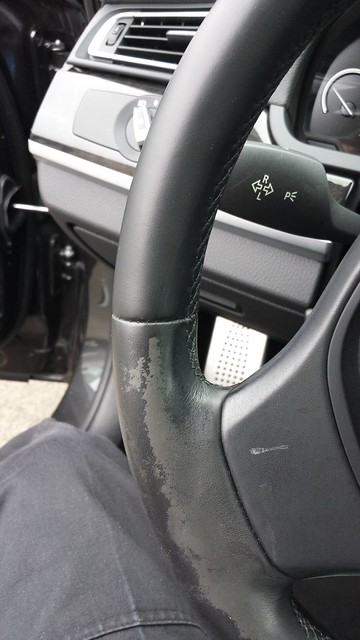
Image Source: farm3.staticflickr.com
Why Car Steering Wheel Cleaning Matters
Your steering wheel is one of the most frequently touched surfaces in your car. Think about it: you touch it with hands that have touched gas pumps, door handles, and countless other things. That means it’s a breeding ground for germs, bacteria, and plain old dirt. Regular car steering wheel cleaning is crucial for:
- Hygiene: Eliminating harmful germs and bacteria, reducing the risk of illness.
- Comfort: A clean steering wheel feels better to grip.
- Safety: A slippery, grime-covered steering wheel can compromise your grip and driving safety.
- Aesthetics: A clean steering wheel improves the overall look and feel of your car interior.
- Preservation: Cleaning and conditioning the steering wheel extends its life and prevents damage.
Identifying Your Steering Wheel Material
Before you begin, it’s crucial to identify the material of your steering wheel. Different materials require different cleaning approaches. Common materials include:
- Leather: Requires gentle cleaning and conditioning to prevent drying and cracking.
- Vinyl: More durable than leather but still needs proper care to avoid damage.
- Plastic/Rubber: Common in older or economy cars; can be cleaned with stronger solutions if needed.
- Wood: Found in luxury cars; needs gentle cleaning to avoid damage to the finish.
- Suede/Alcantara: Requires specialty cleaning products and techniques to avoid damage.
If you’re unsure, consult your car’s owner’s manual.
Gathering Your Car Steering Wheel Cleaning Supplies
Having the right supplies will make the job easier and more effective. Here’s what you’ll need for car interior cleaning, focusing on the steering wheel:
- Microfiber cloths: Soft cloths that won’t scratch the surface.
- Soft-bristled brush: An old toothbrush or detailing brush.
- Bucket of warm water: For rinsing and diluting cleaning solutions.
- Mild soap or detergent: Dish soap works well; choose one that is gentle.
- Steering wheel cleaner: Specific product designed for your steering wheel material.
- Leather conditioner (for leather steering wheels): Helps to keep leather supple and prevent cracking.
- Interior detailing spray (optional): For cleaning other interior surfaces.
- Isopropyl alcohol (70% solution): For disinfection.
- Spray bottle: For applying cleaning solutions.
- Gloves (optional): To protect your hands.
Step-by-Step Guide to Car Steering Wheel Cleaning
Here’s a detailed guide on how to clean a car steering wheel, ensuring you remove all germs and grime effectively:
Step 1: Initial Cleaning
- Dust Removal: Use a dry microfiber cloth to wipe down the steering wheel. This removes loose dirt and debris.
- Vacuuming (Optional): If you have a vacuum with a brush attachment, use it to vacuum the steering wheel. This is especially helpful for removing dust from textured surfaces.
Step 2: Preparing Your Cleaning Solution
- For Leather: Mix a few drops of mild soap (like dish soap) with warm water in a bucket. Avoid using harsh chemicals or abrasive cleaners.
- For Vinyl/Plastic: You can use the same mild soap and water solution or a dedicated steering wheel cleaner for vinyl or plastic.
- For Wood: Use a very gentle soap and water solution, and be extremely careful not to saturate the wood.
- For Suede/Alcantara: Use a specialized Alcantara cleaner and follow the manufacturer’s instructions.
Step 3: Cleaning the Steering Wheel
- Dampen the Cloth: Dip a microfiber cloth into your cleaning solution and wring it out thoroughly. The cloth should be damp, not soaking wet.
- Wipe Down the Steering Wheel: Gently wipe down the entire steering wheel, paying attention to areas that get the most contact with your hands.
- Use a Brush (If Needed): For stubborn grime or textured surfaces, use a soft-bristled brush to gently scrub the area.
- Clean Crevices: Use a cotton swab dipped in the cleaning solution to reach hard-to-reach areas, such as around buttons and seams.
Step 4: Rinsing and Drying
- Wipe with a Clean, Damp Cloth: Use a clean, damp microfiber cloth to wipe away any soap residue from the steering wheel.
- Dry Thoroughly: Use a dry microfiber cloth to thoroughly dry the steering wheel. This helps prevent water spots and potential damage.
Step 5: Disinfecting
- Prepare a Disinfectant Solution: Use a 70% isopropyl alcohol solution. You can either spray it lightly onto a microfiber cloth or use pre-moistened disinfectant wipes.
- Wipe the Steering Wheel: Wipe down the entire steering wheel with the disinfectant solution, ensuring all surfaces are covered.
- Allow to Air Dry: Let the alcohol air dry completely. Isopropyl alcohol evaporates quickly, so this shouldn’t take long.
Step 6: Leather Steering Wheel Care (If Applicable)
- Apply Leather Conditioner: After cleaning and disinfecting, apply a leather conditioner to your leather steering wheel. This helps to moisturize the leather and prevent it from drying out and cracking.
- Follow Product Instructions: Follow the instructions on your leather conditioner product. Generally, you’ll apply a small amount of conditioner to a microfiber cloth and gently rub it into the leather.
- Buff the Leather: After the conditioner has had time to absorb (usually a few minutes), buff the leather with a clean, dry microfiber cloth to remove any excess product.
Removing Stubborn Steering Wheel Grime
Sometimes, regular cleaning isn’t enough to remove stubborn grime from your steering wheel. Here are some tips for steering wheel grime removal:
- Baking Soda Paste: Mix baking soda with a small amount of water to create a paste. Apply the paste to the grime, let it sit for a few minutes, and then gently scrub with a soft-bristled brush. Rinse thoroughly and dry. Test this method on an inconspicuous area first.
- Magic Eraser: A magic eraser can be effective for removing grime, but use it sparingly and gently, as it can be abrasive. Always test on an inconspicuous area first.
- Steam Cleaning: A steam cleaner can be used to loosen stubborn grime. Use the steam cleaner at a low setting and keep the nozzle moving to avoid damaging the steering wheel. Wipe away the loosened grime with a microfiber cloth.
Choosing the Right Steering Wheel Cleaner
The best way to clean steering wheel really comes down to using the right product. With so many steering wheel cleaner options, it is best to read the labels. Here’s a guide to help you choose:
| Cleaner Type | Material Suitability | Pros | Cons |
|---|---|---|---|
| Mild Soap and Water | Leather, Vinyl, Plastic, Wood | Gentle, readily available, inexpensive | May not be effective for stubborn grime |
| Leather Cleaner | Leather | Specifically designed for leather, contains moisturizing agents | Can be more expensive than other options |
| Vinyl/Plastic Cleaner | Vinyl, Plastic | Formulated to remove grime without damaging vinyl or plastic | May not be suitable for leather |
| Interior Detailer | Most interior surfaces (including steering wheels) | Versatile, often contains UV protectants | May not be as effective as dedicated cleaners for specific materials |
| Alcantara Cleaner | Suede/Alcantara | Specifically designed for Alcantara, prevents damage and maintains texture | Can be expensive, may require specific application techniques |
| Disinfectant Wipes/Spray | All materials | Kills germs and bacteria, convenient | Some wipes can leave a residue, alcohol-based sprays can dry out leather if used excessively. Always follow up with leather conditioner, if applicable. |
DIY Steering Wheel Cleaning Solutions
If you prefer a DIY steering wheel cleaning approach, here are a few recipes:
- Vinegar Solution: Mix equal parts white vinegar and water in a spray bottle. This solution can help remove dirt and grime, but use it sparingly and avoid using it on leather, as it can be drying.
- Baking Soda and Water Paste: As mentioned earlier, a paste of baking soda and water can be effective for removing stubborn grime.
- Olive Oil and Lemon Juice: Mix a few drops of olive oil with a tablespoon of lemon juice. This can help clean and condition leather, but use it sparingly, as too much oil can make the steering wheel slippery.
Tips for Maintaining a Clean Steering Wheel
- Regular Cleaning: Clean your steering wheel at least once a week to prevent grime from building up.
- Hand Sanitizer: Use hand sanitizer regularly, especially before driving, to reduce the amount of germs that transfer to your steering wheel.
- Avoid Eating in the Car: Food particles can easily end up on your steering wheel, so try to avoid eating in the car.
- Park in the Shade: Sunlight can damage your steering wheel, especially if it’s made of leather. Park in the shade whenever possible to protect it.
- Use a Steering Wheel Cover: A steering wheel cover can protect your steering wheel from dirt, grime, and UV damage.
The Importance of Automotive Detailing Interior
Automotive detailing interior involves a thorough cleaning and restoration of your car’s interior, including the steering wheel. Professional detailing can help to remove stubborn stains, odors, and grime, leaving your car’s interior looking and smelling like new. If you’re not comfortable cleaning your steering wheel yourself, consider hiring a professional detailer.
Troubleshooting Common Steering Wheel Cleaning Issues
- Sticky Steering Wheel: If your steering wheel feels sticky after cleaning, it’s likely due to soap residue. Wipe it down again with a clean, damp microfiber cloth and dry thoroughly.
- Discolored Steering Wheel: Discoloration can be caused by sun damage, wear and tear, or harsh cleaning products. In some cases, discoloration can be corrected with professional detailing or leather restoration.
- Cracked Leather Steering Wheel: Cracks in a leather steering wheel are usually caused by dryness. Regular conditioning can help to prevent cracks from forming. If your steering wheel is already cracked, a leather repair kit or professional restoration may be necessary.
Frequently Asked Questions (FAQ)
-
Can I use baby wipes to clean my steering wheel? While baby wipes might seem like a convenient option, they often contain chemicals and fragrances that can damage certain steering wheel materials. It’s best to stick to mild soap and water or a dedicated steering wheel cleaner.
-
How often should I clean my car steering wheel? Aim to clean your steering wheel at least once a week, or more often if you use your car frequently or if you notice it getting dirty.
-
What’s the best way to disinfect car steering wheel? The most effective way to disinfect your steering wheel is to use a 70% isopropyl alcohol solution. Wipe down the entire steering wheel with the solution and allow it to air dry.
-
What if I spill something on my steering wheel? Clean up the spill immediately with a clean, damp microfiber cloth. Avoid rubbing the spill, as this can spread it and make it harder to remove. If the spill is sticky or greasy, use a mild soap and water solution to clean the area.
-
Is it safe to use bleach on my steering wheel? No, bleach is a harsh chemical that can damage your steering wheel. Avoid using bleach or other harsh chemicals, as they can discolor or damage the material.
By following these tips and guidelines, you can keep your car steering wheel clean, hygienic, and looking its best. Regular car steering wheel cleaning not only improves the appearance of your car but also protects your health and safety.

Hi, I’m Sean Kernan, the voice behind esteeringwheel.com.. With a passion for all things automotive, I created this platform to share my journey, insights, and expertise about cars. From the latest tech to timeless driving tips, my goal is to help fellow enthusiasts and everyday drivers navigate the fascinating world of automobiles. Welcome to my corner of the road—let’s steer toward knowledge and discovery together!