Can I rebuild my power steering pump? Yes, you can rebuild your power steering pump! While it might seem daunting, rebuilding a power steering pump is a feasible DIY project for many car enthusiasts and those looking to save money on car repairs. This comprehensive guide will walk you through the process, from power steering pump troubleshooting to power steering pump installation, ensuring you have the knowledge and confidence to tackle this task.
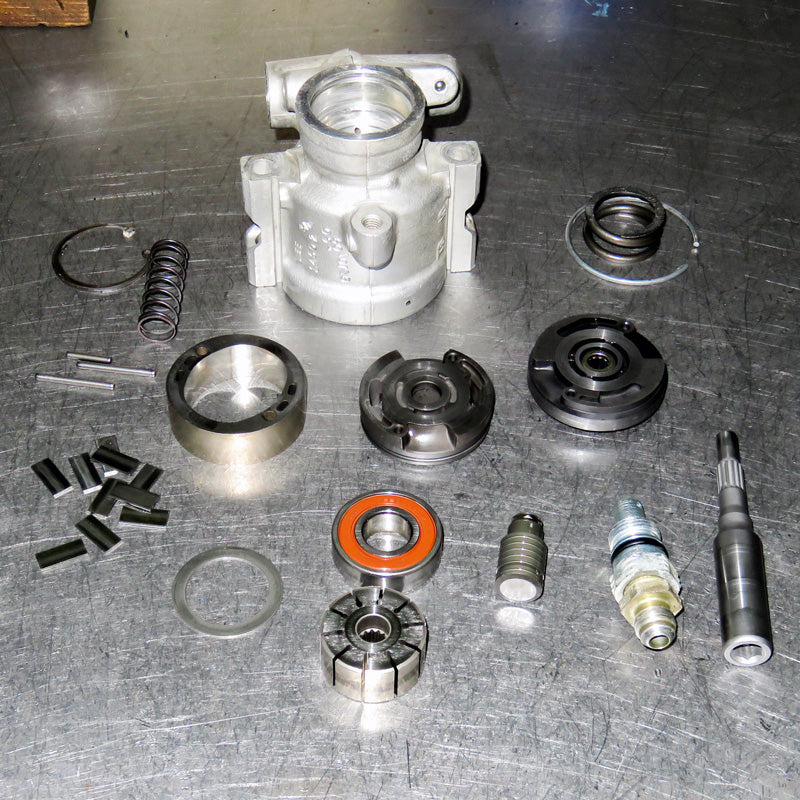
Image Source: leepowersteering.com
Why Rebuild Your Power Steering Pump?
Rebuilding your leaking power steering pump fix is a smart choice for several reasons:
- Cost Savings: A power steering pump rebuild cost is significantly less than buying a new or even a remanufactured pump.
- DIY Satisfaction: There’s a great feeling of accomplishment in fixing something yourself.
- Component Familiarity: You’ll gain a better understanding of your vehicle’s power steering system service and its components.
- Avoiding Core Charges: Some replacement pumps require a core charge, which is refunded upon returning your old pump. Rebuilding eliminates this hassle.
Identifying Problems with Your Power Steering Pump
Before diving into the rebuild, it’s crucial to accurately diagnose the problem. Common signs of a failing power steering pump include:
- Power steering pump noise diagnosis, often a whining or groaning sound, especially when turning the wheel.
- Difficulty steering, particularly at low speeds.
- A leaking power steering pump. Look for fluid leaks around the pump, hoses, or reservoir.
- Foaming power steering fluid.
- Intermittent power steering assistance.
Gathering Your Tools and Supplies
A successful DIY power steering pump rebuild requires the right tools and supplies. Here’s a checklist:
- Power steering pump rebuild kit: This kit typically includes seals, O-rings, and other wear items specific to your pump model.
- Socket set and wrenches (metric or SAE, depending on your vehicle).
- Pliers (regular and needle-nose).
- Screwdrivers (Phillips and flathead).
- Torque wrench.
- Hammer.
- Soft-faced mallet or dead-blow hammer.
- Punch or drift pin.
- Bench vise.
- Safety glasses and gloves.
- Drain pan.
- Clean shop towels or rags.
- Brake cleaner or parts cleaner.
- Power steering fluid (correct type for your vehicle).
- Optional: Power steering pump pulley removal/installation tool.
Power Steering Pump Removal: Step-by-Step Guide
Safely removing the power steering pump is the first major step. Follow these instructions carefully:
- Safety First: Disconnect the negative battery cable to prevent electrical accidents.
- Locate the Pump: Identify the power steering pump in your engine bay. It’s usually driven by a belt and connected to the power steering reservoir.
- Drain the Fluid: Place a drain pan underneath the pump. Disconnect the return hose from the reservoir and direct it into the pan. Turn the steering wheel lock-to-lock several times to help drain the fluid. You can also use a suction tool to remove fluid from the reservoir.
- Disconnect the Hoses: Carefully disconnect the pressure hose and return hose from the pump. Have rags ready to catch any spilled fluid. Note the positions of the hoses for reinstallation.
- Loosen the Belt: Loosen the belt tensioner to remove the drive belt from the power steering pump pulley. Some vehicles have an automatic tensioner, while others require manual adjustment.
- Remove the Pump: Unbolt the pump from its mounting brackets. The number and location of bolts will vary depending on your vehicle.
- Remove the Pulley (If Necessary): Some pumps require you to remove the pulley before rebuilding. Use a power steering pump pulley removal tool for this step to avoid damaging the pulley or pump shaft. If you don’t have the tool, you may be able to rent one from an auto parts store.
Power Steering Pump Disassembly: A Detailed Breakdown
With the pump removed, it’s time to take it apart for rebuilding.
- Clean the Pump: Thoroughly clean the exterior of the pump with brake cleaner or parts cleaner to remove dirt and grime. This will help prevent contaminants from entering the pump during disassembly.
- Secure in Vise: Secure the pump in a bench vise. Use soft jaws or rags to protect the pump housing from damage.
- Follow the Rebuild Kit Instructions: Your steering pump rebuild kit should come with detailed instructions specific to your pump model. Follow these instructions carefully. They will typically involve removing the rear cover, internal components (rotor, vanes, cam ring), and seals.
- Take Pictures: Take pictures of each step of the disassembly process. This will be invaluable when reassembling the pump.
- Inspect the Components: Carefully inspect all internal components for wear, damage, or scoring. Pay close attention to the rotor, vanes, cam ring, and pump shaft. If any components are severely damaged, you may need to replace them.
- Remove Seals and O-Rings: Use a pick or small screwdriver to carefully remove all old seals and O-rings. Be careful not to scratch or damage the pump housing.
Power Steering Pump Rebuild: Assembling the Puzzle
Now for the reassembly, focusing on cleanliness and precision.
- Clean Everything: Clean all pump components thoroughly with brake cleaner or parts cleaner. Ensure there is no dirt, debris, or old fluid residue remaining.
- Lubricate: Lightly lubricate all internal components with fresh power steering fluid before reassembly. This will help prevent damage during initial startup.
- Install New Seals and O-Rings: Install the new seals and O-rings from the power steering pump repair kit. Ensure they are properly seated and oriented. Use a small amount of grease to help them stay in place.
- Reassemble Internal Components: Reassemble the internal components (rotor, vanes, cam ring) in the correct order and orientation, following the instructions in your rebuild kit and your reference photos.
- Install Rear Cover: Install the rear cover, ensuring the O-ring is properly seated. Tighten the cover bolts to the torque specification listed in your rebuild kit or service manual.
- Install Pulley (If Removed): If you removed the pulley, reinstall it using the power steering pump pulley installation tool. Tighten the pulley nut to the specified torque.
Power Steering Pump Installation: Putting It All Back Together
The final stage is reinstalling the rebuilt pump.
- Mount the Pump: Mount the pump back onto its mounting brackets and secure it with the bolts. Tighten the bolts to the specified torque.
- Install the Belt: Reinstall the drive belt onto the power steering pump pulley. Adjust the belt tension to the correct specification.
- Connect the Hoses: Reconnect the pressure hose and return hose to the pump. Ensure the connections are tight and secure. Use new hose clamps if necessary.
- Fill the Reservoir: Fill the power steering reservoir with the correct type of power steering fluid for your vehicle.
- Bleed the System: Bleed the power steering system to remove any air bubbles. This is crucial for proper operation and to prevent damage to the pump. To bleed the system, start the engine and turn the steering wheel lock-to-lock several times. Check the fluid level in the reservoir and add more fluid as needed. Repeat this process until no more air bubbles are visible in the reservoir and the steering feels smooth.
Power Steering Pump Troubleshooting After Rebuild
Even with careful attention, problems can arise after the rebuild. Here’s how to handle them:
- Noise: If you still hear power steering pump noise, especially whining, after the rebuild, it could be due to air in the system, a loose belt, or a faulty component. Re-bleed the system, check the belt tension, and inspect the pump components again.
- Leaks: If you notice fluid leaks after the rebuild, check the hose connections and the pump seals. Tighten the connections and replace any faulty seals.
- Hard Steering: If the steering is still hard after the rebuild, it could be due to a faulty pump, a clogged power steering line, or a problem with the steering gear. Check the lines for obstructions and inspect the steering gear.
- Foaming Fluid: Foaming fluid indicates air is getting into the system. Check all connections for leaks and ensure the reservoir cap is sealing properly.
Estimated Costs: New vs. Rebuild
| Item | Cost |
|---|---|
| New Power Steering Pump | \$150 – \$500+ |
| Remanufactured Pump | \$100 – \$300+ |
| Power Steering Pump Rebuild Kit | \$20 – \$80 |
| Power Steering Fluid | \$10 – \$20 |
| Total DIY Rebuild Cost | \$30 – \$100 |
These are estimated ranges and can vary by vehicle make, model, and parts supplier.
Fathoming Compatibility
- Check Compatibility: Always verify that the steering pump rebuild kit is compatible with your specific vehicle make, model, and year.
- Part Numbers: Cross-reference part numbers to ensure you’re getting the right kit.
- Online Resources: Utilize online automotive forums and databases for compatibility information.
FAQ: Power Steering Pump Rebuild
Q: How long does it take to rebuild a power steering pump?
A: The time required can vary depending on your experience and the complexity of the pump. Expect to spend anywhere from 3 to 6 hours.
Q: What if I’m not comfortable rebuilding the pump myself?
A: If you’re not comfortable with the DIY power steering pump rebuild, you can take it to a professional mechanic. However, keep in mind that this will be more expensive.
Q: Can I reuse the old power steering fluid?
A: No, it’s always recommended to use fresh power steering fluid when rebuilding or replacing a power steering pump.
Q: What are the common causes of power steering pump failure?
A: Common causes include contaminated fluid, low fluid levels, worn seals, and internal component wear.
Q: How often should I service my power steering system?
A: Refer to your vehicle’s owner’s manual for recommended service intervals. Generally, it’s a good idea to flush the power steering fluid every 2-3 years or 30,000-50,000 miles.
By following this guide, you can confidently tackle a power steering pump rebuild and save money while gaining valuable mechanical experience. Remember to prioritize safety, take your time, and consult additional resources if needed. Good luck!

Hi, I’m Sean Kernan, the voice behind esteeringwheel.com.. With a passion for all things automotive, I created this platform to share my journey, insights, and expertise about cars. From the latest tech to timeless driving tips, my goal is to help fellow enthusiasts and everyday drivers navigate the fascinating world of automobiles. Welcome to my corner of the road—let’s steer toward knowledge and discovery together!