Can I replace power steering lines myself? Yes, you can replace power steering lines yourself, but it requires some mechanical skill, the right tools, and careful attention to detail. This guide will provide you with step-by-step instructions, pro tips, and tricks to help you successfully complete a DIY power steering fix and power steering hose replacement.
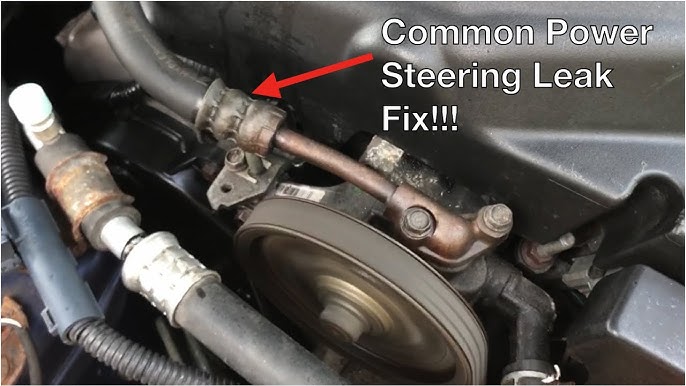
Image Source: i.ytimg.com
Fathoming Power Steering Systems
A power steering system uses hydraulic pressure to help you steer your car more easily. It makes turning the wheel much simpler, especially at low speeds. This system has several parts, and the power steering lines are very important. These lines carry the power steering fluid between different parts of the system. When these lines leak or break, your steering can become stiff and hard to control. Knowing how the system works helps you understand how to fix it.
The Key Players in Your Power Steering System
- Power Steering Pump: This pump creates the pressure needed to help you steer. It’s usually driven by a belt connected to the engine.
- Power Steering Reservoir: This holds the power steering fluid. It’s like a tank for the system’s fluid.
- Power Steering Lines (Hoses): These hoses carry the fluid between the pump, the steering rack, and the reservoir.
- Steering Rack (or Steering Gearbox): This part uses the pressure from the fluid to help turn the wheels.
Types of Power Steering Lines
There are mainly two types of power steering lines:
- Power Steering Pressure Line: This hose carries fluid from the pump to the steering rack. It handles high pressure. A power steering pressure line replacement can be challenging due to tight spaces.
- Return Hose: This hose carries fluid back from the steering rack to the reservoir. It handles lower pressure. A return hose replacement is usually easier than replacing the pressure line.
- Steering Rack Hose: Sometimes these can leak due to corrosion at the crimped connection to the metal lines. Steering rack hose replacement is similar to power steering pressure line replacement.
Spotting Bad Power Steering Hoses: Signs to Watch For
Knowing the signs of bad power steering hoses can help you catch problems early. This can save you from bigger issues and keep your steering working well. A leaking power steering hose is a common problem and should be addressed quickly.
Key Indicators of Failing Power Steering Lines
- Leaking Fluid: Look for red or brown fluid under your car, especially near the front. A leaking power steering hose is a clear sign of a problem.
- Stiff Steering: If your steering wheel is hard to turn, especially at low speeds, it could be a hose issue.
- Noisy Steering: Whining or groaning sounds when you turn the wheel can mean low fluid due to a leak in the power steering system.
- Low Fluid Level: Check your power steering reservoir regularly. If the fluid level is always low, you likely have a leak.
- Visible Damage: Check the hoses for cracks, bulges, or wear. These are signs that the hoses are failing.
What Causes Power Steering Line Failure?
- Age and Wear: Over time, the rubber in the hoses can break down and crack.
- Heat: High engine temperatures can damage the hoses.
- Pressure: The constant pressure of the fluid can weaken the hoses.
- Contamination: Dirt and debris in the fluid can wear down the hoses from the inside.
- Physical Damage: Road debris can hit and damage the hoses.
Preparing for Your Power Steering Hose Replacement
Before you start, make sure you have everything you need. This will make the job smoother and safer. A good plan is key to a successful DIY power steering fix.
Tools You’ll Need
- New Power Steering Hoses: Make sure you get the right hoses for your car’s make and model.
- Wrench Set: You’ll need wrenches to disconnect the old hoses.
- Socket Set: Sockets can be helpful for reaching some hose connections.
- Screwdrivers: You might need screwdrivers to remove clamps.
- Fluid Catch Pan: This will catch the old power steering fluid.
- New Power Steering Fluid: Use the type of fluid recommended in your car’s manual.
- Turkey Baster or Syringe: To remove old fluid from the reservoir.
- Rags or Shop Towels: To clean up spills.
- Safety Glasses: To protect your eyes.
- Gloves: To protect your hands.
- Jack and Jack Stands: To safely lift your car.
- Penetrating Oil: To loosen stubborn connections.
- Hose Removal Tool (Optional): This tool can help remove hoses that are stuck.
- Torque Wrench: To tighten bolts to the correct specification.
Safety First: Important Precautions
- Disconnect the Battery: This prevents any electrical accidents.
- Work in a Well-Ventilated Area: Power steering fluid can be harmful to breathe.
- Wear Safety Glasses and Gloves: Protect your eyes and skin from fluid.
- Use Jack Stands: Never work under a car supported only by a jack.
- Dispose of Old Fluid Properly: Power steering fluid is hazardous waste. Take it to a recycling center.
Step-by-Step: Replacing Your Power Steering Lines
Now, let’s get to the actual process of replacing the power steering lines. Follow these steps carefully for a successful power steering hose replacement.
Step 1: Preparing the Vehicle
- Lift the Car: Use a jack to lift the front of your car and secure it with jack stands. Make sure the car is stable.
- Locate the Power Steering Components: Find the power steering pump, reservoir, steering rack, and hoses.
- Protect Work Area: Place a fluid catch pan under the area where you’ll be working.
Step 2: Draining the Old Fluid
- Remove Old Fluid from Reservoir: Use a turkey baster or syringe to remove as much fluid as possible from the power steering reservoir.
- Disconnect the Return Hose: Loosen the clamp on the return hose where it connects to the reservoir.
- Direct the Hose into the Catch Pan: Carefully pull the hose off the reservoir and let the fluid drain into the catch pan.
Step 3: Removing the Old Power Steering Lines
- Loosen the Fittings: Use a wrench to loosen the fittings on the pressure and return hoses at both ends (pump and steering rack). Penetrating oil can help if they’re stuck.
- Disconnect the Hoses: Carefully disconnect the hoses from the pump and steering rack. Be prepared for some fluid to spill.
- Remove the Old Hoses: Take out the old hoses from the car. Note how they are routed so you can install the new ones the same way.
Step 4: Installing the New Power Steering Lines
- Compare New Hoses: Make sure the new hoses are the same length and shape as the old ones.
- Install the New Hoses: Route the new hoses along the same path as the old ones.
- Connect the Hoses: Attach the new hoses to the power steering pump and steering rack. Tighten the fittings with a wrench. Do not over-tighten.
- Secure the Hoses: Make sure the hoses are securely attached with clamps.
Step 5: Refilling the Power Steering Fluid
- Connect the Return Hose: Reconnect the return hose to the reservoir and secure it with a clamp.
- Fill the Reservoir: Fill the power steering reservoir with new fluid to the “full” mark.
- Bleed the System: With the engine off, turn the steering wheel from lock to lock several times. This helps remove air from the system.
- Check the Fluid Level: Check the fluid level again and add more if needed.
Step 6: Final Checks and Testing
- Start the Engine: Start the engine and let it run for a few minutes.
- Check for Leaks: Inspect all hose connections for leaks.
- Test the Steering: Turn the steering wheel from lock to lock again. Make sure the steering is smooth and easy.
- Check the Fluid Level: Check the fluid level one last time and add more if needed.
- Lower the Car: Carefully lower the car back to the ground.
Pro Tips and Tricks for Replacing Power Steering Lines
Here are some helpful tips to make the job easier and more efficient:
- Take Pictures: Before you remove anything, take pictures of how the hoses are routed. This will help you put the new ones in the right place.
- Use Penetrating Oil: Spray penetrating oil on the fittings a few hours before you start. This will make them easier to loosen.
- Label the Hoses: Label the hoses before you remove them so you know which one goes where.
- Use the Right Tools: Using the right tools can save you a lot of time and frustration.
- Don’t Over-Tighten: Over-tightening the fittings can damage them. Tighten them snugly, but not too tight.
- Check for Kinks: Make sure the hoses are not kinked or bent sharply. This can restrict fluid flow.
- Use New Clamps: Replace the old clamps with new ones to ensure a tight seal.
- Flush the System: Consider flushing the entire power steering system to remove any old fluid and debris.
- Get Help If Needed: If you’re not comfortable doing the job yourself, don’t hesitate to get help from a professional.
The Cost to Replace Power Steering Lines: DIY vs. Professional
The cost to replace power steering lines can vary depending on whether you do it yourself or hire a professional.
DIY Power Steering Line Repair
- Parts: The cost of new power steering hoses and fluid can range from \$50 to \$200, depending on the make and model of your car.
- Tools: If you don’t already have the tools, you might need to spend another \$50 to \$100.
- Time: The job can take anywhere from 2 to 4 hours, depending on your skill level.
- Total Cost: \$100 to \$300
Professional Power Steering Line Repair
- Labor: Labor costs can range from \$100 to \$300, depending on the shop and the complexity of the job.
- Parts: The cost of parts is usually higher at a shop than if you buy them yourself.
- Total Cost: \$200 to \$500
| Item | DIY Cost | Professional Cost |
|---|---|---|
| Parts | \$50-\$200 | \$100-\$300 |
| Labor | \$0 | \$100-\$300 |
| Tools (if needed) | \$50-\$100 | \$0 |
| Total Estimated Cost | \$100-\$300 | \$200-\$500 |
Maintaining Your Power Steering System
To keep your power steering system in good shape, follow these tips:
- Check Fluid Level Regularly: Check the fluid level in the reservoir at least once a month.
- Use the Right Fluid: Use the type of fluid recommended in your car’s manual.
- Flush the System: Flush the system every 2 to 3 years to remove old fluid and debris.
- Inspect Hoses Regularly: Check the hoses for cracks, bulges, or leaks.
- Address Problems Quickly: If you notice any problems, get them fixed right away.
Troubleshooting Common Issues
Sometimes, even after replacing the power steering lines, you might encounter some issues. Here’s how to troubleshoot them:
- Steering Still Stiff: This could be due to air in the system. Try bleeding the system again. Also, check the power steering pump.
- Leaks: Check all hose connections to make sure they’re tight. If you still have leaks, the hoses might be defective.
- Noisy Steering: This could be due to low fluid or a bad power steering pump. Check the fluid level and inspect the pump.
FAQ: Power Steering Line Replacement
Q: How long does it take to replace power steering lines?
A: It can take anywhere from 2 to 4 hours, depending on your experience and the complexity of the job.
Q: Can I drive with a leaking power steering hose?
A: It’s not recommended. Driving with a leak can damage the power steering pump and make steering difficult.
Q: What happens if I don’t replace my power steering lines?
A: If you don’t replace them, the leak will get worse, and your steering will become harder. It can also damage the power steering pump.
Q: How often should I replace my power steering lines?
A: There’s no set schedule, but you should inspect them regularly and replace them if you see any signs of wear or leaks.
Q: What type of power steering fluid should I use?
A: Use the type of fluid recommended in your car’s manual. Using the wrong fluid can damage the system.
By following this guide, you should be well-equipped to handle your power steering hose replacement. Remember to take your time, be careful, and prioritize safety.

Hi, I’m Sean Kernan, the voice behind esteeringwheel.com.. With a passion for all things automotive, I created this platform to share my journey, insights, and expertise about cars. From the latest tech to timeless driving tips, my goal is to help fellow enthusiasts and everyday drivers navigate the fascinating world of automobiles. Welcome to my corner of the road—let’s steer toward knowledge and discovery together!