Why does the steering wheel shake? A shaking steering wheel is often a symptom of a problem with your car’s tires, suspension, or brakes. It can range from a minor annoyance to a serious safety issue. This guide will help you understand the possible causes of steering wheel vibration symptoms, diagnose the problem, and explore potential solutions.
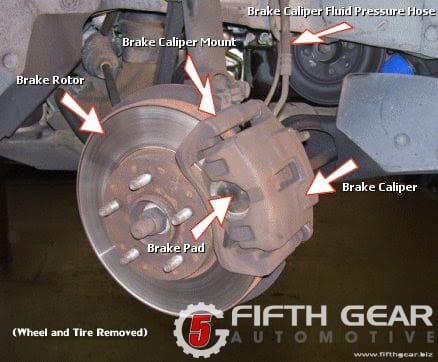
Image Source: fifthgear.biz
Common Steering Wheel Vibration Causes
A shaking steering wheel, often described as a steering wheel shimmy reasons, can stem from various sources. It’s crucial to identify the specific circumstances surrounding the shaking to pinpoint the root cause. Here’s a breakdown of the most common culprits behind car shaking while driving:
- Tire Issues: This is the most frequent reason for steering wheel vibration. Problems can include:
- Unbalanced Tires: Uneven weight distribution in a tire causes it to wobble as it rotates. This is a common cause of unbalanced tires steering wheel shake.
- Tire Wear: Uneven wear patterns, such as cupping or feathering, can lead to vibrations.
- Tire Damage: Bulges, blisters, or sidewall damage can throw off the tire’s balance and cause shaking.
- Tire Pressure: Incorrect tire pressure, especially when significantly different between tires, can contribute to vibrations.
- Wheel Problems: Damage or defects can directly impact the steering:
- Bent Rims: A bent wheel rim, even slightly, can create noticeable vibrations.
- Loose Lug Nuts: Insufficiently tightened lug nuts allow the wheel to wobble. Never ignore this, as it’s a critical safety issue.
- Brake Problems: Issues during braking can lead to a shaking steering wheel, especially if it is steering wheel shaking when braking:
- Warped Brake Rotors: Rotors that are no longer perfectly flat cause pulsations and vibrations when the brake pads clamp down.
- Sticking Calipers: A caliper that’s not releasing properly can cause uneven braking and vibrations.
- Suspension Issues: Problems within the suspension system also cause vibrations:
- Worn Ball Joints: Loose or worn ball joints can introduce play in the steering and suspension, leading to shaking.
- Worn Tie Rod Ends: Similar to ball joints, worn tie rod ends affect steering precision.
- Worn or Damaged Shocks/Struts: Ineffective shocks or struts allow excessive bouncing and vibrations.
- Alignment Issues: Incorrect wheel alignment angles can cause uneven tire wear and vibrations, particularly at higher speeds.
- Drivetrain Problems: Though less common, drivetrain issues can sometimes manifest as steering wheel vibrations:
- Worn CV Joints: Constant velocity (CV) joints allow the drive shafts to transmit power smoothly. When worn, they can cause vibrations, especially during acceleration or turning.
- Imbalanced Driveshaft: In rear-wheel-drive vehicles, an imbalanced driveshaft can cause vibrations felt throughout the car, including the steering wheel.
Deciphering Steering Wheel Vibration Symptoms
Paying attention to the specific characteristics of the vibration is key to accurate steering wheel wobble diagnosis. Ask yourself these questions:
- When does the shaking occur?
- Always: Vibration is constant, regardless of speed or road conditions.
- At specific speeds: Vibration only occurs within a certain speed range, often shaking steering wheel at high speeds (e.g., 40-60 mph).
- When braking: Vibration is felt only when applying the brakes.
- When accelerating: Vibration increases with acceleration.
- When turning: Vibration is more pronounced when turning the steering wheel.
- Where do you feel the vibration?
- Steering wheel only: Vibration is isolated to the steering wheel.
- Steering wheel and seat: Vibration is felt in both the steering wheel and the driver’s seat.
- Entire vehicle: Vibration is felt throughout the whole car.
- What is the intensity of the shaking?
- Slight shimmy: A barely noticeable vibration.
- Moderate shaking: A noticeable vibration that can be felt clearly.
- Violent shaking: A strong, unsettling vibration.
Steering Wheel Shake Troubleshooting: A Step-by-Step Approach
Follow this step-by-step approach for steering wheel shake troubleshooting to narrow down the cause of your steering wheel vibration:
- Visual Inspection of Tires:
- Tire Pressure: Check the tire pressure in all four tires and compare them to the recommended pressure listed on the sticker inside the driver’s side doorjamb. Inflate or deflate tires as needed.
- Tire Wear: Look for uneven wear patterns like cupping (scalloped edges), feathering (sharp edges on the tread blocks), or excessive wear on one side of the tire.
- Tire Damage: Inspect the tires for bulges, blisters, cuts, or embedded objects.
- Wheel Inspection:
- Lug Nuts: Ensure all lug nuts are present and properly tightened. Use a torque wrench to tighten them to the manufacturer’s specification.
- Wheel Condition: Check for visible bends or damage to the wheel rims.
- Test Drive:
- Note the Specifics: Pay close attention to when the vibration occurs (speed, braking, acceleration, turning) and its intensity.
- Brake Inspection (If Vibration Occurs When Braking):
- Visual Inspection: Examine the brake rotors through the wheel spokes for signs of damage, scoring, or excessive rust. Note the thickness of the brake pads.
- Suspension Inspection (If You Suspect Suspension Issues):
- Bounce Test: Push down firmly on each corner of the vehicle and release. The vehicle should rebound once and then settle. Excessive bouncing indicates worn shocks or struts.
- Visual Inspection: Look for signs of damage, leaks, or wear in the suspension components, such as ball joints, tie rod ends, shocks, and struts. (This might require a mechanic)
- Alignment Check (If Uneven Tire Wear is Present or After Replacing Suspension Parts):
- Have the Alignment Checked: Take your vehicle to a qualified mechanic for a wheel alignment.
- CV Joint Inspection (If Vibration Occurs During Acceleration or Turning, Especially in Front-Wheel Drive Vehicles):
- Visual Inspection: Check the CV joint boots for tears or leaks.
- Turning Test: Drive in tight circles in both directions. A clicking or popping sound may indicate a worn CV joint.
Detailed Inspection & Potential Solutions
After the initial troubleshooting, you may need a more detailed inspection. Here are some common problems and their solutions:
1. Unbalanced Tires
- Problem: Uneven weight distribution in the tire/wheel assembly.
- Symptoms: Steering wheel vibration, often noticeable at specific speeds (typically 40-60 mph).
-
Solution: Have your tires professionally balanced at a tire shop. This involves using a machine to identify the heavy spots and adding small weights to the wheel to counteract them.
Tool/Material Purpose Wheel Balancing Machine Identifies weight imbalances in the tire/wheel assembly Wheel Weights Counteract weight imbalances
2. Warped Brake Rotors
- Problem: Brake rotors that are no longer perfectly flat, causing pulsations when braking.
- Symptoms: Steering wheel vibration when braking, often accompanied by a pulsing sensation in the brake pedal.
-
Solution: Have the brake rotors resurfaced (if they are thick enough) or replaced. Also, inspect the brake pads for wear and replace them if necessary.
Tool/Material Purpose Brake Rotor Gauge Measures rotor thickness and runout Brake Pads Provide friction against the rotor to stop the car
3. Worn Ball Joints or Tie Rod Ends
- Problem: Excessive play in the steering and suspension components.
- Symptoms: Loose steering, wandering, clunking noises, and steering wheel vibration.
-
Solution: Replace the worn ball joints or tie rod ends. This is best left to a qualified mechanic, as it involves specialized tools and knowledge.
Tool/Material Purpose Ball Joint Separator Separates the ball joint from the steering knuckle Wrench Set Tightening and loosening fasteners
4. Bent Wheel Rim
- Problem: Damage to the wheel rim, causing it to be out of round.
- Symptoms: Steering wheel vibration, often accompanied by a visual wobble in the wheel.
-
Solution: Repair or replace the bent wheel rim. Minor bends can sometimes be repaired by a wheel repair specialist, but severe damage necessitates replacement.
Tool/Material Purpose Wheel Straightener Tool used by specialist to repair bent rims
5. Misalignment
- Problem: Incorrect wheel alignment angles.
- Symptoms: Uneven tire wear, pulling to one side, and steering wheel vibration.
-
Solution: Have a professional wheel alignment performed. This involves adjusting the suspension angles to ensure proper wheel alignment.
Tool/Material Purpose Alignment Rack Measures and adjusts wheel alignment angles (camber, caster, toe)
6. Worn CV Joints
- Problem: Worn or damaged constant velocity (CV) joints.
- Symptoms: Clicking or popping sounds during turns, vibration during acceleration, and grease leaking from the CV joint boot.
-
Solution: Replace the worn CV joint. This is a complex repair that is best left to a qualified mechanic.
Tool/Material Purpose CV Joint Puller Facilitates removal of the CV joint
7. Loose Lug Nuts
- Problem: Insufficiently tightened lug nuts.
- Symptoms: Steering wheel vibration, clicking or clunking noises, and a feeling of looseness in the wheel.
-
Solution: Immediately tighten the lug nuts to the manufacturer’s specified torque. This is a critical safety issue.
Tool/Material Purpose Torque Wrench Tightens lug nuts to specific torque
Safety Precautions
- Jack Stands: Always use jack stands when working under a vehicle.
- Wheel Chocks: Use wheel chocks to prevent the vehicle from rolling.
- Safety Glasses: Wear safety glasses to protect your eyes.
- Gloves: Wear gloves to protect your hands.
- Torque Wrench: Use a torque wrench to tighten lug nuts to the manufacturer’s specification.
When to Seek Professional Help
While some of the troubleshooting steps can be performed by DIYers, certain repairs require specialized tools, knowledge, and experience. It’s best to consult a qualified mechanic if:
- You are uncomfortable working on your vehicle.
- You are unable to identify the cause of the vibration.
- The repair involves complex procedures, such as replacing ball joints, tie rod ends, or CV joints.
- You suspect a serious problem with your suspension, brakes, or drivetrain.
FAQ – Common Questions
Q: Can unbalanced tires cause a car to shake?
Yes, unbalanced tires are a primary cause of steering wheel shaking and overall car vibration, particularly at highway speeds.
Q: Is it safe to drive with a shaking steering wheel?
Driving with a shaking steering wheel can be unsafe, depending on the cause. A minor imbalance might be tolerable for a short distance, but ignoring it can lead to further damage and potential accidents. Issues like loose lug nuts or severe suspension problems require immediate attention.
Q: How much does it cost to fix a shaking steering wheel?
The cost varies widely depending on the cause. Balancing tires may cost $50-$100. Replacing brake rotors can range from $200-$500 per axle. More complex repairs, such as suspension work, can cost several hundred to over a thousand dollars.
Q: What is the best way to diagnose steering wheel vibration?
Start with a visual inspection of your tires and wheels. Note when the vibration occurs (speed, braking, turning). If the problem persists, consult a qualified mechanic for a thorough inspection.
Q: Can worn shocks cause steering wheel vibration?
Yes, worn shocks and struts can contribute to steering wheel vibration, especially if they allow excessive bouncing and instability.
Q: What does it mean when my steering wheel shakes only when I brake?
This is a strong indicator of warped brake rotors. When the brake pads clamp down on the uneven surface of the rotors, it creates pulsations and vibrations.
By following this comprehensive guide, you can effectively diagnose and address the causes of a shaking steering wheel, ensuring a safer and more comfortable driving experience.

Hi, I’m Sean Kernan, the voice behind esteeringwheel.com.. With a passion for all things automotive, I created this platform to share my journey, insights, and expertise about cars. From the latest tech to timeless driving tips, my goal is to help fellow enthusiasts and everyday drivers navigate the fascinating world of automobiles. Welcome to my corner of the road—let’s steer toward knowledge and discovery together!