Why Is My Power Steering Pump Whining? Causes & Fixes
Is your power steering pump making a whining noise? Yes, that annoying whine likely means something is wrong with your power steering system. This article will explore the common causes of power steering pump noise, how to diagnose the issue, and what you can do to fix it.
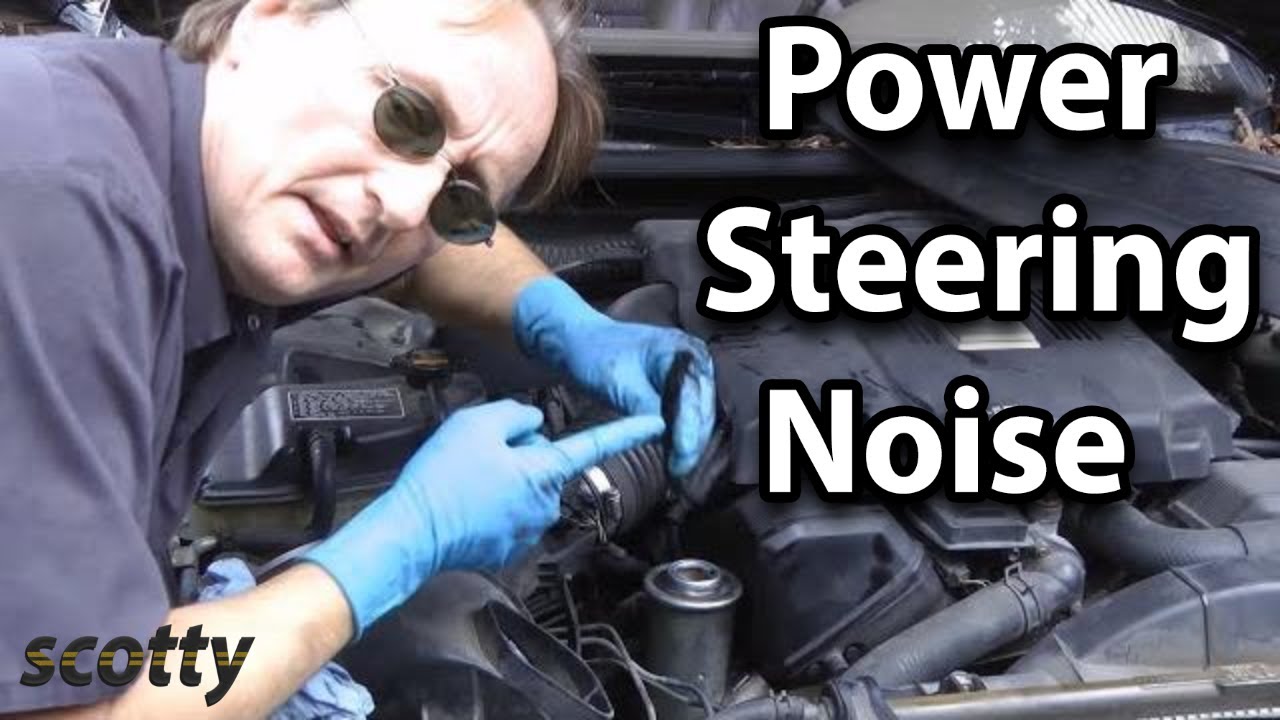
Image Source: i.ytimg.com
Fathoming Power Steering Pump Noise
A whining power steering pump is more than just an annoyance. It signals potential power steering system problems that can lead to reduced steering assistance and, eventually, pump failure. Ignoring this warning sign can result in more expensive repairs down the road. Power steering pump noise diagnosis is crucial for maintaining the performance and safety of your vehicle.
Common Steering Wheel Whine Causes
Several factors can contribute to a whining power steering pump. Here’s a breakdown of the most common culprits:
- Low Power Steering Fluid: This is the most frequent cause. When the fluid level drops, the pump struggles to circulate fluid, causing it to cavitate (form air bubbles) and whine. Low power steering fluid symptoms also include stiff steering and difficulty turning the wheel.
- Air in the System: Air can enter the system due to leaks, loose connections, or improper bleeding after a repair. Air bubbles compress and expand, creating noise and reducing the pump’s effectiveness.
- Contaminated Fluid: Dirt, debris, and metal particles can contaminate the power steering fluid, causing excessive wear and tear on the pump’s internal components. This contamination can lead to a whining noise and eventual pump failure.
- Old or Degraded Fluid: Over time, power steering fluid breaks down and loses its lubricating properties. Old, degraded fluid can cause increased friction and noise within the pump.
- Loose or Worn Belt: The power steering pump is driven by a belt connected to the engine. A loose or worn belt can slip, causing the pump to operate inefficiently and produce a whining sound when turning steering wheel.
- Failing Power Steering Pump: In some cases, the pump itself may be failing due to internal wear and tear. This is more common in older vehicles with high mileage. Power steering pump failure signs include loud whining, stiff steering, and a complete loss of power steering assist.
Power Steering Pump Troubleshooting: A Step-by-Step Guide
Before you rush to replace the pump, follow these troubleshooting steps to pinpoint the source of the whine:
-
Visual Inspection: Begin by visually inspecting the power steering system for any obvious leaks. Check the hoses, pump, reservoir, and steering rack for signs of fluid leakage.
-
Power Steering Fluid Level Check: Open the power steering reservoir and check the fluid level. It should be between the “MIN” and “MAX” markings. If the fluid is low, add the recommended type of power steering fluid.
- Note: Always use the correct type of power steering fluid specified in your vehicle’s owner’s manual. Using the wrong fluid can damage the system.
-
Fluid Condition: Examine the color and condition of the power steering fluid. It should be a clear, reddish-brown color. If the fluid is dark, murky, or contains particles, it needs to be flushed and replaced.
-
Belt Inspection: Inspect the power steering pump belt for cracks, wear, and proper tension. A loose belt can be tightened or replaced. A worn or cracked belt should be replaced immediately.
-
Listen Carefully: With the engine running, listen closely to the power steering pump. Try to pinpoint the exact location of the noise. Does the noise change when you turn the steering wheel? This can help you narrow down the source of the problem.
-
Check for Air: With the engine running, turn the steering wheel from lock to lock several times. Observe the power steering fluid reservoir. If you see bubbles or foam in the fluid, air is likely present in the system.
Table: Troubleshooting Chart
| Symptom | Possible Cause(s) | Action |
|---|---|---|
| Whining noise, low fluid level | Leak in the system | Inspect hoses, pump, rack; Repair leaks, refill fluid |
| Whining noise, air bubbles in fluid | Air in the system | Bleed the system; Check for leaks |
| Whining noise, dark/dirty fluid | Contaminated fluid | Flush and replace power steering fluid |
| Whining noise, loose/worn belt | Loose or worn belt | Tighten or replace the belt |
| Loud whining, stiff steering, no assist | Failing power steering pump | Replace the power steering pump |
| Whining only when turning steering wheel | Low fluid, air in system, or internal pump wear | Check fluid level, bleed system, or consider pump replacement if other causes ruled out |
How to Fix Power Steering Whine
The solution to a whining power steering pump depends on the cause of the problem. Here are some common fixes:
1. Adding or Replacing Power Steering Fluid
If the fluid level is low, simply add the correct type of power steering fluid to the reservoir until it reaches the “MAX” mark. If the fluid is contaminated or old, a complete fluid flush and replacement is recommended.
Steps to Flush and Replace Power Steering Fluid:
- Locate the power steering reservoir and disconnect the return hose (the hose that returns fluid to the reservoir).
- Plug the return port on the reservoir to prevent fluid from leaking out.
- Place the disconnected return hose into a container to collect the old fluid.
- Start the engine and let it run for a few seconds, allowing the old fluid to pump out into the container.
- Turn off the engine and refill the power steering reservoir with fresh fluid.
- Repeat steps 4 and 5 until the fluid coming out of the return hose is clean and new.
- Reconnect the return hose to the reservoir.
- Start the engine and turn the steering wheel from lock to lock several times to bleed the system.
- Check the fluid level and add more fluid if needed.
2. Bleeding the Power Steering System
If air is trapped in the system, you’ll need to bleed it. This process involves removing the air bubbles to restore proper fluid circulation.
Steps to Bleed the Power Steering System:
- Locate the power steering reservoir and remove the cap.
- Start the engine and let it idle.
- Slowly turn the steering wheel from lock to lock several times, pausing briefly at each extreme.
- Observe the fluid in the reservoir for air bubbles.
- Continue turning the steering wheel until no more air bubbles appear in the fluid.
- Check the fluid level and add more fluid if needed.
3. Replacing a Loose or Worn Belt
A loose or worn power steering pump belt can cause slippage and noise.
Steps to Replace the Power Steering Pump Belt:
- Locate the power steering pump belt and identify the tensioner pulley.
- Use a wrench or socket to loosen the tensioner pulley and remove the old belt.
- Install the new belt, making sure it is properly seated on all the pulleys.
- Tighten the tensioner pulley to the correct tension. Consult your vehicle’s repair manual for the specific tension specifications.
- Start the engine and check the belt for proper alignment and tension.
4. Replacing the Power Steering Pump
If the power steering pump is failing, it will need to be replaced. This is a more complex repair that may require professional assistance.
General Steps for Power Steering Pump Replacement:
- Disconnect the battery.
- Drain the power steering fluid.
- Disconnect the hoses connected to the power steering pump.
- Remove the power steering pump belt.
- Unbolt the power steering pump from the engine.
- Install the new power steering pump.
- Reconnect the hoses and belt.
- Refill the power steering fluid.
- Bleed the power steering system.
- Reconnect the battery.
Table: Power Steering Fluid Types
| Fluid Type | Description | Vehicles Typically Used In |
|---|---|---|
| Dexron III/Mercon | Older, widely used ATF suitable for many older power steering systems. | Older GM, Ford, and some import vehicles |
| Dexron VI | Newer, synthetic ATF backward compatible with some Dexron III applications. | Newer GM vehicles, some modern imports |
| PSF-4 | Specifically formulated for Chrysler/Mopar power steering systems. | Chrysler, Dodge, Jeep vehicles |
| Honda PSF | Formulated for Honda and Acura power steering systems. | Honda, Acura vehicles |
| Pentosin CHF 11S | Synthetic hydraulic fluid for European vehicles requiring high performance. | Audi, BMW, Mercedes-Benz, Porsche, Volvo vehicles |
Power Steering Pump Replacement Cost
The power steering pump replacement cost can vary depending on the make and model of your vehicle, the type of pump (new, remanufactured, or used), and the labor rates in your area.
- Power Steering Pump: The cost of a new power steering pump can range from $150 to $500 or more. Remanufactured pumps are typically less expensive, while high-performance pumps can be more costly.
- Labor: Labor costs can range from $150 to $400 or more, depending on the complexity of the job and the shop’s hourly rate.
- Total Cost: The total cost of power steering pump replacement can range from $300 to $900 or more.
It’s always a good idea to get quotes from several different repair shops to compare prices. Ask for a detailed breakdown of the costs, including the price of the pump and the labor charges.
Preventing Power Steering Pump Problems
Preventive maintenance can help extend the life of your power steering pump and prevent costly repairs. Here are some tips:
- Check the Fluid Level Regularly: Check the power steering fluid level at least once a month and top it off as needed.
- Flush the Fluid Periodically: Follow your vehicle manufacturer’s recommended maintenance schedule for flushing and replacing the power steering fluid.
- Inspect the Belt Regularly: Check the power steering pump belt for wear and tear and replace it as needed.
- Address Leaks Promptly: If you notice any leaks in the power steering system, have them repaired as soon as possible.
- Use the Correct Fluid: Always use the type of power steering fluid recommended in your vehicle’s owner’s manual.
Power Steering System Problems Beyond the Pump
While the power steering pump is often the source of noise, other components in the system can also contribute.
- Steering Rack Issues: Internal wear or damage to the steering rack can cause noise and stiffness in the steering.
- Hoses: Collapsed or kinked power steering hoses can restrict fluid flow and cause the pump to work harder, leading to noise.
- Reservoir: A cracked or damaged reservoir can leak fluid and allow air to enter the system.
FAQ: Power Steering Pump Whine
-
Can I drive with a whining power steering pump? It’s not recommended. A whining pump indicates a problem that could lead to pump failure and loss of power steering assist. This could make steering difficult and dangerous.
-
What happens if I ignore a whining power steering pump? Ignoring the problem can lead to further damage to the power steering system and eventual pump failure. This can result in more expensive repairs and a potential safety hazard.
-
Can I add power steering fluid myself? Yes, adding power steering fluid is a simple task that most car owners can do themselves. Just make sure to use the correct type of fluid and follow the instructions in your vehicle’s owner’s manual.
-
When should I replace my power steering pump? Replace the power steering pump if it is making loud noises, causing stiff steering, or failing to provide adequate power steering assist. Also, replace it if you find metal shavings in the power steering fluid.
-
Is it difficult to replace a power steering pump myself? Replacing a power steering pump can be a complex repair that requires mechanical skills and specialized tools. If you are not comfortable working on your vehicle, it’s best to have it done by a qualified mechanic.

Hi, I’m Sean Kernan, the voice behind esteeringwheel.com.. With a passion for all things automotive, I created this platform to share my journey, insights, and expertise about cars. From the latest tech to timeless driving tips, my goal is to help fellow enthusiasts and everyday drivers navigate the fascinating world of automobiles. Welcome to my corner of the road—let’s steer toward knowledge and discovery together!