Steering wheel shake at high speeds, when braking, or even at idle can indicate a variety of problems. It’s crucial to determine the specific vehicle steering wheel shaking reasons promptly to prevent them from worsening and leading to costly repairs. This article explores common steering wheel vibration causes, providing troubleshooting steps to help you diagnose and address the issue effectively.
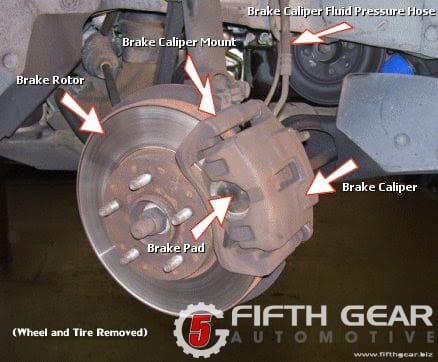
Image Source: fifthgear.biz
Deciphering Steering Wheel Shaking: An Overview
Car steering wheel wobbling isn’t just annoying; it’s a sign that something isn’t right with your vehicle. Identifying the source of the shake is the first step toward restoring a smooth, safe ride. We’ll explore common causes, from simple tire imbalances to more complex suspension issues.
Steering Wheel Shaking Reasons: Common Culprits
Several factors can contribute to a shaking steering wheel. Here’s a breakdown of the most frequent causes:
1. Tire Imbalance
What it is: Uneven weight distribution around a tire’s circumference.
Why it causes shaking: As the tire rotates, the imbalance creates vibrations that are felt through the steering wheel, especially at higher speeds.
How to diagnose: The steering wheel shake at high speeds is usually the first sign. Visit a tire shop for professional balancing.
Troubleshooting:
- Visual inspection: Look for uneven wear, bulges, or damage.
- Road test: Note the speed at which the shaking becomes noticeable.
- Professional balancing: Have your tires balanced by a qualified technician.
2. Wheel Misalignment
What it is: When the wheels are not aligned according to the manufacturer’s specifications.
Why it causes shaking: Incorrect alignment puts stress on the tires, suspension components, and steering system, leading to vibrations.
How to diagnose: Steering wheel shake, uneven tire wear, and pulling to one side are common steering wheel shaking symptoms.
Troubleshooting:
- Visual inspection: Check for uneven tire wear patterns.
- Road test: See if the car pulls to one side.
- Professional alignment: Get a wheel alignment at a reputable shop.
3. Worn or Damaged Tires
What it is: Tires with uneven wear, bulges, or sidewall damage.
Why it causes shaking: Damaged or worn tires can’t maintain proper balance and contact with the road, causing vibrations.
How to diagnose: Inspect tires for visible damage, uneven wear patterns, or low tread depth.
Troubleshooting:
- Visual inspection: Look for cuts, bulges, or uneven wear.
- Tread depth check: Use a tread depth gauge to measure the tread.
- Tire replacement: Replace worn or damaged tires.
4. Bent Wheel Rim
What it is: A wheel rim that is deformed or out of round.
Why it causes shaking: A bent rim disrupts the tire’s ability to roll smoothly, creating vibrations.
How to diagnose: A noticeable wobble in the wheel while driving, often accompanied by a vibration.
Troubleshooting:
- Visual inspection: Look for bends or dents in the rim.
- Professional inspection: Have a tire shop inspect the rim on a balancing machine.
- Rim repair or replacement: Repair or replace the bent rim.
5. Issues with Brakes
What it is: Warped rotors, worn brake pads, or damaged calipers.
Why it causes shaking: Steering wheel shaking when braking is a clear indicator. Warped rotors cause vibrations as the brake pads clamp down.
How to diagnose: Steering wheel shake when braking is the primary symptom.
Troubleshooting:
- Brake inspection: Check brake pads, rotors, and calipers for wear or damage.
- Rotor resurfacing or replacement: Have warped rotors resurfaced or replaced.
- Brake pad replacement: Replace worn brake pads.
6. Suspension Problems
What it is: Worn or damaged suspension components like ball joints, tie rod ends, or struts.
Why it causes shaking: Suspension components maintain vehicle stability and tire contact with the road. When they fail, vibrations are transmitted through the steering wheel.
How to diagnose: Clunking noises when driving over bumps, loose steering, and uneven tire wear.
Troubleshooting:
- Suspension inspection: Check ball joints, tie rod ends, struts, and control arms for wear or damage.
- Professional diagnosis: Have a mechanic inspect the suspension system.
- Component replacement: Replace worn or damaged suspension components.
7. Loose or Worn Wheel Bearings
What it is: Wheel bearings that are loose or worn out, causing excessive play in the wheel hub.
Why it causes shaking: Loose wheel bearings allow the wheel to wobble, creating vibrations that are felt in the steering wheel.
How to diagnose: A grinding or humming noise from the wheels, along with excessive play when the wheel is rocked back and forth.
Troubleshooting:
- Wheel bearing check: Jack up the car and try to wiggle the wheel. Excessive play indicates worn bearings.
- Professional inspection: Have a mechanic inspect the wheel bearings.
- Wheel bearing replacement: Replace worn wheel bearings.
8. Issues with the Driveshaft (RWD/4WD Vehicles)
What it is: A bent, unbalanced, or damaged driveshaft.
Why it causes shaking: The driveshaft transmits power from the engine to the rear wheels. Imbalances cause vibrations throughout the vehicle, including the steering wheel.
How to diagnose: Vibrations that increase with speed, particularly noticeable in the floorboards or seats.
Troubleshooting:
- Visual inspection: Check the driveshaft for dents, bends, or damage.
- Professional inspection: Have a mechanic inspect the driveshaft for balance and alignment.
- Driveshaft repair or replacement: Repair or replace the damaged driveshaft.
9. Engine Mount Problems
What it is: Deteriorated or broken engine mounts.
Why it causes shaking: Engine mounts secure the engine to the frame. When they fail, engine vibrations are transferred to the chassis and steering wheel, especially at idle or low speeds.
How to diagnose: Excessive engine movement, vibrations at idle, and clunking noises when accelerating or decelerating.
Troubleshooting:
- Visual inspection: Check the engine mounts for cracks, tears, or collapse.
- Engine movement test: Observe engine movement while revving the engine.
- Engine mount replacement: Replace worn or broken engine mounts.
10. Power Steering Issues
What it is: Problems with the power steering pump, fluid, or lines.
Why it causes shaking: While less common, issues with the power steering system can sometimes manifest as vibrations in the steering wheel.
How to diagnose: Difficulty steering, whining noises from the power steering pump, and air in the power steering fluid.
Troubleshooting:
- Power steering fluid check: Check the fluid level and condition.
- Power steering pump inspection: Listen for unusual noises from the pump.
- Power steering system flush: Flush and refill the power steering fluid.
Steering Wheel Shaking Diagnosis: A Step-by-Step Approach
A systematic approach to vehicle steering wheel shaking diagnosis can save you time and money. Follow these steps:
- Note the Conditions: When does the shaking occur (at certain speeds, when braking, at idle)?
- Visual Inspection: Check tires for wear and damage, look for bent rims, and inspect the suspension components.
- Road Test: Pay attention to the severity and frequency of the shaking. Does it worsen with speed? Does it pull to one side?
- Professional Inspection: If the problem persists, take your vehicle to a qualified mechanic for a thorough inspection.
Vehicle Steering Wheel Shaking: Prevention is Key
Preventative maintenance can help avoid many of the steering wheel vibration causes.
- Regular Tire Maintenance: Rotate and balance your tires every 5,000-7,000 miles.
- Wheel Alignment: Get a wheel alignment check at least once a year or after hitting a major pothole.
- Brake Service: Inspect your brakes regularly and replace worn pads or rotors.
- Suspension Check: Have your suspension system inspected periodically, especially if you notice any unusual noises or handling issues.
Table: Common Steering Wheel Vibration Causes and Solutions
| Cause | Symptoms | Solution |
|---|---|---|
| Tire Imbalance | Steering wheel shake at high speeds | Tire balancing |
| Wheel Misalignment | Steering wheel shake, uneven tire wear, pulling to one side | Wheel alignment |
| Worn Tires | Steering wheel shake, poor handling, low tread depth | Tire replacement |
| Bent Wheel Rim | Steering wheel wobble, vibration | Rim repair or replacement |
| Warped Brake Rotors | Steering wheel shaking when braking | Rotor resurfacing or replacement |
| Suspension Problems | Clunking noises, loose steering, uneven tire wear | Suspension component replacement |
| Loose Wheel Bearings | Grinding noise, wheel wobble | Wheel bearing replacement |
| Driveshaft Problems | Vibration that increases with speed (RWD/4WD) | Driveshaft repair or replacement |
| Engine Mount Problems | Vibration at idle, excessive engine movement | Engine mount replacement |
| Power Steering Issues | Difficulty steering, whining noise, air in fluid | Power steering system flush or component replacement |
Steering Wheel Shaking Troubleshooting: DIY Tips
While some repairs require professional expertise, here are a few things you can try yourself:
- Check Tire Pressure: Ensure your tires are properly inflated.
- Inspect Tires: Look for visible damage or uneven wear.
- Tighten Lug Nuts: Make sure your lug nuts are properly torqued.
- Clean Wheels: Remove any dirt or debris that could be causing an imbalance.
What Causes Steering Wheel Vibration? It’s More Than One Thing
Ultimately, determining the exact cause of your steering wheel vibration requires careful observation and, often, professional help. Don’t ignore the warning signs; addressing the issue promptly can prevent more serious and expensive repairs down the road.
FAQ: Steering Wheel Shaking
What is the first thing I should check if my steering wheel is shaking?
The first thing to check is your tire pressure. Underinflated tires can sometimes cause vibrations.
Can I drive with a shaking steering wheel?
While you can drive with a shaking steering wheel, it’s not recommended. It indicates a problem that could worsen, potentially leading to a safety hazard. Get it checked by a mechanic as soon as possible.
Who is qualified to diagnose and fix steering wheel shaking?
A qualified mechanic specializing in suspension, tires, and brakes is best suited to diagnose and fix steering wheel shaking. They have the tools and expertise to identify the root cause and perform the necessary repairs.
What is the average cost to fix steering wheel shaking?
The cost varies widely depending on the cause. Tire balancing might cost around $50-$100, while replacing a warped rotor or suspension component could range from $200-$500 or more per part. A thorough diagnosis is essential to get an accurate estimate.
Can bad alignment cause steering wheel vibration?
Yes, absolutely. Wheel misalignment is a common cause of steering wheel vibration, especially at higher speeds. It also leads to uneven tire wear.

Hi, I’m Sean Kernan, the voice behind esteeringwheel.com.. With a passion for all things automotive, I created this platform to share my journey, insights, and expertise about cars. From the latest tech to timeless driving tips, my goal is to help fellow enthusiasts and everyday drivers navigate the fascinating world of automobiles. Welcome to my corner of the road—let’s steer toward knowledge and discovery together!