Can I install hydraulic steering on my boat myself? Yes, you can install hydraulic steering on your boat yourself! While it requires some mechanical aptitude and patience, installing boat steering yourself can save you a significant amount of money compared to professional installation. This comprehensive guide provides a detailed walkthrough of the entire process, from selecting the right marine hydraulic steering system to bleeding the system for optimal performance.
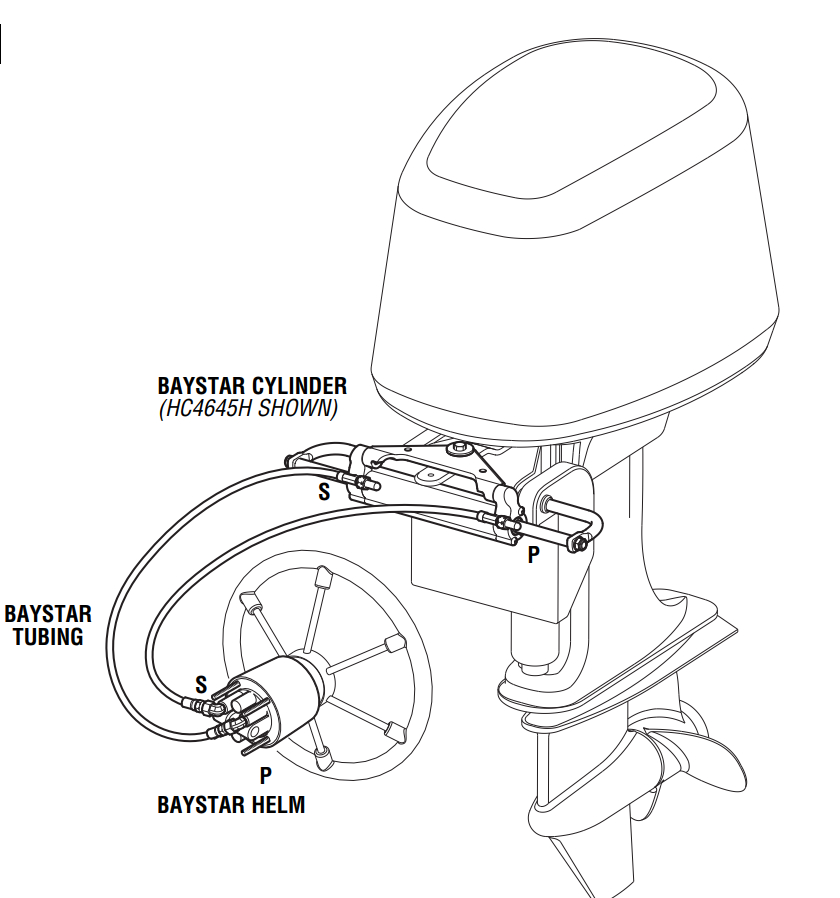
Image Source: features.boats.com
Is Boat Hydraulic Steering Installation Right for Me?
Before diving into the boat steering upgrade guide, let’s determine if hydraulic steering is the right choice for your boat. Hydraulic steering offers several advantages over traditional cable steering systems, particularly for larger or faster boats.
- Effortless Steering: Hydraulic systems provide power assistance, making steering significantly easier, especially at higher speeds.
- Reduced Feedback: Hydraulic steering dampens engine and wave feedback, resulting in a smoother and more comfortable driving experience.
- Increased Reliability: Hydraulic systems are less prone to wear and tear compared to cable systems, leading to longer lifespan and fewer maintenance requirements.
- Ideal for Larger Boats: Recommended for boats over 22 feet or with larger horsepower engines where cable steering becomes difficult.
However, hydraulic steering systems are more complex and expensive than cable systems. They also require careful installation and occasional maintenance. Consider your boat size, engine power, and budget when making your decision.
Gathering Your Supplies: Choosing the Right Hydraulic Steering Kit for Boats
Choosing the right boat hydraulic steering installation kit is crucial for a successful DIY project. A typical kit includes the following components:
- Hydraulic Helm Pump: This is the heart of the system, providing the hydraulic pressure needed for steering. Select a helm pump with the appropriate displacement (measured in cubic inches per revolution) for your boat’s size and steering requirements. Larger boats generally require larger displacement pumps.
- Hydraulic Steering Cylinder: This cylinder converts hydraulic pressure into linear motion, which then turns the rudder or outboard engine. Choose a cylinder with the correct stroke length and mounting style for your boat.
- Hydraulic Hoses: These hoses connect the helm pump to the steering cylinder. Ensure the hoses are marine-grade and of the correct length. Pre-made hose kits are convenient.
- Hydraulic Fluid: Use only the hydraulic fluid recommended by the manufacturer. Different fluids have different viscosity and compatibility properties.
- Fittings: Various fittings are required to connect the hoses to the helm pump and steering cylinder. Ensure the fittings are marine-grade and compatible with the hoses and components.
- Mounting Hardware: The kit should include all necessary mounting hardware, such as bolts, nuts, and brackets.
- Bleeding Kit: Essential for removing air from the system after installation.
- Installation Manual: Follow it carefully.
When selecting a kit, consider the following factors:
- Boat Size and Type: Choose a kit specifically designed for your boat’s size and type (e.g., outboard, inboard, sterndrive).
- Engine Horsepower: Select a kit rated for the horsepower of your engine.
- Steering Wheel Size: Ensure the helm pump is compatible with your steering wheel size.
- Manufacturer Reputation: Opt for a reputable manufacturer known for quality and reliability.
You will also need the following tools:
- Wrenches and Sockets: A variety of sizes for tightening fittings and hardware.
- Screwdrivers: Both flathead and Phillips head screwdrivers.
- Drill: With various drill bits for mounting components.
- Hose Cutter: For cutting hydraulic hoses.
- Tape Measure: For accurate measurements.
- Pliers: For various tasks.
- Fluid Collection Pan: To catch any spilled hydraulic fluid.
- Rags: For cleaning up spills.
- Safety Glasses: To protect your eyes.
Step-by-Step Guide: Installing Boat Steering Yourself
Follow these steps for a successful boat hydraulic steering installation:
1. Removing the Old Steering System (Boat Steering System Replacement)
- Disconnect the Battery: Disconnect the negative battery cable to prevent any electrical shorts.
- Remove the Steering Wheel: Loosen the nut holding the steering wheel in place and remove the wheel. A steering wheel puller may be required.
- Disconnect the Steering Cable: Disconnect the steering cable from the engine or rudder linkage.
- Remove the Steering Cable and Helm: Remove the steering cable from the boat, pulling it out from the helm. Then, remove the old helm from the dashboard.
- Clean the Area: Clean the dashboard and any other areas where you will be installing new components.
2. Mounting the Hydraulic Helm Pump (Hydraulic Helm Pump Installation Boat)
- Choose a Location: Select a suitable location on the dashboard for the helm pump. Ensure there is enough space behind the dashboard for the pump and hose connections.
- Drill Mounting Holes: Use the helm pump as a template to mark the mounting holes on the dashboard. Drill the holes using a drill bit of the correct size.
- Mount the Helm Pump: Secure the helm pump to the dashboard using the provided mounting hardware. Tighten the bolts securely.
3. Installing the Hydraulic Steering Cylinder (Hydraulic Steering Cylinder Installation)
- Determine the Mounting Location: Identify the correct mounting location for the steering cylinder on the engine or rudder linkage. Follow the manufacturer’s instructions for your specific boat and engine type.
- Install Mounting Brackets: Install any necessary mounting brackets to the engine or rudder linkage. Ensure the brackets are securely attached.
- Attach the Steering Cylinder: Attach the steering cylinder to the mounting brackets using the provided hardware. Ensure the cylinder is properly aligned and moves freely.
- Connect the Steering Linkage: Connect the steering cylinder’s push-pull rod to the engine or rudder linkage. Adjust the linkage as needed to ensure proper steering geometry.
4. Running the Hydraulic Hoses
- Measure Hose Lengths: Carefully measure the required length of the hydraulic hoses from the helm pump to the steering cylinder. Add a few extra inches to allow for slack.
- Cut the Hoses: Use a hose cutter to cut the hoses to the correct length. Ensure the cuts are clean and square.
- Install Fittings: Install the appropriate fittings on the ends of the hoses. Follow the manufacturer’s instructions for installing fittings. Proper installation is crucial to prevent leaks.
- Route the Hoses: Route the hoses from the helm pump to the steering cylinder, avoiding sharp bends or kinks. Secure the hoses to the boat’s structure using cable ties or hose clamps.
- Connect the Hoses: Connect the hoses to the helm pump and steering cylinder, tightening the fittings securely. Avoid over-tightening, which can damage the fittings.
5. Filling and Bleeding the Hydraulic System (Bleeding Hydraulic Steering System Boat)
- Fill the System: Fill the helm pump reservoir with the recommended hydraulic fluid.
- Bleed the System: Bleeding the system is crucial to remove air and ensure proper operation. Follow the bleeding procedure outlined in the manufacturer’s instructions. A typical procedure involves:
- Opening the bleeder valves on the steering cylinder.
- Turning the steering wheel from lock to lock, adding fluid to the reservoir as needed.
- Closing the bleeder valves when all air bubbles are gone.
- Check for Leaks: After bleeding the system, carefully check all fittings and connections for leaks. Tighten any leaking fittings.
- Repeat as Necessary: Repeat the bleeding process as necessary until all air is removed from the system and the steering feels smooth and responsive.
Here is a table summarizing common issues during bleeding and their solutions:
| Issue | Possible Cause | Solution |
|---|---|---|
| Persistent Air Bubbles | Air Leak in Fittings | Check and tighten all fittings. Replace if necessary. |
| Soft or Spongy Steering | Air in the System | Repeat bleeding process more thoroughly. |
| Fluid Leaks | Loose or Damaged Fittings | Tighten fittings. Replace damaged fittings or hoses. |
| Difficulty Turning | Obstruction in the System | Check for kinks in hoses. Ensure cylinder is properly aligned and moves freely. |
| Uneven Steering | Uneven Fluid Levels | Ensure the helm reservoir is consistently full during bleeding. |
6. Testing the System
- Reconnect the Battery: Reconnect the negative battery cable.
- Start the Engine: Start the engine and check the steering system.
- Test Steering Range: Turn the steering wheel from lock to lock, ensuring the engine or rudder moves smoothly and freely throughout the full range of motion.
- Check for Binding: Check for any binding or resistance in the steering system. If you encounter any binding, inspect the installation for any obstructions or misalignment.
- Sea Trial: Conduct a sea trial to test the steering system under real-world conditions. Check the steering at various speeds and in different sea conditions.
Important Considerations & Tips for DIY Hydraulic Steering Boat
- Read the Manual: Always read and follow the manufacturer’s instructions carefully.
- Take Your Time: Don’t rush the installation process. Take your time and pay attention to detail.
- Get Help: If you are unsure about any aspect of the installation, seek help from a qualified marine mechanic.
- Use Marine-Grade Products: Use only marine-grade hydraulic fluid, hoses, and fittings.
- Proper Hose Routing: Proper hose routing is essential to prevent kinks and leaks.
- Secure Connections: Ensure all fittings and connections are securely tightened.
- Regular Maintenance: Perform regular maintenance on the hydraulic steering system, including checking the fluid level and inspecting for leaks.
Cost Savings: How Much Can You Save by Doing It Yourself?
The cost of professional boat hydraulic steering installation can vary depending on the boat size, engine type, and complexity of the installation. However, it typically ranges from $500 to $1500 or more, including labor.
By installing the hydraulic steering system yourself, you can save a significant amount of money on labor costs. A typical hydraulic steering kit for a boat costs between $300 and $1000, depending on the size and quality of the components. Therefore, by doing it yourself, you can potentially save hundreds of dollars.
Frequently Asked Questions (FAQ)
- What size hydraulic steering system do I need? The size of the hydraulic steering system depends on the size and type of your boat, as well as the horsepower of your engine. Consult the manufacturer’s guidelines or a qualified marine mechanic for recommendations.
- How often should I bleed my hydraulic steering system? Bleed the system whenever you notice air bubbles or spongy steering. Also, bleed the system after any maintenance or repairs.
- What type of hydraulic fluid should I use? Use only the hydraulic fluid recommended by the manufacturer. Different fluids have different viscosity and compatibility properties.
- Can I use automotive hydraulic fluid in my boat’s steering system? No, do not use automotive hydraulic fluid in your boat’s steering system. Automotive fluid can damage the seals and components of the marine hydraulic steering system.
- What do I do if I have a leak in my hydraulic steering system? Identify the source of the leak and tighten the fitting or replace the hose or component as needed.
- How do I know if my hydraulic steering cylinder is bad? Symptoms of a bad hydraulic steering cylinder include leaks, difficulty steering, and uneven steering.
- How do I troubleshoot a boat steering system that is hard to steer? Check the fluid level, bleed the system, and inspect for leaks or obstructions.
- Is it hard to steer my boat with hydraulic steering? No, a properly installed and maintained hydraulic steering system should make steering easier and more comfortable, especially at higher speeds.
Unlock the secrets to a smoother ride and slash installation costs by tackling your boat’s hydraulic steering upgrade with this detailed manual and a patient approach. Safety remains paramount – if uncertainty strikes, don’t hesitate to call in a seasoned marine pro. Soon, you’ll be gliding through the water with newfound ease and control!

Hi, I’m Sean Kernan, the voice behind esteeringwheel.com.. With a passion for all things automotive, I created this platform to share my journey, insights, and expertise about cars. From the latest tech to timeless driving tips, my goal is to help fellow enthusiasts and everyday drivers navigate the fascinating world of automobiles. Welcome to my corner of the road—let’s steer toward knowledge and discovery together!