Yes, cold weather can definitely affect your power steering system. This can lead to a variety of issues, from stiff steering to complete power steering failure. Let’s explore how cold temperatures impact your power steering and what you can do to prevent problems.
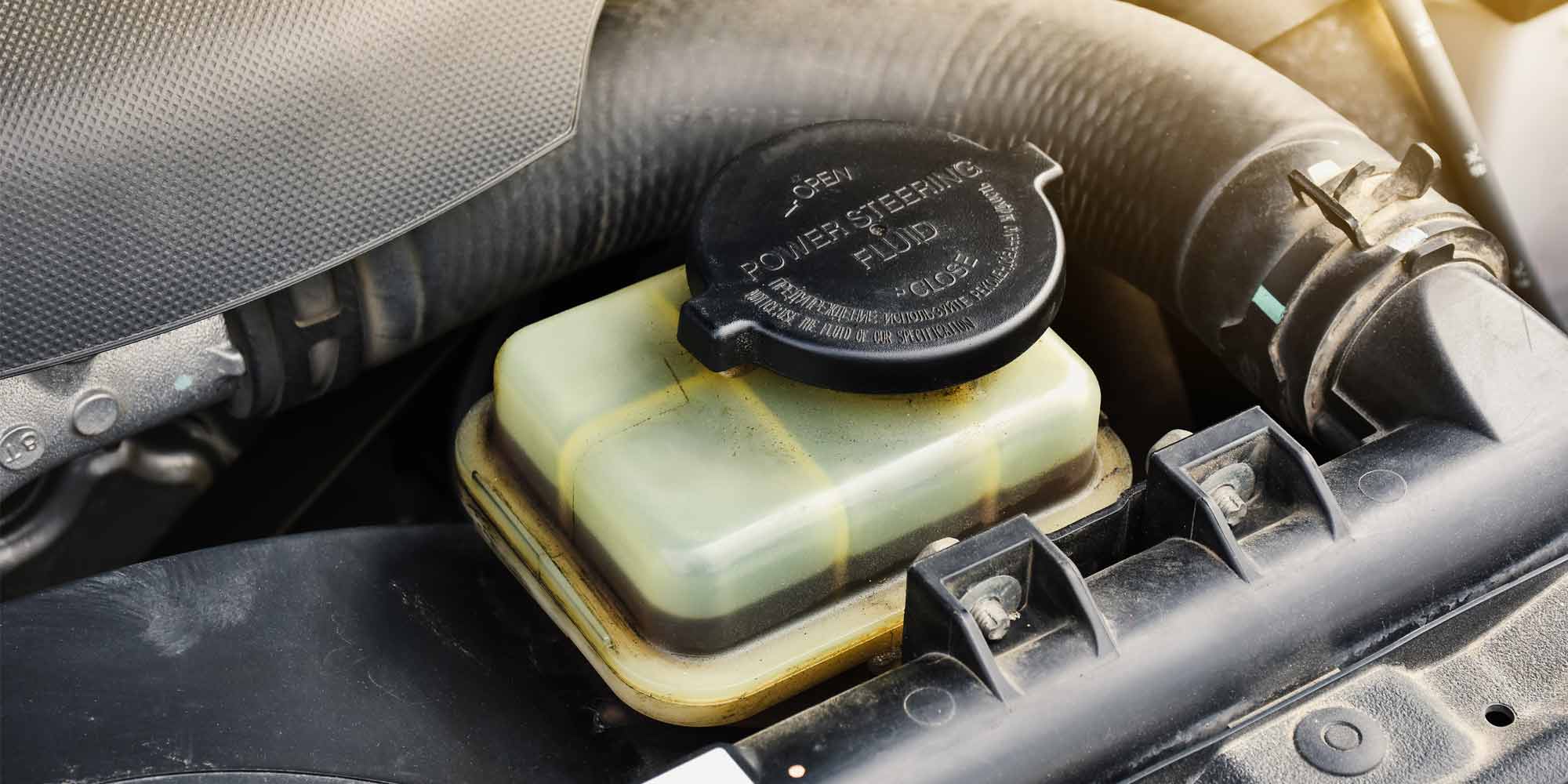
Image Source: www.pscmotorsports.com
The Chilling Effect: How Cold Impacts Power Steering
Cold weather affects many parts of your car, and the power steering system is no exception. The system relies on fluid to operate smoothly. When temperatures drop, this fluid can become thick, creating several potential problems. This impacts power steering performance in cold conditions.
Thickening Fluid: The Primary Culprit
The main reason for cold weather power steering problems is the change in viscosity (thickness) of the power steering fluid.
- Increased Viscosity: Cold temperatures cause the fluid to thicken, making it harder for the power steering pump to circulate it properly. Think of it like trying to pump thick syrup versus water.
- Reduced Lubrication: Thickened fluid doesn’t lubricate the power steering components as effectively. This can lead to increased friction and wear on parts like the pump, hoses, and steering rack.
Other Contributing Factors
Beyond fluid viscosity, other factors can exacerbate cold temperature steering difficulties:
- Contaminants in the Fluid: Over time, power steering fluid can accumulate moisture, dirt, and debris. Cold weather can cause these contaminants to clump together, further restricting fluid flow.
- Worn or Damaged Components: Parts weakened by age or wear are more susceptible to problems in cold weather. For example, a slightly leaky hose might become significantly worse when the rubber shrinks in the cold.
- Air in the System: Air bubbles in the power steering system can compress and expand with temperature changes, causing erratic steering behavior. Cold weather makes it harder for air to bleed out of the system.
Decoding the Symptoms: Recognizing Power Steering Issues in Cold Weather
It’s important to recognize the signs of power steering system cold weather effects so you can address the problem before it leads to more serious damage. Here are some common symptoms:
Steering Stiff in Cold Weather
One of the most noticeable signs is steering stiff in cold weather, especially during the first few minutes of driving.
- Increased Effort: You might find that you need to use more force to turn the steering wheel, particularly at low speeds or when parking.
- Delayed Response: The steering might feel sluggish or unresponsive, especially immediately after starting the engine.
Noisy Power Steering Pump
The power steering pump cold weather performance can be a key indicator.
- Whining or Groaning: A whining or groaning noise from the power steering pump, especially when turning the wheel, can indicate that the pump is struggling to circulate the thick fluid.
- Increased Noise at Startup: The noise might be more pronounced when the engine is cold and diminish as the engine warms up.
Jerky or Erratic Steering
- Inconsistent Assistance: The power steering assistance might feel uneven, with periods of normal assistance followed by moments of stiffness.
- Shaking or Vibration: You might feel a shaking or vibration in the steering wheel, particularly when turning.
Fluid Leaks
Cold weather can worsen existing leaks.
- Visible Leaks: Check for puddles of power steering fluid under your car, especially near the power steering pump, hoses, or steering rack.
- Decreasing Fluid Level: Monitor the power steering fluid reservoir and check for a drop in fluid level.
Diagnosing the Problem: What’s Causing Your Steering Woes?
If you’re experiencing any of the symptoms above, it’s time to investigate the potential causes of your winter power steering failure.
Checking the Power Steering Fluid
The first step is to inspect the power steering fluid.
- Locate the Reservoir: Find the power steering fluid reservoir, usually a small plastic container with a cap marked with a steering wheel icon.
- Check the Fluid Level: Ensure the fluid level is within the “min” and “max” lines on the reservoir. Add fluid if necessary, using the correct type specified in your owner’s manual.
- Inspect the Fluid’s Condition: The fluid should be clear and free of contaminants. If it’s dark, murky, or contains particles, it’s time for a fluid flush.
Inspecting for Leaks
- Visual Inspection: Examine the power steering pump, hoses, steering rack, and connections for any signs of leaks.
- Cardboard Test: Place a piece of cardboard under your car overnight and check for fluid drips in the morning.
Listening for Noises
- Start the Engine: With the engine running, listen for any unusual noises coming from the power steering pump.
- Turn the Steering Wheel: Slowly turn the steering wheel from lock to lock and listen for changes in the noise level.
Professional Diagnosis
If you’re unable to identify the problem yourself, it’s best to take your car to a qualified mechanic for a professional diagnosis. They can use specialized tools and equipment to pinpoint the issue.
Solutions and Prevention: Keeping Your Steering Smooth
Once you’ve identified the problem, you can take steps to address it and prevent future cold weather power steering problems.
Power Steering Fluid Flush
A power steering fluid flush involves completely replacing the old fluid with fresh fluid. This can remove contaminants and improve the fluid’s performance in cold weather.
- Benefits: Improves lubrication, reduces wear, and helps prevent pump failure.
- Procedure: Can be done at home with the right tools and knowledge, or by a professional mechanic.
Replacing Worn Components
If you identify any worn or damaged components, such as hoses, the pump, or the steering rack, they should be replaced.
- Benefits: Restores proper system function and prevents further damage.
- Professional Installation: It’s usually best to have a professional mechanic replace these components.
Using Synthetic Power Steering Fluid
Synthetic power steering fluids are designed to perform better in extreme temperatures than conventional fluids.
- Benefits: Improved cold-weather performance, better lubrication, and longer lifespan.
- Compatibility: Make sure the synthetic fluid is compatible with your vehicle’s power steering system.
Avoiding Extreme Steering
In very cold weather, avoid holding the steering wheel at full lock (fully turned) for extended periods, as this puts extra strain on the power steering pump.
Warming Up Your Car
Allow your car to warm up for a few minutes before driving, especially in very cold weather. This will give the power steering fluid a chance to warm up and circulate more easily.
Specific Issues and Solutions: Addressing Common Problems
Let’s look closer into some specific issues drivers face.
Power Steering Cold Start Issues
Power steering cold start issues are common and usually resolve after a few minutes of driving. If the problem persists, consider these steps:
- Fluid Check: As mentioned earlier, check the fluid level and condition.
- Warm-up Time: Allow a longer warm-up period.
- Synthetic Fluid: Switch to synthetic power steering fluid for better cold-weather performance.
Frozen Power Steering Fluid
While rare, frozen power steering fluid can occur in extremely cold temperatures.
- Symptoms: Complete loss of power steering assistance, loud noises from the pump.
- Solution: Allow the car to warm up in a heated garage or use a block heater to warm the engine. If the fluid is severely frozen, a fluid flush may be necessary.
Car Steering Hard in the Cold
If your car steering hard in the cold, especially on startup, consider the following:
- Fluid Viscosity: Thickened fluid is the most likely cause.
- Pump Strain: The power steering pump might be struggling to circulate the thick fluid.
- Prevention: Use synthetic fluid, warm up the car, and avoid extreme steering.
Table: Troubleshooting Power Steering Issues in Cold Weather
| Symptom | Possible Cause | Solution |
|---|---|---|
| Steering Stiff in Cold Weather | Thickened Fluid, Low Fluid Level, Contaminants | Check fluid level, Fluid Flush, Use Synthetic Fluid |
| Noisy Power Steering Pump | Thickened Fluid, Air in System, Worn Pump | Check fluid level, Fluid Flush, Bleed System, Replace Pump |
| Jerky Steering | Air in System, Contaminated Fluid | Bleed System, Fluid Flush |
| Fluid Leaks | Cracked Hoses, Worn Seals | Replace Hoses, Replace Seals |
| Hard Steering at Cold Start | Thickened Fluid | Allow longer warm-up time, Use Synthetic Fluid |
Fathoming Fluid Types: Choosing the Right Fluid
Not all power steering fluids are the same. It’s crucial to use the correct type of fluid for your vehicle.
- Consult Your Owner’s Manual: The owner’s manual will specify the recommended type of power steering fluid for your vehicle.
- Avoid Mixing Fluids: Mixing different types of power steering fluid can damage the system.
- Consider Synthetic Fluids: Synthetic fluids offer better cold-weather performance and protection.
Grasping Long-Term Effects: The Impact of Neglecting Power Steering Issues
Ignoring power steering problems in cold weather can lead to long-term damage and costly repairs.
- Pump Failure: The power steering pump can be overworked and eventually fail due to the increased strain of circulating thick fluid.
- Hose Damage: High pressure and temperature fluctuations can cause hoses to crack and leak.
- Steering Rack Damage: The steering rack can be damaged by excessive wear and tear due to poor lubrication.
FAQ: Answering Your Cold Weather Power Steering Questions
-
Q: Is it normal for power steering to be stiff in cold weather?
- Yes, it’s normal for the steering to feel slightly stiffer in cold weather, especially during the first few minutes of driving. However, it should improve as the engine warms up.
-
Q: Can I use any power steering fluid?
- No, you should only use the type of power steering fluid recommended in your owner’s manual. Using the wrong type of fluid can damage your system.
-
Q: How often should I change my power steering fluid?
- The recommended interval for changing power steering fluid varies depending on the vehicle and driving conditions. Consult your owner’s manual for specific recommendations.
-
Q: Can cold weather cause a power steering leak?
- Yes, cold weather can cause hoses and seals to shrink and become brittle, leading to leaks.
-
Q: What is the best power steering fluid for cold weather?
- Synthetic power steering fluid typically offers the best cold-weather performance.
Don’t let winter’s chill wreak havoc on your power steering; tackling these potential problems head-on means smoother handling and a more confident ride all season long.

Hi, I’m Sean Kernan, the voice behind esteeringwheel.com.. With a passion for all things automotive, I created this platform to share my journey, insights, and expertise about cars. From the latest tech to timeless driving tips, my goal is to help fellow enthusiasts and everyday drivers navigate the fascinating world of automobiles. Welcome to my corner of the road—let’s steer toward knowledge and discovery together!