Can I mix power steering fluid? No, it’s generally not recommended to mix different types of power steering fluid. While it might seem convenient, mixing fluids can lead to various problems, from reduced performance to significant damage to your power steering system. This article dives deep into why avoiding mixing power steering fluids is crucial and what to do if you accidentally do.
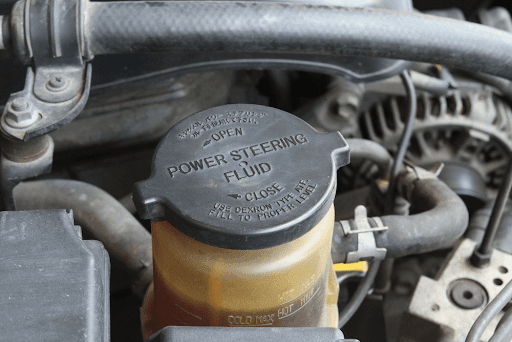
Image Source: littlewolfauto.com
Why Power Steering Fluid Compatibility Matters
Your power steering system relies on specific fluid properties to function correctly. These fluids are not just generic lubricants; they are carefully formulated with additives designed for particular applications and materials within the power steering system.
The Complex Chemistry of Power Steering Fluids
Power steering fluids consist of base oils and additives that provide specific functions:
- Lubrication: Reduces friction between moving parts.
- Corrosion Inhibition: Prevents rust and corrosion within the system.
- Seal Conditioning: Keeps rubber seals pliable and prevents leaks.
- Viscosity Control: Maintains proper fluid thickness over a range of temperatures.
- Foam Resistance: Prevents air bubbles from forming, which can reduce efficiency.
Power Steering Fluid Types
There are various types of power steering fluid, each designed for specific vehicle makes and models:
- Dexron/Mercon: Commonly used in older GM and Ford vehicles.
- Chrysler MS-5931: Specific to Chrysler vehicles.
- Honda/Acura PSF: Unique formulation for Honda and Acura vehicles.
- Synthetic Power Steering Fluids: Offer enhanced performance and durability, often compatible with a range of vehicles.
- Mineral Oil Based Power Steering Fluids: Used in some European vehicles like BMW and Mercedes-Benz.
Power Steering Fluid Mixing Consequences
Mixing different power steering fluids can have several adverse effects on your vehicle’s system. Let’s examine some potential power steering fluid mixing consequences.
Power Steering Fluid Chemical Reactions
Different fluid types may contain incompatible additives. When mixed, these additives can react negatively, leading to:
- Sludge Formation: Additives can combine to form a thick, sticky substance that clogs the system.
- Seal Degradation: Incompatible chemicals can cause rubber seals to swell, shrink, or crack, leading to leaks.
- Reduced Lubricity: The mixture may not provide adequate lubrication, increasing wear and tear on power steering components.
Power Steering Fluid Damage from Mixing
The damage caused by mixing fluids can range from minor inconveniences to major component failures. Here’s what can happen:
- Pump Failure: The power steering pump is a critical component. Improper fluid can cause it to overheat, wear out prematurely, or even fail completely.
- Rack and Pinion Damage: The rack and pinion mechanism can suffer from increased friction and wear, leading to steering problems and costly repairs.
- Hose Deterioration: Hoses can become brittle and leak due to chemical incompatibility with the mixed fluid.
Decreased System Efficiency
Even if no immediate damage occurs, mixing fluids can still reduce the overall efficiency of your power steering system. This can manifest as:
- Noisy Steering: A whining or groaning sound when turning the wheel.
- Stiff Steering: Increased effort required to turn the wheel.
- Jerky Steering: Uneven or inconsistent steering response.
Is It Safe to Mix Power Steering Fluid Types?
The simple answer is no. While a small, accidental mix might not immediately destroy your system, it’s best to avoid mixing different power steering fluids whenever possible. The long-term risks outweigh any perceived convenience. Determining is it safe to mix power steering fluid types is a matter of mitigating potential damage.
How to Identify the Correct Power Steering Fluid
Using the correct power steering fluid is crucial. Here’s how to ensure you’re using the right one:
Consult Your Vehicle’s Owner’s Manual
The owner’s manual is the most reliable source of information about the recommended power steering fluid for your vehicle. It will specify the correct type and any specific requirements.
Check the Power Steering Reservoir Cap
Some vehicles have the fluid type printed directly on the power steering reservoir cap. This is a quick and easy way to identify the correct fluid.
Use an Online Fluid Compatibility Guide
Many auto parts stores and fluid manufacturers offer online compatibility guides. Simply enter your vehicle’s make, model, and year to find the recommended fluid.
When in Doubt, Ask a Professional
If you are unsure which fluid to use, consult a qualified mechanic or auto parts specialist. They can help you identify the correct fluid for your vehicle.
Power Steering Fluid Alternatives
While sticking to the manufacturer’s recommended fluid is always best, some power steering fluid alternatives may be considered in specific situations.
Synthetic Power Steering Fluids
Synthetic fluids often offer improved performance and may be compatible with a wider range of vehicles. However, always verify compatibility before using a synthetic fluid.
Universal Power Steering Fluids
Some “universal” power steering fluids claim to be compatible with most vehicles. While these may be suitable in certain situations, exercise caution and ensure the fluid meets your vehicle’s specific requirements.
What to Do If You Accidentally Mix Fluids
If you realize you’ve accidentally mixed power steering fluids, take the following steps immediately:
- Stop Driving: Avoid driving the vehicle if possible to prevent further damage.
- Flush the System: The best course of action is to perform a complete power steering fluid flush recommended. This involves draining all the old fluid and replacing it with the correct type.
- Inspect for Leaks: Check for any signs of leaks around the pump, rack and pinion, and hoses.
- Monitor Performance: After flushing the system, monitor the steering performance for any unusual noises, stiffness, or jerking.
Performing a Power Steering Fluid Flush
Flushing the power steering system is a relatively straightforward process, but it’s essential to do it correctly.
- Gather Supplies: You’ll need the correct type of power steering fluid, a turkey baster or fluid extractor, a container to collect the old fluid, and some clean rags.
- Locate the Reservoir: Find the power steering reservoir, usually located under the hood.
- Remove Old Fluid: Use the turkey baster or fluid extractor to remove as much of the old fluid from the reservoir as possible.
- Refill with New Fluid: Fill the reservoir with the new, correct power steering fluid.
- Cycle the System: With the engine off, turn the steering wheel lock-to-lock several times to circulate the new fluid through the system.
- Repeat: Repeat steps 3-5 several times until the fluid in the reservoir appears clean.
Power Steering Fluid Top Off With Different Type
Even power steering fluid top off with different type isn’t recommended. If you’re low on fluid and don’t have the correct type available, it’s better to use a compatible power steering fluid alternative temporarily or add the correct type as soon as possible. Adding a different type, even in small quantities, introduces the risk of power steering fluid cross contamination.
Preventing Future Mistakes
Here are some tips to avoid mixing power steering fluids in the future:
- Label Fluids Clearly: Clearly label all containers of power steering fluid with the vehicle make and model for which they are intended.
- Store Fluids Separately: Store different types of fluids in separate locations to prevent accidental mixing.
- Double-Check Before Adding: Always double-check the fluid type before adding it to your vehicle.
- Keep Records: Maintain a record of the fluids used in each of your vehicles.
Cost of Ignoring Fluid Compatibility
Ignoring power steering fluid compatibility can lead to costly repairs. Replacing a power steering pump, rack and pinion, or other components can easily cost hundreds or even thousands of dollars. Investing a little time and effort to ensure you’re using the correct fluid can save you a significant amount of money in the long run.
Summary
Mixing power steering fluids is generally not recommended due to the potential for chemical reactions, seal degradation, and component damage. Always use the fluid specified in your vehicle’s owner’s manual. If you accidentally mix fluids, flush the system immediately. By taking these precautions, you can avoid costly repairs and keep your power steering system functioning smoothly.
Frequently Asked Questions (FAQ)
Q: What happens if I mix power steering fluid?
A: Mixing different types of power steering fluid can lead to chemical reactions, sludge formation, seal damage, and reduced system efficiency. This can result in noisy steering, stiff steering, or even component failure.
Q: Can I use universal power steering fluid?
A: While some universal fluids claim to be compatible with most vehicles, it’s best to use the fluid specified in your owner’s manual. If using a universal fluid, verify that it meets your vehicle’s specific requirements.
Q: How do I know what kind of power steering fluid to use?
A: Consult your vehicle’s owner’s manual, check the power steering reservoir cap, use an online fluid compatibility guide, or ask a qualified mechanic or auto parts specialist.
Q: What should I do if I accidentally put the wrong power steering fluid in my car?
A: Stop driving the vehicle, flush the power steering system completely, and refill it with the correct fluid. Monitor the system for any signs of leaks or performance issues.
Q: Is synthetic power steering fluid better than conventional fluid?
A: Synthetic fluids often offer improved performance and durability, but they may not be compatible with all vehicles. Always verify compatibility before using a synthetic fluid.
Q: Can I mix power steering fluid with brake fluid?
A: No, never mix power steering fluid with brake fluid. These fluids have completely different formulations and mixing them can cause severe damage to both systems.
Q: How often should I change my power steering fluid?
When it comes to refreshing your power steering fluid, the ideal timing isn’t one-size-fits-all. Your vehicle’s manual holds the definitive answer, but as a general guideline, consider a fluid change around the 30,000-mile mark or roughly every couple of years to keep your steering system humming smoothly.

Hi, I’m Sean Kernan, the voice behind esteeringwheel.com.. With a passion for all things automotive, I created this platform to share my journey, insights, and expertise about cars. From the latest tech to timeless driving tips, my goal is to help fellow enthusiasts and everyday drivers navigate the fascinating world of automobiles. Welcome to my corner of the road—let’s steer toward knowledge and discovery together!