Can I rebuild a power steering pump myself? Yes, you can rebuild a power steering pump yourself with the right tools, a power steering pump rebuild kit, and a bit of patience. This power steering pump repair guide will walk you through the power steering pump rebuild process. This DIY power steering pump overhaul can save you a lot of money compared to buying a new or remanufactured pump.
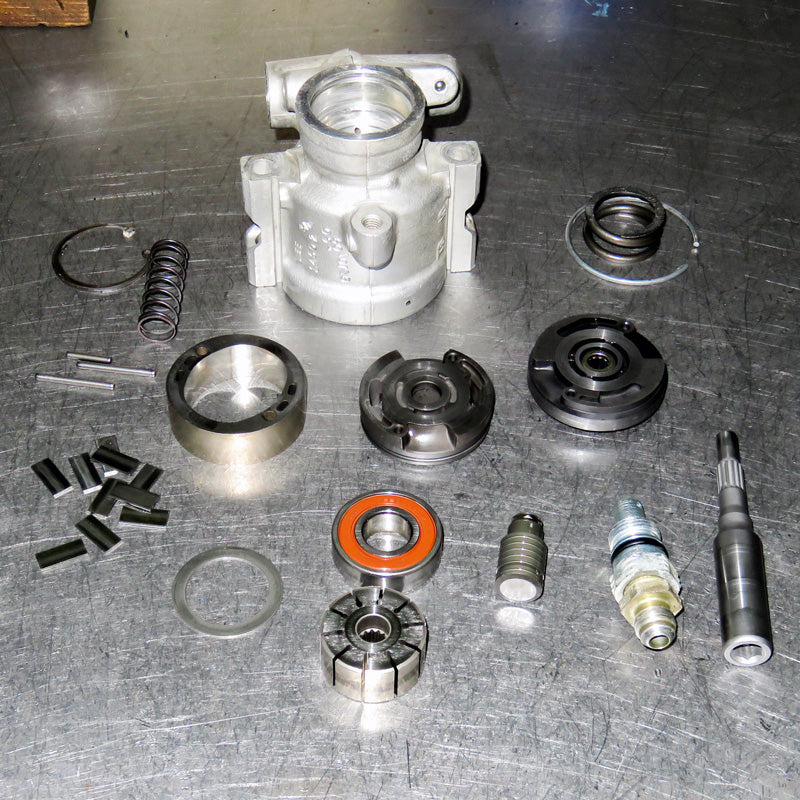
Image Source: leepowersteering.com
Is Your Power Steering Pump Failing? Identifying the Symptoms
Before diving into the steps to rebuild power steering pump, it’s crucial to confirm that the pump is indeed the culprit. Power steering pump troubleshooting is the first step. Here are some common signs of a failing power steering pump:
- Noisy Power Steering Pump: A whining or groaning sound, especially when turning the steering wheel, is a classic symptom. Fixing noisy power steering pump issues often involves a rebuild.
- Hard Steering: Difficulty turning the steering wheel, especially at low speeds.
- Jerky Steering: Intermittent loss of power assist.
- Fluid Leaks: Visible leaks around the pump body or reservoir. Low fluid levels can also indicate a leak.
- Foaming Fluid: Air in the system can cause the power steering fluid to foam.
If you experience one or more of these symptoms, rebuilding your power steering pump might be the solution.
Gathering Your Tools and Supplies: Preparing for the Rebuild
A successful power steering pump rebuild requires the right tools and supplies. Here’s a comprehensive list:
- Power Steering Pump Rebuild Kit: This kit typically includes all the necessary seals, O-rings, and gaskets. Make sure to get the correct kit for your specific pump model.
- Socket Set: A variety of metric or standard sockets, depending on your vehicle.
- Wrench Set: Open-end and box-end wrenches.
- Pliers: Including snap ring pliers (internal and external).
- Screwdrivers: Phillips and flathead screwdrivers.
- Torque Wrench: For tightening bolts to the correct specifications.
- Hammer: A rubber mallet or hammer with a block of wood to avoid damaging parts.
- Punch Set: For removing tight pins or bearings.
- Bearing Separator: For removing bearings if necessary.
- Hydraulic Press: May be needed for stubborn bearings.
- Power Steering Fluid: The correct type for your vehicle.
- Brake Cleaner: For cleaning parts.
- Shop Rags: Plenty of them.
- Safety Glasses: To protect your eyes.
- Gloves: To protect your hands.
- Drain Pan: To catch spilled fluid.
- Bench Vise: To hold the pump securely during disassembly and reassembly.
- Camera or Phone: To take pictures during disassembly, which will help with reassembly.
- Service Manual: For your specific vehicle or pump model.
Removing the Power Steering Pump: The First Step
Before you can begin the power steering pump rebuild process, you need to remove the pump from your vehicle.
- Disconnect the Battery: Disconnect the negative battery terminal to prevent electrical shorts.
- Locate the Pump: The power steering pump is usually located on the front of the engine, driven by a belt.
- Drain the Fluid: Place a drain pan under the pump. Disconnect the return hose from the pump reservoir and let the fluid drain. You may need to loosen a hose clamp.
- Disconnect the Pressure Hose: Disconnect the pressure hose from the pump. This hose is usually held in place with a banjo bolt or a threaded fitting. Have a rag ready to catch any remaining fluid.
- Remove the Drive Belt: Loosen the tensioner pulley and remove the drive belt from the power steering pump pulley.
- Remove the Pump Mounting Bolts: Remove the bolts that secure the pump to the engine.
- Remove the Pump: Carefully remove the pump from the engine compartment.
Disassembling the Power Steering Pump: A Step-by-Step Guide
With the pump removed, you can now begin the DIY power steering pump overhaul.
- Clean the Pump: Clean the exterior of the pump with brake cleaner to remove dirt and grease.
- Secure the Pump in a Vise: Secure the pump in a bench vise, being careful not to damage it. Use soft jaws if available.
- Remove the Pulley: Use a pulley puller to remove the pulley from the pump shaft.
- Remove the Reservoir: If your pump has an attached reservoir, remove it by unscrewing the bolts or removing the retaining clips.
- Remove the Rear Housing: Remove the bolts that hold the rear housing to the pump body.
- Separate the Housing: Carefully separate the rear housing from the pump body. You may need to use a rubber mallet to gently tap it loose.
- Remove the Internal Components: Carefully remove the internal components, such as the rotor, vanes, pressure plate, and flow control valve. Keep track of the order in which you remove them.
- Inspect the Components: Inspect all the components for wear or damage. Look for scoring, cracks, or excessive wear.
- Document: Use a camera or phone to take pictures of each step. This will greatly assist during reassembly. Lay out the components in the order you removed them.
Cleaning and Inspecting the Components: Identifying Problems
Thorough cleaning and inspection are essential for a successful power steering pump rebuild.
- Clean All Parts: Clean all the parts with brake cleaner. Use a brush to remove any stubborn dirt or deposits.
- Inspect the Housing: Check the pump housing for cracks or damage.
- Inspect the Rotor and Vanes: Look for wear or scoring on the rotor and vanes. The vanes should move freely in the rotor slots.
- Inspect the Pressure Plate: Check the pressure plate for wear or scoring.
- Inspect the Flow Control Valve: Disassemble the flow control valve and inspect the piston and bore for wear.
- Inspect the Shaft and Bearings: Check the pump shaft for wear or damage. Inspect the bearings for roughness or play.
- Replace Worn Parts: Replace any worn or damaged parts. This is where the power steering pump rebuild kit comes in handy.
- Note Any Issues: Make note of any specific problems you find. This will help you diagnose the cause of the pump failure and prevent it from happening again.
Reassembling the Power Steering Pump: Putting It Back Together
Now it’s time for the most important of the steps to rebuild power steering pump.
- Lubricate the Components: Lubricate all the components with fresh power steering fluid before reassembling them.
- Install the Internal Components: Install the internal components in the reverse order of disassembly. Refer to your photos and notes to ensure that everything is in the correct position.
- Install the Flow Control Valve: Reassemble and install the flow control valve.
- Install the Pressure Plate: Install the pressure plate.
- Install the Rotor and Vanes: Install the rotor and vanes. Make sure the vanes are oriented correctly.
- Install the Rear Housing: Install the rear housing and tighten the bolts to the correct torque specification. Use a new gasket from the power steering pump rebuild kit.
- Install the Reservoir: If your pump has an attached reservoir, install it using new O-rings.
- Install the Pulley: Use a pulley installation tool to install the pulley onto the pump shaft.
- Double-Check Your Work: Double-check that all the components are properly installed and that all the bolts are tightened to the correct torque.
Installing the Rebuilt Power Steering Pump: Back in the Vehicle
With the pump rebuilt, it’s time to install it back in your vehicle.
- Install the Pump: Install the pump onto the engine and secure it with the mounting bolts.
- Install the Drive Belt: Install the drive belt onto the power steering pump pulley and tension it correctly.
- Connect the Pressure Hose: Connect the pressure hose to the pump and tighten the fitting.
- Connect the Return Hose: Connect the return hose to the pump reservoir and secure it with a hose clamp.
- Fill the Reservoir: Fill the power steering reservoir with the correct type of fluid.
- Bleed the System: Bleed the power steering system by turning the steering wheel from lock to lock several times with the engine running. Check the fluid level and add more fluid as needed.
- Check for Leaks: Check for leaks around the pump and hoses.
- Test the Steering: Test the steering to make sure it is working properly.
Power Steering Pump Seal Replacement: A Key Component
Power steering pump seal replacement is a crucial part of the power steering pump rebuild process. Leaking seals are a common cause of pump failure. The power steering pump rebuild kit typically includes all the necessary seals. Make sure to replace all the seals during the rebuild. Key seals to replace include:
- Shaft Seal: Prevents fluid from leaking around the pump shaft.
- Reservoir Seals: Seals between the reservoir and the pump body.
- O-Rings: Seals used on hoses and fittings.
Proper seal replacement is essential for preventing leaks and ensuring the long-term reliability of your rebuilt power steering pump.
Power Steering Pump Maintenance: Extending Its Life
Regular power steering pump maintenance can help extend the life of your pump and prevent future problems.
- Check Fluid Level Regularly: Check the fluid level regularly and add fluid as needed.
- Use the Correct Fluid: Use the correct type of fluid for your vehicle.
- Flush the System: Flush the power steering system every few years to remove old fluid and contaminants.
- Inspect Hoses and Fittings: Inspect the hoses and fittings for leaks or damage.
- Avoid Turning the Wheel Hard Against the Stops: This can put excessive strain on the pump.
Power Steering Pump Troubleshooting: Common Issues and Solutions
Even after a rebuild, you might encounter some issues. Here’s a guide to power steering pump troubleshooting.
| Problem | Possible Cause | Solution |
|---|---|---|
| Noisy Pump | Air in the system, low fluid level, worn pump | Bleed the system, add fluid, rebuild or replace the pump |
| Hard Steering | Low fluid level, worn pump, restricted hoses | Add fluid, rebuild or replace the pump, replace hoses |
| Leaks | Worn seals, loose fittings, damaged hoses | Replace seals, tighten fittings, replace hoses |
| Jerky Steering | Air in the system, worn pump, damaged hoses | Bleed the system, rebuild or replace the pump, replace hoses |
| Foaming Fluid | Air in the system, contaminated fluid | Bleed the system, flush the system with fresh fluid |
| Pump Not Providing Boost | Worn internal components, clogged flow control valve | Rebuild or replace the pump, clean or replace the flow control valve |
Cost Savings: Rebuilding vs. Replacing
Rebuilding your power steering pump can save you a significant amount of money compared to buying a new or remanufactured pump. A power steering pump rebuild kit typically costs between \$20 and \$50, while a new or remanufactured pump can cost several hundred dollars. By doing the DIY power steering pump overhaul, you can save hundreds of dollars in parts and labor costs. Plus, you gain valuable experience and satisfaction from fixing your own vehicle.
Final Thoughts: Is Rebuilding Right for You?
Rebuilding a power steering pump is a challenging but rewarding task. It requires mechanical aptitude, patience, and the right tools. If you are comfortable working on your car and have the necessary skills, rebuilding your power steering pump can be a great way to save money and learn something new. However, if you are not comfortable with this type of repair, it is best to take your vehicle to a qualified mechanic.
Frequently Asked Questions (FAQ)
Q: How long does it take to rebuild a power steering pump?
A: It typically takes 3-5 hours to rebuild a power steering pump, depending on your experience and the complexity of the pump.
Q: What is included in a power steering pump rebuild kit?
A: A power steering pump rebuild kit typically includes all the necessary seals, O-rings, and gaskets. Some kits may also include new vanes, springs, and other small parts.
Q: Can I rebuild a power steering pump without special tools?
A: While some basic tools are required, some specialized tools like a pulley puller and bearing separator may be necessary depending on your pump type.
Q: How do I know if my power steering pump is bad?
A: Common signs of a bad power steering pump include noisy operation, hard steering, jerky steering, fluid leaks, and foaming fluid.
Q: What type of power steering fluid should I use?
A: Consult your vehicle’s owner’s manual or a trusted mechanic to determine the correct type of power steering fluid for your vehicle. Using the wrong fluid can damage the pump.
Q: Is it worth rebuilding a power steering pump?
A: It depends. If you have the skills and tools, rebuilding can save you money. If not, professional replacement may be a better option.
Tackle that power steering pump yourself with this step-by-step guide and pocket the savings on your next auto repair. Just remember to keep safety your top priority, and don’t hesitate to call in a pro if any part of the pump overhaul leaves you scratching your head.

Hi, I’m Sean Kernan, the voice behind esteeringwheel.com.. With a passion for all things automotive, I created this platform to share my journey, insights, and expertise about cars. From the latest tech to timeless driving tips, my goal is to help fellow enthusiasts and everyday drivers navigate the fascinating world of automobiles. Welcome to my corner of the road—let’s steer toward knowledge and discovery together!