Can you use hydraulic fluid as power steering fluid? The short answer is generally no. While both are hydraulic fluids, they have different properties and are designed for specific systems. Using the wrong fluid can damage your power steering system. This article will delve deeper into why you shouldn’t use hydraulic fluid as power steering fluid, the risks involved, and what alternatives you might have.
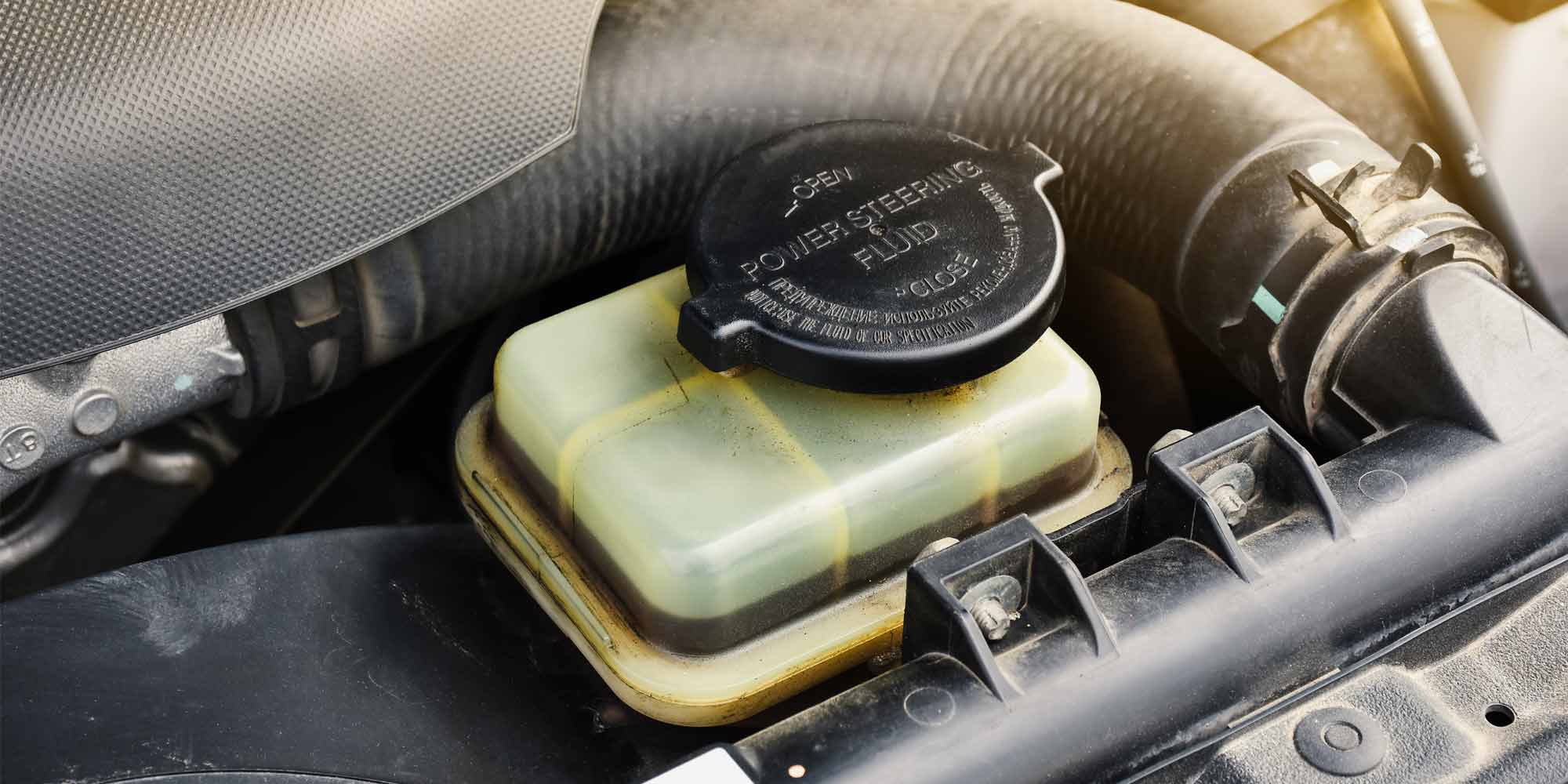
Image Source: images.contentstack.io
Fathoming Hydraulic Fluid and Power Steering Fluid
To really grasp why substituting hydraulic fluid for power steering fluid is a bad idea, it’s crucial to first comprehend what each fluid does and what distinguishes them.
What is Hydraulic Fluid?
Hydraulic fluid is a non-compressible fluid used to transfer power within hydraulic systems. These systems use confined fluid to transmit pressure, which then powers mechanical components. Hydraulic fluid can be found in a broad range of applications, like:
- Construction equipment (excavators, bulldozers)
- Industrial machinery (presses, lifts)
- Aircraft control systems
- Automotive braking systems
What is Power Steering Fluid?
Power steering fluid is a specialized type of hydraulic fluid designed specifically for power steering systems in vehicles. Power steering systems use hydraulic pressure to assist the driver in steering, making it easier to turn the wheel, especially at low speeds. Power steering fluid has a few critical jobs:
- Transmitting power: It moves the power from the pump to the steering gear.
- Lubrication: It keeps the moving parts of the power steering system sliding smoothly.
- Cooling: It carries heat away from the pump and other components.
- Protecting: It helps prevent rust and corrosion.
Key Distinctions: Hydraulic Fluid vs. Power Steering Fluid Compatibility
While both are hydraulic fluids, there are important differences that make them incompatible in many cases. These variations matter because using the wrong fluid can ruin your car’s steering.
| Feature | Hydraulic Fluid | Power Steering Fluid |
|---|---|---|
| Viscosity | Varies widely based on application | Specifically formulated for PS systems |
| Additives | Focused on anti-wear, rust prevention | Includes modifiers for smooth steering |
| Sealing Properties | May not be compatible with PS seals | Designed to work with PS system seals |
| Operating Temp | Varies based on application | Optimized for vehicle operating temps |
| Foam Resistance | Not always a priority | High priority to prevent cavitation |
Viscosity and Its Significance
Viscosity is how thick a fluid is. Hydraulic fluids can have a wide range of viscosities depending on their intended use. Power steering fluid, however, has a specific viscosity designed for the power steering system. A fluid that’s too thick or too thin can cause problems:
- Too thick: The pump has to work harder, leading to overheating and potential failure. Steering can feel stiff and unresponsive.
- Too thin: The system may not generate enough pressure, resulting in poor steering assist. Parts may wear out faster because the fluid doesn’t protect them well enough.
The Importance of Additives
Additives are chemicals added to fluids to improve their performance. Power steering fluid has additives designed to:
- Reduce friction: Helps with smooth steering feel.
- Prevent wear: Protects the pump and steering gear from damage.
- Inhibit rust and corrosion: Prevents damage to metal components.
- Condition seals: Keeps seals flexible and prevents leaks.
- Minimize foaming: Prevents air bubbles from forming in the fluid, which can reduce the system’s efficiency.
Hydraulic fluids have different additives suited to their purposes. These additives might not be compatible with the components in a power steering system and can cause damage over time.
Seal Compatibility: A Critical Factor
Seals in the power steering system are designed to work with specific fluids. Hydraulic fluids may contain additives that can degrade or damage these seals, leading to leaks. Power steering fluid is formulated to be compatible with the seals used in power steering systems, ensuring they remain pliable and effective.
The Dangers: Effects of Using Hydraulic Fluid Instead of Power Steering Fluid
Using hydraulic fluid as power steering fluid can lead to a variety of problems, some of which can be quite serious.
System Damage
The wrong fluid can damage the power steering pump, steering gear, and hoses. The additives in some hydraulic fluids may corrode or wear down internal parts. This can lead to costly repairs or even the need to replace the entire power steering system.
Reduced Steering Performance
Using a fluid with the wrong viscosity can make steering difficult. If the fluid is too thick, the steering wheel may be hard to turn, especially when the engine is cold. If the fluid is too thin, the steering may feel loose and unresponsive.
Leaks
Incompatible fluids can cause seals to swell, shrink, or crack, leading to leaks. Leaks not only reduce the effectiveness of the power steering system but can also cause environmental damage and create a safety hazard.
Noise
An improperly lubricated power steering system can become noisy. You may hear whining or groaning sounds coming from the pump, especially when turning the wheel. These noises are a sign that the system is not working correctly and may be damaged.
Premature Wear
Using the wrong fluid can accelerate wear on the power steering pump and other components. This can shorten the lifespan of the system and lead to premature failure.
What About Using Hydraulic Oil in Power Steering in Emergencies?
In an absolute emergency, using a small amount of the correct type of hydraulic fluid might get you home or to a repair shop. However, this should only be done as a temporary fix. As soon as possible, flush the system completely and refill it with the correct power steering fluid. Continually using hydraulic fluid as power steering fluid alternative will eventually cause issues.
Recognizing Symptoms: What to Look For
If you’re not sure what kind of fluid is in your power steering system, watch out for these signs:
- Dark or dirty fluid: Power steering fluid should be relatively clear and light in color. Dark or dirty fluid indicates contamination or degradation.
- Unusual noises: Whining, groaning, or squealing sounds from the power steering pump.
- Difficulty steering: Stiff or unresponsive steering, especially at low speeds.
- Leaks: Visible leaks around the power steering pump, steering gear, or hoses.
- Foaming fluid: Air bubbles in the power steering fluid reservoir.
Safety of Using Hydraulic Fluid in Power Steering
The safety of using hydraulic fluid in a power steering system is questionable at best. Because hydraulic fluid isn’t made for power steering systems, using it can have a negative impact on your safety and the safety of others. The damage the wrong fluid can do reduces the system’s capability and can be harmful.
Mixing Hydraulic Fluid and Power Steering Fluid
Never mix hydraulic fluid and power steering fluid. This can create a mixture that is even more damaging to the system than using either fluid alone. The incompatible additives can react with each other, forming sludge or causing corrosion.
The Right Choice: Power Steering Fluid Types
Choosing the right power steering fluid is essential for the health and longevity of your power steering system. There are several types of power steering fluid available, each with its own characteristics.
- Conventional Power Steering Fluid: This is the standard type of power steering fluid and is suitable for most older vehicles.
- Synthetic Power Steering Fluid: Synthetic fluids offer better performance than conventional fluids, especially in extreme temperatures. They also tend to last longer.
- ATF (Automatic Transmission Fluid): Some vehicles use ATF as power steering fluid. Check your owner’s manual to see if this is the case for your vehicle.
- Specific Blends: Some manufacturers recommend specific blends of power steering fluid for their vehicles. Always follow the manufacturer’s recommendations.
Always check your vehicle’s owner’s manual to determine the correct type of power steering fluid to use. Using the wrong fluid can void your warranty and cause damage to the system.
Steps to Take: Flushing and Replacing Power Steering Fluid
If you suspect that the wrong fluid has been used in your power steering system, it’s important to flush the system and replace the fluid with the correct type.
- Identify the correct fluid: Check your owner’s manual or consult with a mechanic to determine the correct type of power steering fluid for your vehicle.
- Gather your supplies: You will need the correct type of power steering fluid, a turkey baster or fluid extractor, a container to catch the old fluid, and some rags.
- Locate the power steering reservoir: This is usually a plastic container with a cap labeled “Power Steering Fluid.”
- Remove the old fluid: Use the turkey baster or fluid extractor to remove as much of the old fluid as possible from the reservoir.
- Refill with new fluid: Fill the reservoir with the new power steering fluid to the “full” line.
- Start the engine: Start the engine and let it run for a few minutes. Turn the steering wheel from lock to lock several times to circulate the new fluid through the system.
- Check the fluid level: Check the fluid level again and add more fluid if necessary.
- Repeat: Repeat steps 4-7 several times to ensure that the old fluid is completely flushed out of the system.
Power Steering System Hydraulic Oil: Maintaining Performance
Keeping the right power steering fluid in your system is just part of the maintenance needed to keep it working well. Routinely checking the fluid level and condition, inspecting the system for leaks, and following the manufacturer’s recommended service intervals can all help to keep your power steering system in good condition.
In Conclusion: A Clear Verdict
Think of hydraulic fluid and power steering fluid like cousins in the same family, but don’t confuse their roles. While they share a hydraulic heritage, power steering fluid is a specialized cousin, and substituting general hydraulic fluid into your power steering system is a recipe for disaster, inviting costly repairs, sluggish steering, unwelcome leaks, and a shortened lifespan for your components. Always adhere to your vehicle’s specific recommendation for power steering fluid – your owner’s manual or a trusted mechanic are your best guides to ensuring you’re using the right stuff.
Frequently Asked Questions (FAQ)
- Can I use universal power steering fluid?
- Universal power steering fluids are designed to be compatible with a wide range of vehicles. However, it’s always best to check your owner’s manual to ensure that the fluid meets the specifications for your vehicle.
- How often should I change my power steering fluid?
- Most manufacturers recommend changing power steering fluid every 30,000 to 60,000 miles. However, it’s best to check your owner’s manual for specific recommendations.
- What happens if I overfill the power steering reservoir?
- Overfilling the power steering reservoir can cause the fluid to foam and overflow, leading to leaks and potential damage to the system.
- Can I add power steering fluid to my brake fluid reservoir?
- No, never add power steering fluid to your brake fluid reservoir or vice versa. These fluids are not compatible and can cause serious damage to the braking or steering systems.
- Is it safe to drive with a power steering leak?
- Driving with a power steering leak can be dangerous, as it can reduce the effectiveness of the power steering system and make steering more difficult. It’s best to have the leak repaired as soon as possible.
- What does foamy power steering fluid mean?
- Foamy power steering fluid usually means air has gotten into the system. It can be caused by low fluid levels, leaks in the system, or a failing power steering pump.
- Where can I buy power steering fluid?
- Power steering fluid is readily available at most auto parts stores, repair shops, and some gas stations. You can also find it online through various retailers.

Hi, I’m Sean Kernan, the voice behind esteeringwheel.com.. With a passion for all things automotive, I created this platform to share my journey, insights, and expertise about cars. From the latest tech to timeless driving tips, my goal is to help fellow enthusiasts and everyday drivers navigate the fascinating world of automobiles. Welcome to my corner of the road—let’s steer toward knowledge and discovery together!