Power steering fluid usually operates between 150°F to 180°F (65°C to 82°C). This guide covers what causes overheating, how to diagnose it, and how to fix it. We will also look at the boiling point, when a cooler is needed, and how to find the right temperature range.
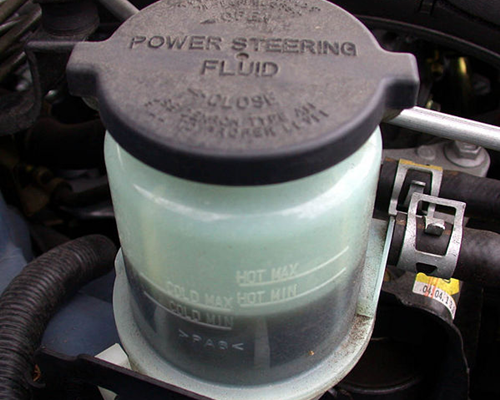
Image Source: mygarageairdrie.ca
Deciphering Power Steering Fluid Temperature
What is a safe temperature for your power steering fluid? Keeping the fluid in good shape is key to a long-lasting power steering system. When the fluid gets too hot, it can cause damage.
Normal Power Steering Fluid Temperature
The normal power steering fluid temperature range is usually between 150°F and 180°F (65°C and 82°C). However, this can change based on the car model, driving conditions, and how hard the system is working.
Acceptable Power Steering Fluid Temperature
An acceptable power steering fluid temperature is one that keeps the fluid’s qualities and allows the power steering system to work right. This means staying within the standard range mentioned above. But, short increases above this range might be okay, as long as the system can cool down quickly and the fluid is made for higher temperatures.
| Fluid Type | Normal Operating Temp (°F) | Maximum Safe Temp (°F) |
|---|---|---|
| Mineral Based | 150 – 180 | 200 |
| Synthetic | 150 – 180 | 250 |
What Happens When Power Steering Fluid Gets Too Hot?
Effects of high power steering fluid temperature can cause big problems. If the fluid gets too hot, it can break down, losing its ability to lubricate and protect the system’s parts. This can cause:
- Damage to the power steering pump
- Leaks
- Hard steering
- Complete system failure
What Makes Power Steering Fluid Overheat?
Overheating power steering fluid causes can be many. Knowing what makes the fluid overheat can help you avoid problems.
Common Causes of Power Steering Fluid Overheating
- Low Fluid Level: Not enough fluid can cause the pump to work harder and heat up.
- Contaminated Fluid: Old or dirty fluid doesn’t work as well and can cause heat.
- Hard Driving: Lots of turns and fast driving put more stress on the system.
- Faulty Power Steering Pump: A bad pump can create too much heat.
- Clogged Hoses or Lines: Blocked lines make the system work harder.
- Hot Weather: High temperatures can make the fluid hotter.
- Stuck Relief Valve: A valve that is stuck can cause higher pressure and heat.
Grasping the Power Steering Pump Heat
The power steering pump heat is a main source of heat in the system. The pump creates pressure to help you steer, and this process makes heat.
How the Pump Generates Heat
The pump creates heat because of:
- Friction: Parts rubbing together create heat.
- Pressure: Making high pressure causes heat.
- Fluid Movement: Pushing fluid through the system heats it up.
Is a Power Steering Fluid Cooler Needed?
Is a power steering fluid cooler needed? For many cars, the answer is no. But, for some cars, especially those used for racing or heavy work, a cooler is a good idea.
When a Cooler is Beneficial
A cooler is helpful when:
- You drive hard: Racing or off-roading puts extra stress on the system.
- You live in a hot area: High temperatures can overheat the fluid.
- Your car is heavy: Towing or carrying heavy loads makes the pump work harder.
Types of Power Steering Fluid Coolers
- Tube and Fin Coolers: Simple and cheap, they use fins to cool the fluid.
- Plate and Fin Coolers: More effective than tube and fin coolers, they have more surface area.
- Remote Coolers: Located away from the engine, they get more airflow.
Diagnosing Power Steering Fluid Overheating
Diagnosing power steering fluid overheating early can save you from big repairs. Look for these signs:
Signs of Overheating Power Steering Fluid
- Whining Noise: The pump might make a whining sound when the fluid is hot.
- Hard Steering: Steering might feel stiff or hard.
- Fluid Leaks: Overheated fluid can damage seals and cause leaks.
- Burnt Smell: The fluid might smell burnt.
- Dark or Thick Fluid: The fluid might look dark or thick.
How to Check Fluid Temperature
- Infrared Thermometer: Point the thermometer at the power steering reservoir to read the temperature.
- Scan Tool: Some scan tools can read the fluid temperature.
- Dipstick Thermometer: Some dipsticks have a thermometer built in.
Determining Maximum Power Steering Fluid Temperature
What is the maximum power steering fluid temperature? Going over this temperature can cause damage.
Defining the Upper Limit
The maximum safe temperature depends on the fluid type. Mineral-based fluids can handle up to 200°F (93°C), while synthetic fluids can handle up to 250°F (121°C). Going over these limits can damage the fluid and the system.
What to Do If the Temperature is Too High
If the temperature is too high:
- Stop Driving: Let the system cool down.
- Check Fluid Level: Add fluid if it’s low.
- Check for Leaks: Fix any leaks.
- Flush the System: Change the fluid to get rid of old or dirty fluid.
- Consider a Cooler: Add a cooler if the problem continues.
Solutions for Overheating Power Steering Fluid
Here are ways to fix overheating power steering fluid:
Simple Solutions
- Check Fluid Level: Keep the fluid at the right level.
- Flush the System: Change the fluid regularly.
- Use Synthetic Fluid: Synthetic fluid handles heat better.
Advanced Solutions
- Install a Cooler: Add a cooler to help cool the fluid.
- Replace the Pump: A bad pump can cause heat, so replace it if needed.
- Check Hoses and Lines: Make sure there are no blockages.
Maintaining Your Power Steering System
Here’s how to keep your power steering system working well:
Regular Checks and Maintenance
- Check Fluid Level: Check the fluid level every month.
- Inspect Hoses: Look for cracks or leaks.
- Flush the System: Change the fluid every 2 years or 30,000 miles.
- Listen for Noises: Pay attention to any unusual noises.
Choosing the Right Fluid
- Check Your Car’s Manual: Use the fluid type recommended by the car maker.
- Consider Synthetic Fluid: Synthetic fluid can handle heat better and last longer.
Real-World Examples
Here are some real-world examples of how overheating power steering fluid can be fixed:
- Truck Towing Heavy Loads: A truck used for towing often had overheating problems. Adding a power steering fluid cooler fixed the problem.
- Sports Car on the Track: A sports car used for racing had overheating issues. Switching to synthetic fluid and adding a cooler helped.
- Old Car with Leaks: An old car with leaks was overheating. Fixing the leaks and flushing the system solved the problem.
Conclusion
Your car’s power steering system thrives on optimal temperature; understanding its ideal range, pinpointing overheating culprits, and knowing how to tackle them ensures years of effortless steering. Consistent fluid checks, employing the correct fluid, and even considering a temperature-regulating cooler are your allies in this pursuit.
Frequently Asked Questions (FAQ)
What is the ideal power steering fluid temperature?
The ideal temperature is between 150°F and 180°F (65°C and 82°C).
Can I use any power steering fluid?
No, you should use the fluid type recommended by your car maker.
What happens if power steering fluid gets too hot?
It can break down, lose its ability to lubricate, and damage the system.
Who should install a power steering fluid cooler?
If you are not comfortable working on cars, a mechanic should install it.
What are the signs of a bad power steering pump?
Whining noise, hard steering, and leaks.
Can I add power steering fluid to my car?
Yes, if the fluid level is low, you can add fluid. Make sure to use the right type.
What does power steering fluid look like when it needs to be changed?
It may look dark, thick, or have a burnt smell.

Hi, I’m Sean Kernan, the voice behind esteeringwheel.com.. With a passion for all things automotive, I created this platform to share my journey, insights, and expertise about cars. From the latest tech to timeless driving tips, my goal is to help fellow enthusiasts and everyday drivers navigate the fascinating world of automobiles. Welcome to my corner of the road—let’s steer toward knowledge and discovery together!